Precision bakers
When you cream butter and sugar, the butter needs to be soft enough to work with, but with no melted patches. Cutting it into small pieces or flattening it can be an alternative if you’d rather avoid the microwave.


If you need butter for a cake made by creaming butter and sugar, cutting it into small pieces or flattening it is a cautious alternative to using a microwave: Land O’Lakes advises against softening baking butter in the microwave. If you also want to use the appliance for other tasks, look for low power settings and controls that make it easy to use short, supervised bursts. You’ll still need to check the consistency, as a particular butter texture isn’t guaranteed.
When you cream butter and sugar, the butter needs to be soft enough to work with, but with no melted patches. Cutting it into small pieces or flattening it can be an alternative if you’d rather avoid the microwave.
If you’re making several batches of dough in a row, you’ll want a repeatable process, suitable containers and an appliance that’s easy to clean between batches.
If you also want to use the microwave for reheating, defrosting or browning, choose extra features based on what you’re actually likely to use.
Low power settings and easy-to-reach time and stop controls are useful for repeated short bursts. You’ll still need to check the butter.
| Buying criterion | What to check | Who it matters most to |
|---|---|---|
| Soft butter, not melted | Look for a selectable low microwave power setting and controls that let you stop short bursts easily. | If you cream butter and sugar, the butter should stay soft enough to work with, rather than melting in places; around 36 % of consumers put controllable consistency first. |
| Several portions in a row | Check that your containers fit on the turntable and inside the cavity. Also consider how easy the controls are to use when checking the butter repeatedly. | If you’re preparing several batches of baking, you’ll need a manageable process for each portion; around 29 % of consumers say repeated batches are their top buying priority. |
| Space-saving, straightforward operation | Compare the external dimensions and installation options. Don’t choose a cavity based on its stated capacity in litres alone. | If you have limited worktop space and mainly want a straightforward microwave, choosing the right size is essential; around 21 % of consumers prioritise space and ease of use. |
| Extra cooking functions | Check whether you’ll actually use the grill or convection function, and how much worktop space the specific appliance needs. | If you want to use the microwave for more than just softening butter, extra functions may be useful; around 14 % of consumers put them first. |
When creaming butter and sugar, the butter needs to stay soft enough to work with. A microwave can heat different areas unevenly, causing some of the butter to melt.
Check whether you can select a low power setting, and check the butter after every short burst. If its texture is particularly important, consider cutting it into small pieces or flattening it rather than heating it in the microwave.
Partly melted butter may be unusable in a recipe that calls for butter and sugar to be creamed together.
The capacity in litres doesn’t tell you whether your container will fit on the turntable or have enough room inside the cavity.
Compare the height and diameter of your container with the interior and turntable dimensions listed for the exact model.
These functions are for other cooking methods and aren’t a proven advantage when softening baking butter.
Choose a combination microwave only if you’ll actually use its other heating functions, and check how much space it needs.
Extra functions may mean the appliance needs more worktop space, without improving the butter-softening process.
The FF020LMB2 is an example of a freestanding solo microwave with a 20 l cavity and rotary dials.
The NN-SD38 is an example of a 29 l solo inverter microwave.
The MOC20100WFB is an example of a freestanding solo microwave with a mechanical timer and a 20 l cavity.
The R-200WW specification sheet describes a compact solo microwave with mechanical controls.
The MH6535GIS combines a 25-l cavity with inverter technology and a grill function.
The following Joybuy options include solo and inverter microwaves, as well as combination models with a range of extra functions. Compare the features listed with your containers, available space and preferred controls.
 No image available
Adjustable power and rotary controls may suit anyone who wants to manage short bursts manually. You’ll still need to check the butter as you go.
19 l cavity, 700 W, six power levels and a turntable.
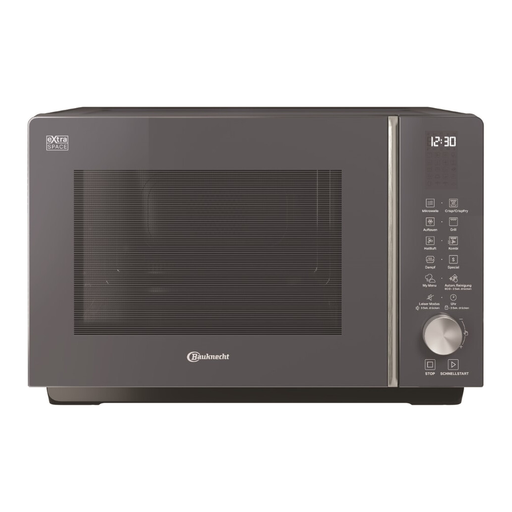 No image available
The product details list a butter-softening function. If you’re choosing it for this feature, check the instructions to see how the programme works and how to monitor the consistency.
25 l cavity; no turntable. The product name lists steam cooking, convection and grill functions.
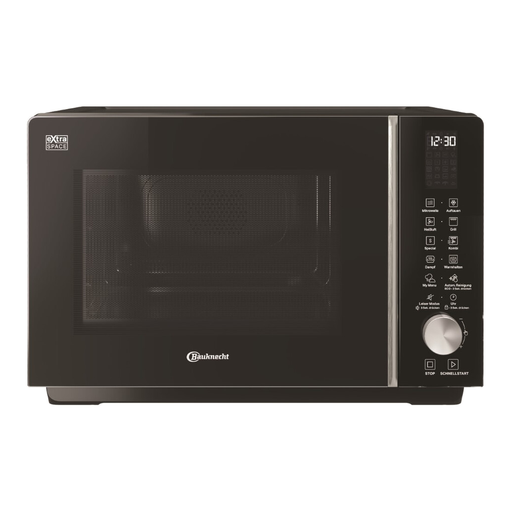 No image available
The product details list a butter-softening programme. Before using it, check the instructions to see how it works. A programme doesn’t replace checking the butter yourself.
25 l cavity; no turntable. The product name lists steam cooking, convection and grill functions.
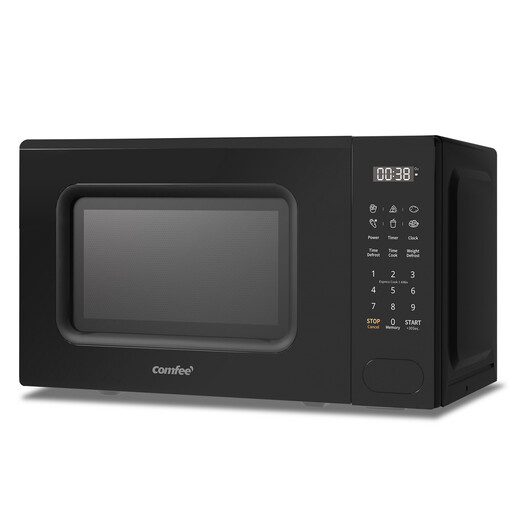 No image available
The product name lists eleven power levels and digital controls, which may suit anyone who wants to adjust the settings manually. Check the butter frequently, even at a low power setting.
20 l cavity and 700 W; defrost function.
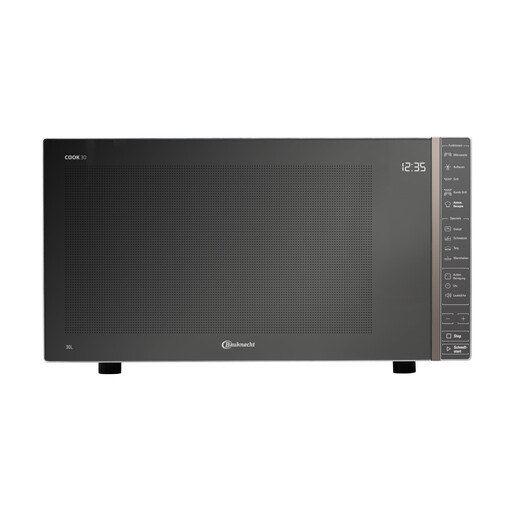 No image available
The product details list a butter-softening function. If you want to use it, check the programme description and monitor the consistency while it’s running.
30 l cavity and a turntable with a diameter of 31,5 cm. The product name lists grill and steam functions.
No. For cakes made by creaming butter and sugar, the butter should be soft but not melted. Land O’Lakes advises against softening it in the microwave for this purpose, and suggests cutting it into small pieces or flattening it instead. King Arthur Baking notes that butter that’s too soft won’t hold its shape and can affect the creaming process.
Use a microwave-safe container, a low setting and very short, supervised bursts. Check and turn the butter between bursts. Betty Crocker describes a method using 10–30 % power, with checks every five seconds. This timing won’t necessarily suit every portion size or appliance.
Before buying, compare the appliance’s dimensions with the space available and check that your containers will fit inside. Follow the instructions for positioning and cleaning the specific model. The Verbraucherzentrale recommends following the guidance for microwave-safe dishes and observing their stated temperature limits.
Claims relating to product defects are generally made against the seller. For ordinary consumer purchases, § 438 BGB usually provides for a two-year limitation period from delivery; this is separate from any voluntary manufacturer’s warranty. The specific claim depends on the individual circumstances.
For household microwaves covered by the EU Low Voltage Directive, the relevant conformity requirements and required CE marking apply. The Bundesnetzagentur also lists product identification, manufacturer details and German-language instructions among the points it checks during market surveillance. The CE mark alone doesn’t demonstrate that a product has been independently tested.