If you reheat individual portions of sweet potato
If the sweet potato is already cooked, a solo microwave may be all you need to reheat it. Choose a suitable dish and make sure the food heats evenly.


If you mainly want to reheat cooked sweet potatoes, a solo microwave is a straightforward choice. Just make sure your dish, the usable interior and the space available all work together. A grill or convection function may be useful if you regularly want to brown or bake food in the same spot. But extra functions also mean more space and cleaning to consider. The German Federal Institute for Risk Assessment (BfR) recommends heating food evenly when reheating it.
If the sweet potato is already cooked, a solo microwave may be all you need to reheat it. Choose a suitable dish and make sure the food heats evenly.
The appliance’s external dimensions, door clearance and space for your usual dish all need to fit the area available. Extra functions matter most if you’ll use them regularly for other tasks.
If you also want to brown or bake food in the same spot, a grill or convection function could be worth considering. Weigh this against the space required and the extra cleaning involved.
A good fit if: you mainly want to warm cooked sweet potatoes and don’t need an extra browning or baking function.
The trade-off: you won’t have other cooking methods to hand. Check the usable interior dimensions and your dish rather than relying on the litre capacity alone.
A good fit if: you occasionally want to brown food in your only cooking space.
The trade-off: a grill isn’t needed for simple reheating, and accessible surfaces may get hot when it’s in use.
A good fit if: you regularly want your cooking space to handle baking, grilling or steaming as well.
The trade-off: check the dimensions, accessories and cleaning requirements of the specific model. Extra functions aren’t an essential benefit if you only want to reheat food.
| Buying priority | What to check | Who is it important to? |
|---|---|---|
| Even reheating | Check the available power settings and choose a suitable dish. When reheating food, the BfR recommends a temperature of at least 70 °C for two minutes throughout, and even heating when using a microwave. | When I’m reheating a cooked sweet potato, I don’t want just the outside to be hot. Around 36% of consumers prioritise even reheating. |
| Fits your cooking space | Check the available worktop space, external dimensions, door clearance and room for your usual dish. Remember to consider the turntable or usable base area too. | If I only have one cooking space, the appliance and dish need to fit there in practice. Around 29% of consumers put a small footprint first. |
| Easy to use | Check whether it’s easy to set the power and time for your usual portions, and which automatic programmes you’d actually use. | If I mainly have one regular reheating task, I want to be able to choose the settings easily. Around 21% of consumers prefer a straightforward purchase and simple operation. |
| Additional cooking functions | Decide in advance which other dishes would need a grill or convection function, then check the dimensions, accessories and cleaning requirements of the specific model. | If I don’t have room for another oven, I want to be able to use my cooking space for other dishes too. Around 14% of consumers prioritise additional cooking functions. |
The litre capacity doesn’t tell you the appliance’s external dimensions or the size of its turntable or base. The appliance may be awkward to fit on your worktop or use with your usual dish.
Measure your available space and dish, then compare them with the model’s diagram and installation guidance.
These functions are designed for different tasks from reheating an already cooked sweet potato. Extra cooking options only make sense if you can and want to use them.
Before buying, list the dishes you’d need a grill or convection function for, then check the accessories, dimensions and cleaning requirements.
A high power rating on its own doesn’t prove that food will heat evenly throughout.
Follow the guidance on suitable dishes, choose an appropriate power setting, and stir or redistribute the food as it heats, where possible.
The NN-SD36 is a solo microwave with a larger interior, for those who don’t need a grill function.
The M 20 Cube Ceramic is a solo option with a flat interior base and no turntable.
The YC-MG01E-B combines a microwave with a grill function.
The MW 49 SL is a freestanding combination microwave with several cooking functions.
Samsung’s German product range includes solo, grill and convection combination microwaves.
These solo microwaves are worth considering for reheating cooked portions when you have just one cooking space.
 No image available
This solo microwave is designed for reheating portions that have already been cooked.
The product title lists inverter technology, defrost and reheat functions, a turntable and six power levels.
 No image available
This solo model may suit you if you want to reheat a cooked portion without an additional grill or convection function.
The product title lists six power levels, a defrost function, interior light, turntable and a 30-minute timer.
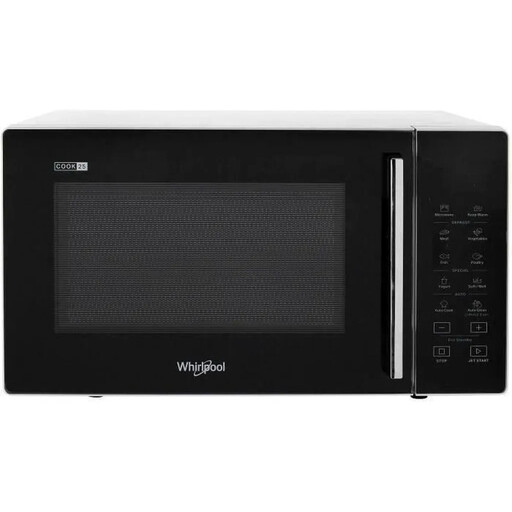 No image available
This freestanding solo microwave is designed for reheating food, without an additional grill or convection function.
The product title lists Jet Start and keep warm functions, as well as programmes for yoghurt and dough.
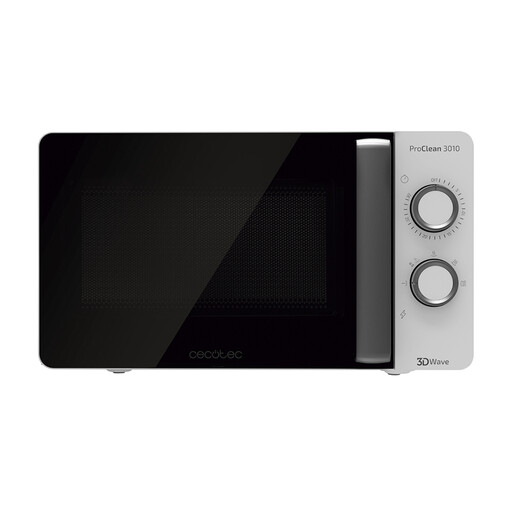 No image available
This solo microwave is an option if you want to reheat cooked food without using additional cooking functions.
The product title lists six power levels.
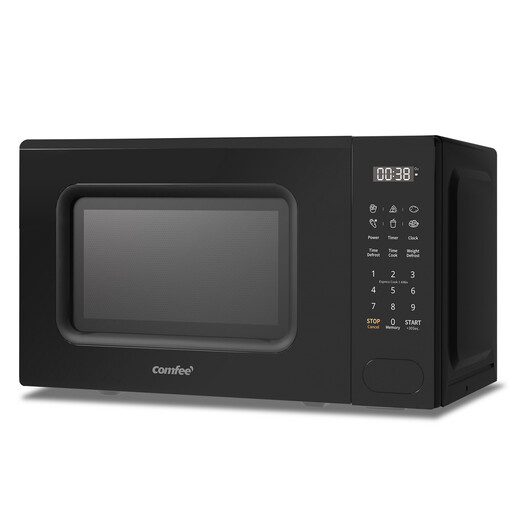 No image available
This solo microwave may suit you if you want to reheat leftovers and choose the power level to suit different portions.
The product title lists 11 power levels and six preset menus.
Use a suitable dish and make sure the centre heats evenly too. When reheating food, the German Federal Institute for Risk Assessment recommends a temperature of at least 70 °C for two minutes throughout. If using a microwave, stir the food during heating where possible. There isn’t one fixed time or power setting that works for every sweet potato.
Only if the usage instructions confirm that it’s suitable for microwave use at the power and temperature you’ve selected. The consumer advice centre points out that plastic containers have different temperature limits. Don’t continue using damaged dishes.
Compare the space available and your usual dish with the dimensions and installation guidance for the specific model. CASO says the M 20 Cube Ceramic has a flat base with no turntable. For a model with a turntable, check its diameter too. Follow the appliance instructions when cleaning it.
As the consumer advice centre explains, your statutory rights if a product is faulty are separate from any voluntary guarantee. Contact the relevant organisations for your purchase or area to find out about repairs and how to dispose of an old appliance.
The EU lists electrical and electronic equipment among the product groups covered by harmonised rules requiring CE marking. By applying the mark, the manufacturer declares, under its own responsibility, that the product complies with the applicable rules. Within its remit, the German Federal Network Agency checks matters including product marking, device identity and manufacturer information. A CE mark is not an independent endorsement of reheating performance.