
Lieferung heute & morgen

Qualitätsgarantie

Willkommens-Angebote freischalten: KOSTENLOSE Lieferung | Bis zu 80 % RABATT | Kostenlose 30-Tage-JoyPlus-Testphase
App herunterladen
The search for a durable and stylish Miele wooden play kitchen can quickly become overwhelming. The market is flooded with models, but not all of them live up to their promises. Many parents and grandparents invest in what seems to be a high-quality toy, only to find it can't withstand the rigors of daily play. Before you make a decision, it's crucial to understand the common pitfalls that lead to disappointment and unnecessary expense.
Common Problems When Buying Play Kitchens:
To avoid these issues, you should base your purchasing decision on objective criteria.
To make an informed choice that guarantees years of fun, you should evaluate three key parameters. These features distinguish a short-lived toy from a value-retaining investment in your child's creativity.
The material is the heart of any wooden play kitchen. Look for clear information about the type of wood used. Solid wood is the most robust but also the most expensive option. High-quality MDF boards can be a good alternative, provided they are well-finished and sealed. Certification is a crucial quality indicator. FSC-certified wooden toys guarantee that the wood comes from responsibly managed forests. This not only contributes to sustainability but is also often an indicator of low-pollutant manufacturing, which is essential for toys for children ages 3 and up.
A play kitchen's longevity depends directly on its construction. A solid, screwed-together design with a sturdy back panel is crucial. Rounded edges minimise the risk of injury. A particularly practical feature is height adjustability. A height-adjustable play kitchen grows with your child and can be used at an ergonomically correct height for several years. This often justifies a slightly higher purchase price, as it significantly extends the product's lifespan.
A good play kitchen stimulates the imagination. A play kitchen with light and sound on the hobs or microwave provides a more realistic play experience and significantly increases its play value. Also, check what's included. A wooden play kitchen with accessories like pots, cooking utensils, and salt and pepper shakers allows for immediate fun without additional purchases. High-quality accessories made of wood or stainless steel are preferable to plastic parts, as they better match the tactile feel and durability of the wooden kitchen.
Based on these criteria, we have analysed various models that cater to different needs.

Why This Fits Their Persona: Ideal for parents who value durability, safety, and sustainable materials. This kitchen is a long-term investment that grows with the child and is made from certified materials.
Made from FSC-certified wood according to the manufacturer, which bypasses the material trap. The height-adjustable construction ensures a long lifespan and avoids the problem of an unstable kitchen that's quickly outgrown.
Hob with realistic light and sound effects. Includes high-quality stainless steel and wood accessories, which immediately increases its play value.
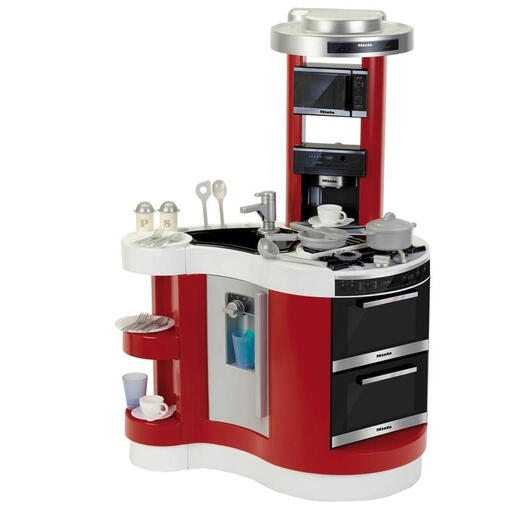
Why This Fits Their Persona: Perfect for those who want a maximum play experience with lots of features and accessories right from the start. The focus here is on interactive fun with numerous electronic elements.
This set bypasses the "hidden follow-up costs" trap with an extensive accessory package, including a complete Bosch breakfast set. The fun can begin immediately without any additional purchases.
Extensive electronic functions like a microwave and a gas hob with realistic cooking sounds. The spacious design offers plenty of room for creative play.
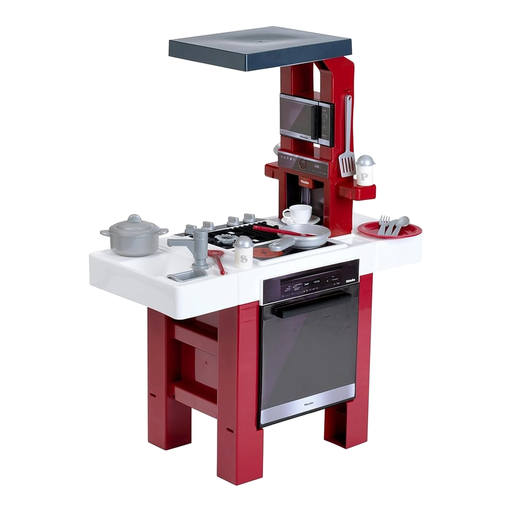
Why This Fits Their Persona: An excellent choice for families with limited space. This model offers many features in a compact footprint and is playable from both sides, maximising its play value.
Although it's a plastic model, the brand quality of Theo Klein offers a more reliable construction than no-name products. Being playable from both sides prevents it from becoming boring quickly.
Playable from both sides for maximum use of space. Integrated espresso machine with sound and a tap with a pump function for interactive fun.
We have compiled a complete, up-to-date list of products that fully meet these strict selection criteria and all relevant safety standards.
Most manufacturers, including Theo Klein, recommend their play kitchens for children ages 3 and up. This is because the play scenarios are appropriate for this age group, and children have the motor skills to handle the accessories. However, always pay attention to the manufacturer's specific warnings, as some models may contain small parts that pose a choking hazard for children under 36 months.
Assembling a wooden play kitchen typically takes some time and should be done by an adult. Depending on the model and its complexity, you should plan for 60 to 120 minutes. Careful assembly according to the instructions is crucial for the kitchen's stability and safety. All necessary screws are usually included; you will typically only need a screwdriver.
Yes, a play kitchen with light and sound requires batteries to operate the electronic modules. In most cases, these are standard AA or AAA batteries. The exact number and type are specified in the product description. Note that batteries are generally not included and must be purchased separately.