
Lieferung heute & morgen

Qualitätsgarantie

Willkommens-Angebote freischalten: KOSTENLOSE Lieferung | Bis zu 80 % RABATT | Kostenlose 30-Tage-JoyPlus-Testphase
App herunterladen
A Miele wooden play kitchen is high on many families' wish lists. It combines the demand for durable, sustainable toys with the trusted design of a premium brand. However, the market for children's kitchens is vast, and not every model that looks high-quality meets expectations in daily use. Before you make a decision, it's helpful to know the common pitfalls and understand which features truly matter.
As your Joybuy Product Recommendation Officer, I'll help you separate the relevant facts from marketing promises. This guide will show you how to make an informed choice that will bring joy to the playroom for years to come.
Disappointment often sets in when an expensive play kitchen shows defects after a short time. Pay special attention to these three points to avoid a poor purchase:
To ensure your investment is worthwhile, you should check three core parameters. These define the durability, safety, and play value of a wooden play kitchen.
The foundation of any good wooden play kitchen is the material. Look for models made from FSC-certified wood. This seal ensures that the wood comes from responsibly managed forests. The type of wood material is also crucial:
A play kitchen with lights and sound significantly enhances realism and fun. Glowing hobs and realistic cooking sounds make role-playing more vivid. Important aspects here are:
A height-adjustable play kitchen is one of the most sensible innovations in recent years. Adjustable feet or a modular system allow the worktop height to be adapted to the child's size. This ensures an ergonomically correct posture over several years and significantly extends the toy's lifespan. Models like those from Theo Klein in cooperation with Miele often offer this feature.
Not every family has the same needs. Here are three recommendations tailored to different profiles that meet the quality criteria mentioned.

Why This Fits Their Persona: Ideal for parents who value durability, brand quality (Miele design), and sustainable materials. An investment designed to last for several years and be passed down to siblings.
The height-adjustable design solves the problem of a kitchen becoming too small too quickly. The FSC-certified wood and sturdy build avoid the pitfall of wobbly furniture.
Hob with light and sound effects; includes high-quality stainless steel and wood accessories; grows with the child.
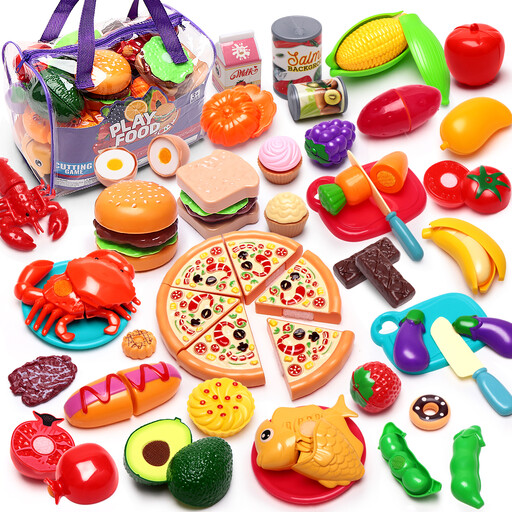
Why This Fits Their Persona: Perfect for families who already own a play kitchen and want to upgrade it with an extensive, interactive, and durable accessory set.
This set bypasses the trap of low-quality accessories by offering a wide variety of robust play food made from BPA-free plastic with a safe cutting function (Velcro).
Huge variety (78 pieces); realistic details and cutting function promote fine motor skills; includes a practical storage bag.
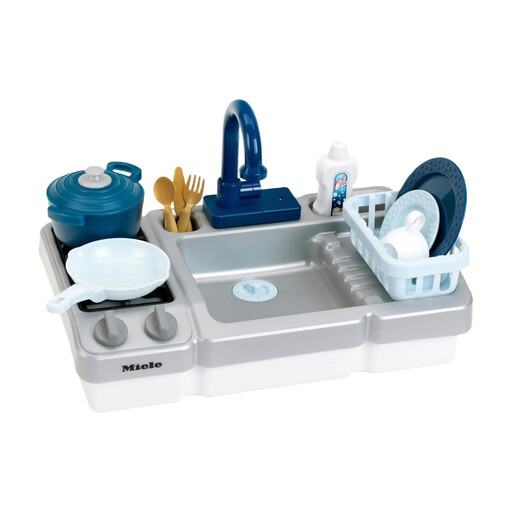
Why This Fits Their Persona: A compact solution for those who want to introduce kitchen role-play with a trusted brand and an exciting feature, without immediately investing in a large wooden kitchen.
As a focused, high-quality play unit, this product avoids the risk of buying a large but unstable kitchen. It offers a core function (washing up with real water) with a reliable mechanism.
Tap with a real pump function for extra realistic fun; authentic Miele design; accessories like dishes and a pot are already included.
A great kitchen needs great ingredients. Discover our range of durable and safe play food to complete the cooking experience.
Most manufacturers, including Theo Klein for the Miele models, recommend an age of 3 years and up. This is because the sets often contain small parts that could pose a choking hazard for younger children. A height-adjustable play kitchen is particularly advantageous as it grows with the child, providing an ergonomically suitable play environment from age 3 to about 6 or 7. Regardless of age, play, especially with water functions, should always be supervised by an adult.
The assembly effort varies by model. A Miele wooden play kitchen is typically delivered as a kit and must be assembled by an adult. Reputable manufacturers include clear, illustrated instructions. Plan for about 30 to 90 minutes for assembly, depending on the kitchen's complexity. This is a one-time effort that lays the foundation for many years of stable play. Common tools like a screwdriver are usually required.
Yes, electronic functions like a hob with lights and sound or a coffee machine with sound effects require batteries. In most cases, these are standard AA or AAA batteries. They are usually not included in the package and must be purchased separately. You can find the exact requirements in the product description of the respective model. Battery replacement should also be done by an adult.