A headset is suitable when the main aim is to record the voice of the person telling the story, and the microphone connection and fit are right for your recording device and the length of the session. If you also need to capture questions and answers reliably, plan a separate microphone and recording channel for the second person. A boom microphone stays close to the mouth of the person wearing the headset. USB can make connection to a compatible computer simpler; analogue broadcast headsets may need suitable inputs and additional accessories.
Who is a headset microphone suitable for?
Family interviewers who need to capture two important voices
If you want to capture both the story and follow-up questions in one long take, plan for microphone inputs and recording channels for both people. Oral-History.Digital at Freie Universität Berlin emphasises giving priority to the story, while the Zoom P4 lets you adjust the levels of its microphone inputs separately.
People telling stories over long sessions
If you’ll be wearing the headset, check the fit, padding and boom position during a longer trial. Manufacturers’ information about headbands or padding is no substitute for checking how it fits you personally.
People using equipment they already own
If you want to keep using your computer, recorder or audio interface, test both the microphone and headphone signals all the way through to the saved recording. USB, TRRS and separate XLR or jack connections all need different signal paths.
What should you look for when choosing one?
USB headset connected to a computer
Suitable if: One person is recording on a computer and the specific USB version is compatible with its port.
Bear in mind: Features designed for calls don’t prove that a second person in the room will be picked up just as clearly. Jabra lists USB-A and USB-C versions of the Evolve2 40 SE.
Analogue headset with TRRS
Suitable if: The recording device has a compatible combined microphone and headphone connection, and the person wearing the headset wants to monitor the audio.
Bear in mind: RØDE requires the supplied TRRS cable for the microphone function of the NTH-100M. For an XLR microphone input, RØDE says you’ll need a suitable adapter with the right power supply.
Broadcast headset with separate connections
Suitable if: Your recorder or interface has separate, compatible microphone and headphone inputs.
Bear in mind: The Audio-Technica BPHS1 uses XLR for the microphone and a 6.3 mm jack for the headphones. The Sennheiser HMD 26, item no. 700318, does not include a cable, according to the contents list.
| Need |
What to check before buying |
Who is it most relevant to? |
| Capture both voices in the conversation |
Record from both seats as a test; if needed, plan for two microphone inputs and separate channels. |
If I want the story and follow-up questions to be part of the family interview, I’d want to check both voices during a trial recording. Around 31% of consumers prioritise recording both people in the conversation. |
| Comfort during long takes |
Test the fit in the position you’ll be sitting in, including with glasses or a hearing aid, and check the position of the microphone boom. |
For a long story, I want to be able to wear the headset throughout without the boom shifting out of place. Around 25% of consumers prioritise a comfortable fit during long recordings. |
| Monitor the storyteller’s voice |
Record quiet and emphatic passages in the intended room, listen back to the saved file and check for clipping. |
If the story needs to be easy to follow later, I want to be able to assess quiet passages during the trial recording too. Around 25% of consumers put a clear, monitorable storytelling voice first. |
| Connection and signal path |
Check the microphone input, headphone output, required cable and, where necessary, adapter or power supply on the specific device. |
If you want to keep using a recording device you already own, check the whole signal path through to the saved file in advance. Around 19% of consumers put device compatibility first. |
Common mistakes during long recordings
-
Assuming one headset microphone will capture both voices without testing them
The microphone on a headset is positioned by the mouth of the person wearing it. If the questions matter too, you’ll need to record the second voice separately. Separate microphone inputs let you control each level independently.
Test both seats before the long conversation and listen back to the saved recording. If both voices matter, plan for two suitable recording channels.
-
Assuming noise cancelling means a noise-free recording
Microphone noise reduction and ANC for listening are different features. Neither tells you how much room echo there is or how clearly a second person’s voice will be captured.
Record in the room you’ll actually use and listen back to the file, rather than judging only how quiet it sounds under the ear cushions.
-
Assuming the plug guarantees full compatibility with your recording setup
USB, TRRS, and separate XLR and headphone connections carry the microphone signal in different ways.
Before buying, check the entire signal path from the headset to the saved file. Depending on the connection, you may need an interface, a specialist cable or an adapter. The Sennheiser HMD 26, item no. 700318, does not include a cable.
Relevant brands at a glance
Audio-Technica
Audio-Technica also describes the BPHS1 as a broadcast headset for interviews. It’s worth considering for recording devices with suitable separate inputs.
- According to the German product sheet, it has a dynamic cardioid microphone, a pivoting boom, and replaceable cable and padding.
- The supplied cable has a 3-pin XLR connection for the microphone and a 6.3 mm jack for the headphones, so a USB port alone won’t be suitable.
RØDE
The NTH-100M combines over-ear headphones with a detachable microphone for one person to wear, using an analogue recording connection.
- RØDE describes the headband and ear cushions as adjustable. The supplied TRRS cable is required for the microphone function.
- For an XLR microphone input, RØDE recommends a suitable adapter to provide power. The manufacturer’s guidance on wearing the headset is no substitute for checking your own fit.
Jabra
The Evolve2 40 SE is a range of USB headsets designed for calls, and may suit one person using a compatible computer.
- Jabra lists three microphones and passive noise isolation for listening. The manual includes USB-A and USB-C versions.
- Not every USB-C mobile device or app supports the audio connection. Being suitable for meetings doesn’t prove it will record both people in an interview well.
Logitech
The Zone Wired 2 is a wired USB headset with separately described headphone and microphone features.
- Logitech describes adaptive hybrid ANC for the headphones and noise reduction for the microphones.
- These manufacturer claims are no substitute for listening to a test recording of both voices in the room you’ll actually use for the interview.
Sennheiser
The HMD 26, item no. 700318, is a modular broadcast headset with a dynamic supercardioid microphone.
- Sennheiser lists soft ear cushions and a pivoting ear cup.
- Check that it fits you comfortably over a long period. The contents list for the model with this item number does not include a cable.
Headsets for one person telling a story
This Joybuy selection includes wired and wireless headsets with a microphone for one person to wear. If a second voice matters too, plan for a separate recording channel.
 No image available
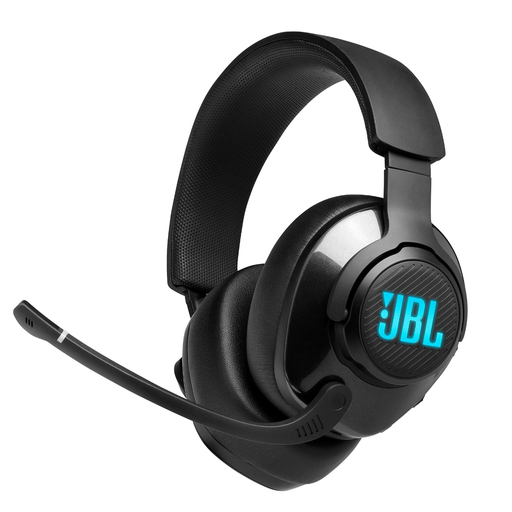
JBL Quantum 400 gaming headset
Could suit one person telling a story if its wired design is compatible with the recording device. A headset microphone won’t automatically pick up the person sitting opposite.
Wired over-ear headset; USB and 3.5 mm connection; flip-up microphone boom.
View at Joybuy
 No image available
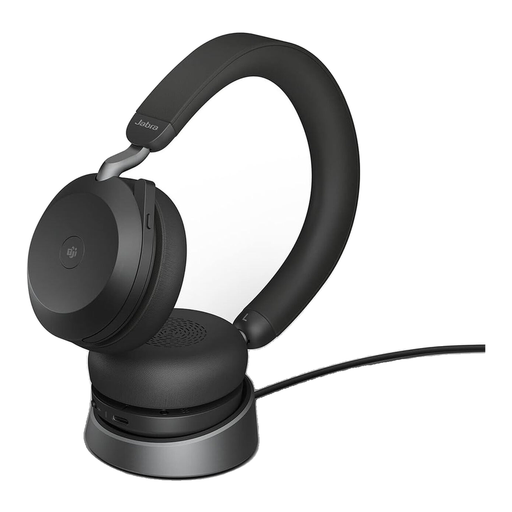
Jabra Evolve2 75 wireless PC headset with charging dock
Could suit one person using a computer if the wireless connection works with the planned recording setup. Being described as a PC headset doesn’t prove it will record the second person.
Wireless PC headset; USB-C Bluetooth adapter; charging dock; 8-microphone technology, according to the product name.
View at Joybuy
 No image available
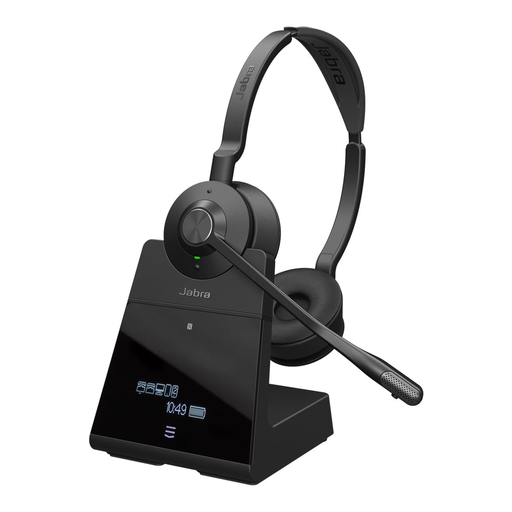
Jabra Engage 75 SE wireless stereo headset
Could suit one person recording a conversation wirelessly. Check the connection from the base and record a test with the second voice included.
DECT; USB-C to USB-A cable; stand and cable, according to the product name.
View at Joybuy
 No image available
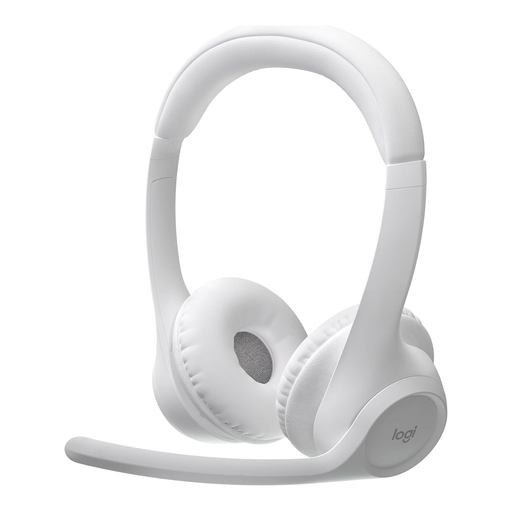
Logitech Zone 300 wireless Bluetooth headset
Could be a good fit if one person wears the headset and the computer or recording device supports Bluetooth as a microphone input. Check the saved recording before starting a long take.
Wireless Bluetooth headset; over-ear headphones; microphone with noise reduction, according to the product name.
View at Joybuy
 No image available
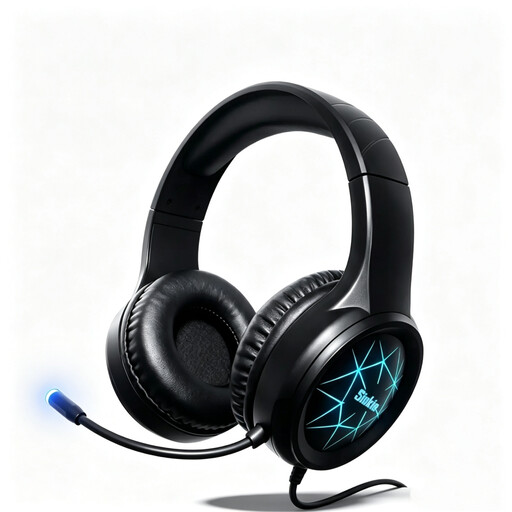
Siukie CH25 gaming headset
Could suit one person telling a story if its wired design is compatible with the device. Being described as a gaming headset doesn’t prove it will record well in an interview room.
Wired over-ear headset; USB and 3.5 mm connection; 50 mm drivers, according to the product name.
View at Joybuy
Frequently asked questions
Is one headset enough for a long conversation between two people?
Only if a test recording shows that all the voices you want are being picked up well enough. To control each voice separately, you’ll need suitable microphones and recording channels. A multichannel recorder can provide separate levels and files for each channel.
How should I prepare for a long take?
Choose a room with as little background noise as possible, set up the microphone and recording source, then listen back to a saved test recording with both quiet and loud passages. Keep an eye on the recording level while you record. A more comfortable headset won’t fix clipping.
What extra costs might there be?
Depending on the model and the equipment you already own, you may need an audio interface, a suitable cable or an adapter. The Audio-Technica BPHS1 has separate XLR and headphone connections. The Sennheiser HMD 26, item no. 700318, does not include a cable.
Can I record someone telling a personal story without asking, then publish it later?
In Germany, recording another person’s privately spoken words without authorisation is a criminal offence under § 201 StGB. Check that you have permission before recording. You should agree separately with the people involved before sharing or publishing the recording later; how data protection law applies depends on the specific use. The statutory provision is published on Laws on the Internet, a website run by the Federal Ministry of Justice and the Federal Office of Justice.


