
Lieferung heute & morgen

Qualitätsgarantie

Willkommens-Angebote freischalten: KOSTENLOSE Lieferung | Bis zu 80 % RABATT | Kostenlose 30-Tage-JoyPlus-Testphase
App herunterladen
The selection of milk alternatives on supermarket shelves is constantly growing. Whether for health reasons, lactose intolerance, a vegan lifestyle, or simple curiosity, more and more people are looking for a suitable alternative to conventional cow's milk. This article serves as your guide. It introduces different types of milk alternatives, offers practical tips for choosing the right one, and presents a selection of products that cater to various needs.
The right milk alternative depends on your individual preferences and requirements. The following points can help you make your choice.
The most common form is the ready-to-drink vegan milk substitute in a carton. However, there are other practical options:
It's always a good idea to look at the ingredients list and nutrition facts. Many plant-based drinks contain added sugar. If you want to avoid this, you should specifically look for sugar-free versions. For those completely replacing cow's milk, the protein, calcium, and vitamin content (like B12 and D) is also important, as these nutrients are naturally present in cow's milk. For lactose intolerance, lactose-free milk is a direct alternative; it is cow's milk in which the milk sugar (lactose) has already been broken down.
Not every milk alternative is equally suited for every purpose.
Here is a selection of products that represent different approaches and needs in the world of milk alternatives.

Why it stands out: This device combines high functionality with user-friendly operation. It's not just a nut milk maker but a multifunctional kitchen appliance with eight programs, including settings for soy milk, oat milk, juices, and even boiling water. The powerful 36,000 RPM motor and its innovative mixing column design finely grind ingredients, often eliminating the need for filtering.
Advantages:
Who it's for: For households and individuals who value fresh, homemade plant-based milk without additives and want full control over the ingredients. It's ideal for those who love to experiment and want to make various types like oat, soy, or nut milk.
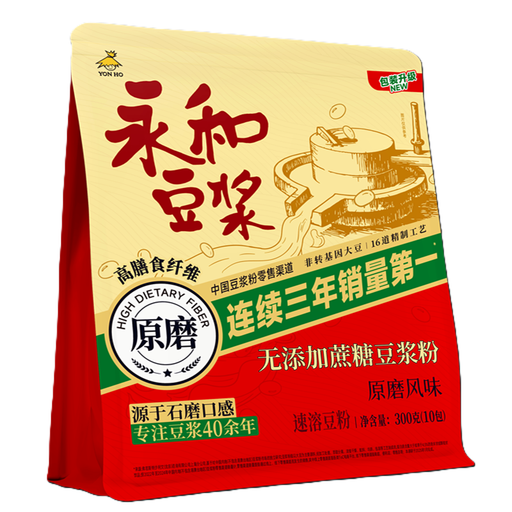
Why it stands out: This soy milk powder from the brand Yon Ho is a practical and shelf-stable alternative to liquid soy milk. Its key advantage is the absence of added sugar, making it an excellent choice for a sugar-conscious diet. With a soybean content of 58%, it also delivers a significant amount of plant-based protein.
Advantages:
Who it's for: For those looking for a sugar-free and high-protein soy milk option that is easy to store. It's practical for occasional use, for travel, or as an emergency supply in the pantry.
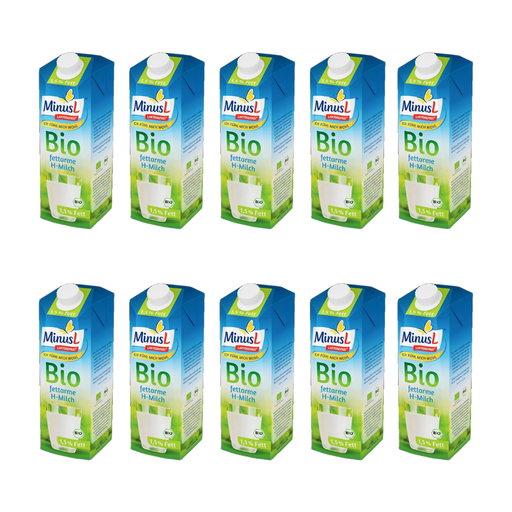
Why it stands out: For people with lactose intolerance who don't want to miss out on the taste and properties of cow's milk, Minus L's lactose-free milk is a direct solution. By adding the enzyme lactase, the milk sugar is broken down, making the milk digestible. Its organic quality and the convenient 10-pack value size make this product particularly appealing for families.
Advantages:
Who it's for: For individuals and families with lactose intolerance who are looking for a straightforward, shelf-stable, and familiar-tasting alternative to conventional milk.
The world of milk alternatives is diverse and offers a suitable solution for almost every taste and need. From rice and coconut to pea protein drinks, there is much more to discover.
? Explore our full range of dairy-free milk alternatives here
1. Which milk alternative tastes most like cow's milk?Lactose-free milk is, chemically, cow's milk where only the milk sugar has been broken down. Therefore, its taste is identical to that of conventional milk. Among purely plant-based options, unsweetened soy milk is often considered similar due to its creamy texture and relatively neutral flavour.
2. Can you froth any plant-based milk for coffee? The ability to froth depends heavily on the product's protein and fat content. Not every plant-based milk alternative creates a stable foam. Many manufacturers offer special "Barista Editions" with a formula optimized for use in coffee.
3. Is it cheaper to make your own oat milk? Making it at home with a nut milk maker can be more cost-effective, especially if you buy the main ingredient (like rolled oats) in bulk. The initial investment in the appliance should be taken into account. In the long run, however, making your own has the potential to save money while giving you full control over the quality.