
Lieferung heute & morgen

Qualitätsgarantie

Willkommens-Angebote freischalten: KOSTENLOSE Lieferung | Bis zu 80 % RABATT | Kostenlose 30-Tage-JoyPlus-Testphase
App herunterladen
Anyone looking to buy milk alternatives online will find a wide selection of oat drinks, soya drinks, almond-oat drinks and lactose-free milk. Product names often sound similar, but can differ considerably in terms of ingredients, nutritional values, allergens, pack sizes and intended use. If you simply choose the lowest price per item, you may end up with a variety that is not suitable for coffee, breakfast or everyday consumption.
A plant-based drink normally contains no dairy ingredients and is often vegan. Lactose-free milk, on the other hand, is made from cows’ milk and treated with lactase. It may be suitable for people with lactose intolerance, but it is neither vegan nor free from milk protein.
It is also worth checking the ingredients list for vegan products. Oat drinks, for example, often contain gluten-containing cereals. Soya drinks list soya as an allergen, while an almond-oat drink may contain nuts.
A barista oat drink is usually formulated so that it can be frothed. For lattes, cappuccinos or flat whites, details such as fat, protein, stabilisers and the recommended temperature are relevant. A standard oat drink may also work in coffee, but it may not produce the same foam structure.
If you mainly prepare muesli or smoothies, you may not need a special barista recipe. A smaller pack may be more practical for occasional use than a bulk pack.
A bulk pack of oat drink does not automatically reduce the overall cost. Before buying, households should check how many litres they actually use and how much storage space is available. Unopened long-life drinks can generally be stored at room temperature. Once opened, however, they must be refrigerated and consumed within a few days.
The ingredients list shows whether a product contains sugar, sweeteners, oils or added fibre. An oat drink may also contain calcium and vitamins B2, B12 and D2. These are specific declaration details, but they are not a general promise of quality.
Allergen information is particularly important:
If you have allergies or intolerances, always check the current labelling on the packaging.
For a meaningful comparison, look at the nutritional information per 100 millilitres. Depending on the variety, energy, fat, sugar, protein, fibre and salt levels can differ considerably. One example from the products available here: OATLY Oat Drink Barista Edition is listed as containing 61 kcal and 3.4 g of sugar per 100 ml, while Alpro Oat Drink Original contains 45.89 kcal and 3.3 g of sugar per 100 ml.
A vanilla or caramel flavour may contain more sugar than an unsweetened variety. Alpro Soya Drink Vanilla, for example, contains 6.8 g of sugar per 100 ml. For coffee, cereals and baking recipes, it is therefore worth considering whether a neutral or flavoured plant-based drink is the better choice.
An 8-pack of 1-litre cartons contains 8 litres, whereas an 8-pack of 500-ml cartons contains only 4 litres. The price per litre is therefore more informative than the total price.
We recommend this quick check before ordering:
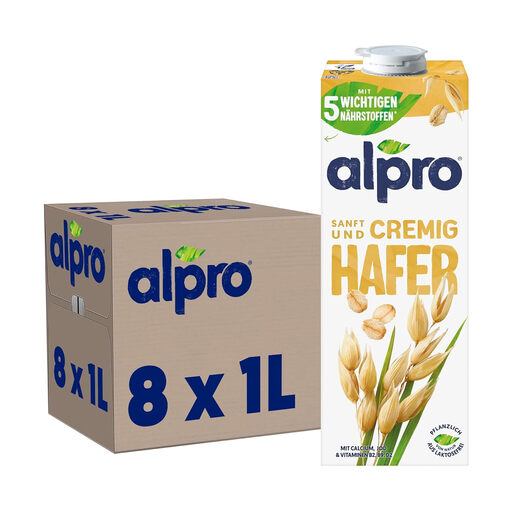
Why this product suits this profile: The 8-pack, with 1 litre in each carton, is suitable for households that regularly use a neutral oat drink for breakfast, beverages or simple recipes.
The clear quantity information prevents a smaller pack from being mistaken for a better deal because of its apparently lower total price. Ingredients and nutritional values are provided per 100 ml.
10% oat, 45.89 kcal per 100 ml, plus added calcium and vitamins B2, B12 and D2.
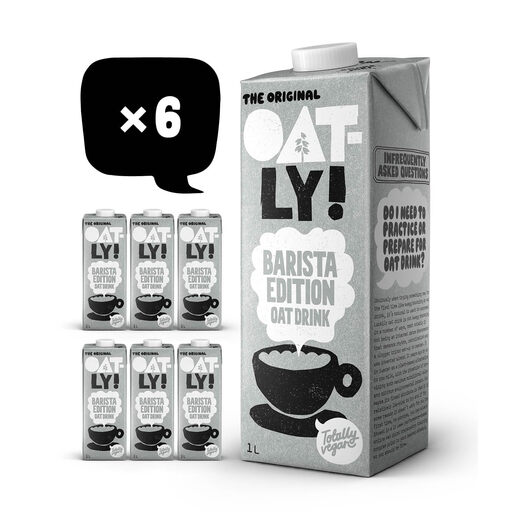
Why this product suits this profile: For coffee lovers who regularly prepare cappuccinos or lattes and are looking for a vegan milk alternative specifically designed for frothing.
The barista version is clearly identified as suitable for coffee applications. This helps prevent a standard drink from being chosen by mistake for frequent frothing.
Vegan and lactose-free; according to the product information, 120 mg of calcium per 100 ml and 10% oat.
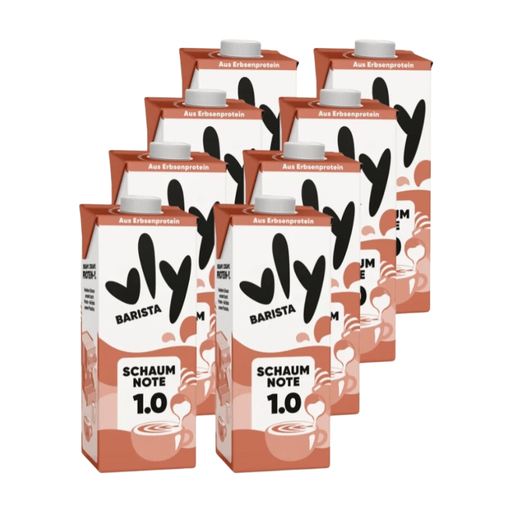
Why this product suits this profile: Suitable for households that prepare several coffee drinks every day, as well as for people looking for a plant-based recipe that is free from soya, gluten and nuts.
The product information clearly lists the relevant exclusions. It also states a sugar content of 1.4 g per 100 ml.
2.0 g of protein and 120 mg of calcium per 100 ml; the pack contains 8 litres.
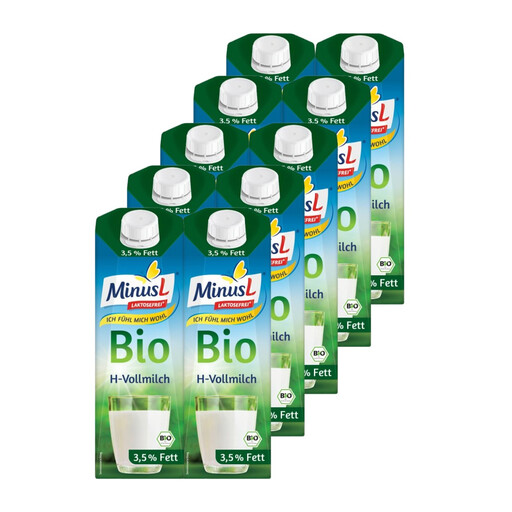
Why this product suits this profile: An option for people who prefer lactose-free cows’ milk for coffee, cereals or drinking on its own.
The lactose-free label is not confused with vegan: the ingredients list states milk and lactase.
10 × 1 litre, 3.5% fat and 3.3 g of protein per 100 ml; can be stored without refrigeration while unopened.
We have put together a complete, regularly updated list of products that fully meet these strict selection criteria and the safety regulations applicable in the EU.
For cappuccinos, lattes and flat whites, products explicitly labelled as barista drinks are an obvious choice. Examples include Oatly Barista Edition, Alpro Barista Oat Drink and Vly No Milk Today Barista. However, personal taste preferences and the desired amount of foam are also important. For black coffee or a small splash in filter coffee, a standard plant-based drink is often sufficient.
According to the product information, unopened long-life drinks can generally be stored outside the fridge. The specific best-before date is shown on the packaging. Once opened, the products must be refrigerated and consumed within the stated period. For the products mentioned, this is often around five days; the information on the individual packaging always takes precedence.
This can only be assessed by looking at the price per litre and the actual amount consumed. A bulk pack containing 8 or 10 litres can be practical for families, offices and frequent users. For individuals with low consumption, a smaller pack may be more economical if it means less product is left open in the fridge for a long time.