
Lieferung heute & morgen

Qualitätsgarantie

Willkommens-Angebote freischalten: KOSTENLOSE Lieferung | Bis zu 80 % RABATT | Kostenlose 30-Tage-JoyPlus-Testphase
App herunterladen
The desire for a perfect cappuccino or latte macchiato in the comfort of your own home leads many coffee lovers to buy a milk frother. But the market is overwhelming, and not every device delivers on its promises. Before you make a decision, it's crucial to understand the common pitfalls that often lead to disappointment and unnecessary expense.
As your Joybuy Product Recommendation Officer, I'll help you separate marketing hype from reality. We will focus on the objective features that truly matter.
The 3 Most Common Mistakes When Buying a Milk Frother:
To avoid a bad purchase, you should focus on three core aspects: the material, the device type, and functional design details. These parameters determine durability, ease of use, and the quality of the milk foam.
The material has a direct impact on durability, heat transfer, and cleaning.
The choice of type depends on your existing coffee setup and your personal preferences.
Here are some models tailored to specific user profiles that meet the quality criteria mentioned.
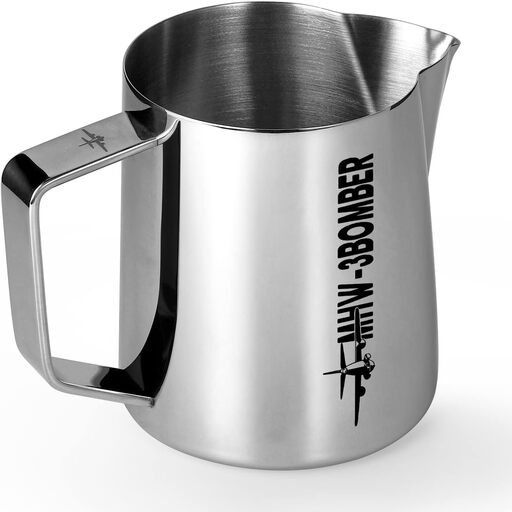
Why This Fits Their Persona: Ideal for users of a portafilter machine who want to perfect their latte art skills. The pitcher is specifically designed for precise pouring.
Made from high-quality 304 stainless steel, it prevents material fatigue and rust (Pitfall 1). As a purely mechanical tool, there are no electronics that could fail (Pitfall 3).
The patented spout allows for exceptionally precise control of the milk flow. The seamless construction makes cleaning easy.
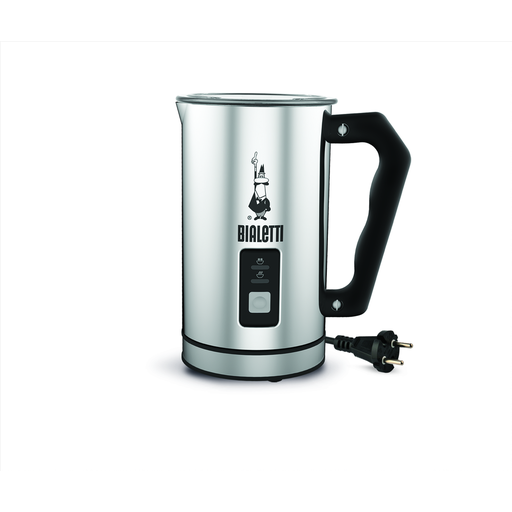
Why This Fits Their Persona: Perfect for anyone who wants creamy milk foam for their coffee quickly and effortlessly in the morning. The device handles frothing and heating fully automatically.
The non-stick coating inside the stainless steel container prevents milk from scorching and solves the cleaning problem (Pitfall 2). The Bialetti brand stands for reliable performance (avoids Pitfall 3).
Two functions (frothing and heating/mixing) in one compact device. The 500-watt motor ensures quick preparation.
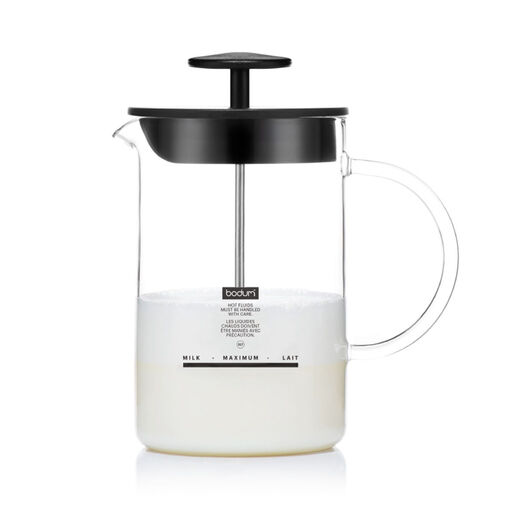
Why This Fits Their Persona: For coffee lovers who appreciate the preparation process and want to maintain full control over the foam's consistency. A classic and powerless tool.
The robust, simple mechanism is immune to technical wear and tear (Pitfall 3). The container made of borosilicate glass is durable, flavour-neutral, and easy to clean (avoids Pitfalls 1 and 2).
The glass container is microwave-safe, so cold milk can be frothed and then heated directly in the same vessel.
We have compiled a complete, up-to-date list of products that fully meet these strict selection criteria and all applicable safety regulations.
Ideally, cleaning should be done immediately after each use to prevent milk protein from drying on. Rinse the container and whisk with warm water and a little dish soap. On many electric models, the lid and whisk are removable and dishwasher-safe. However, the electric base must never be submerged in water. A stainless steel milk pitcher is generally fully dishwasher-safe.
Electric milk frothers typically produce a very fine, homogeneous, and stable foam that is well-suited for cappuccinos. Manual frothers allow for a wider range of textures. With a little practice, you can create a very dense, almost spoon-thick foam or a creamy, pourable microfoam for latte art. Here, the control lies entirely with the user.
Yes, most milk frothers also work with plant-based drinks. However, the result heavily depends on the type and brand. Oat and soy milks in "Barista Editions" generally deliver the most stable and creamiest results, as they often have a higher protein and fat content, as well as added stabilisers. Almond or rice milks often foam up less effectively. It's worth experimenting with different products here.