
Lieferung heute & morgen

Qualitätsgarantie

Willkommens-Angebote freischalten: KOSTENLOSE Lieferung | Bis zu 80 % RABATT | Kostenlose 30-Tage-JoyPlus-Testphase
App herunterladen
A milk frother can be an easy way to enhance cappuccino, latte macchiato or cold milk drinks. However, appliances differ considerably in terms of operation, heating, capacity and cleaning. If you focus only on advertised foam quality or a high wattage, it is easy to overlook important details.
Three common purchasing pitfalls occur particularly often:
An electric milk frother automatically stirs and heats the milk, depending on the model. This is convenient if you regularly prepare several cups or want a consistent temperature. Models with automatic shut-off reduce the effort required. Before buying, check whether the appliance produces only warm frothed milk or also has a cold function.
An automatic milk frother with several programmes can prepare warm milk, warm foam and cold foam. However, more functions usually also mean more components that need to be cleaned.
A manual milk frother works without electricity. With hob models, the milk is heated first and then frothed using a sieve insert. Glass models can hold cold milk and may sometimes be heated in the microwave, provided the plunger and all metal parts are removed first.
This option is suitable for travel, small kitchens or anyone who wants to control the temperature and consistency themselves. When buying, compatibility with your existing hob is crucial.
A cappuccino often requires less frothed milk than several latte macchiatos. A container holding around 250 to 330 ml may be sufficient for individual portions or several small cups. With electric appliances, the “MIN” and “MAX” markings must be observed. Too little liquid can cause malfunctions, while overfilling can make the milk overflow during frothing.
A stainless steel milk frother is resistant to temperature changes and, where indicated accordingly, is also suitable for induction hobs. Stainless steel is generally easy to wipe clean, and some products may be completely dishwasher-safe.
A non-stick coating can help prevent milk residue from sticking to the surface. It should be cleaned with soft sponges to avoid damaging the coating. Also check whether only the whisk and lid, or the container as well, can be placed in the dishwasher.
A milk frother with warm and cold functions is versatile enough for cappuccino, latte macchiato, iced coffee and desserts. If you only use warm milk, this additional function is not essential. For everyday use, a conveniently positioned start button, a stable base and a clear fill-level indicator are also important.
For appliances with a mains connection, check that they have the 220 to 240 V mains voltage suitable for Germany and follow the manufacturer’s safety instructions. The power cable, base and plug must not come into contact with water.
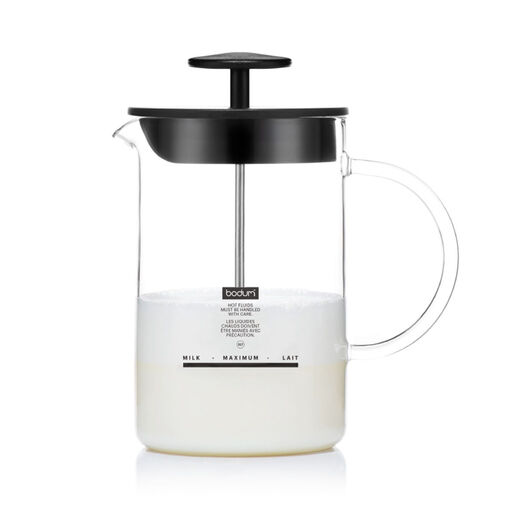
Why this product suits this profile: The manual glass container requires no electricity and has a capacity of 250 ml. According to the product description, the borosilicate glass can be used in the microwave once the plunger has been removed.
Manual operation avoids unnecessary electronics. At the same time, it is clear that the milk is heated separately and that this should not be confused with an automatic warming function.
Electricity-free operation, heat-resistant borosilicate glass and an ergonomic handle. The capacity is 250 ml.
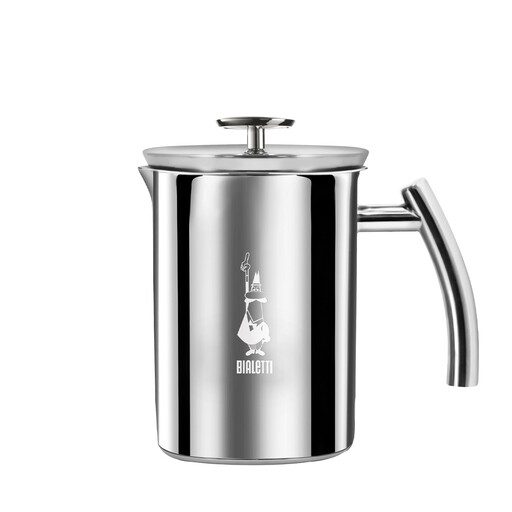
Why this product suits this profile: The manual Bialetti milk frother is made from stainless steel, holds 330 ml and, according to the product details, is suitable for induction and other types of hob.
Its stated induction compatibility helps prevent a common purchasing mistake. The product is also explicitly described as dishwasher-safe.
Stainless steel construction, manual operation, 330 ml capacity and suitability for induction hobs.
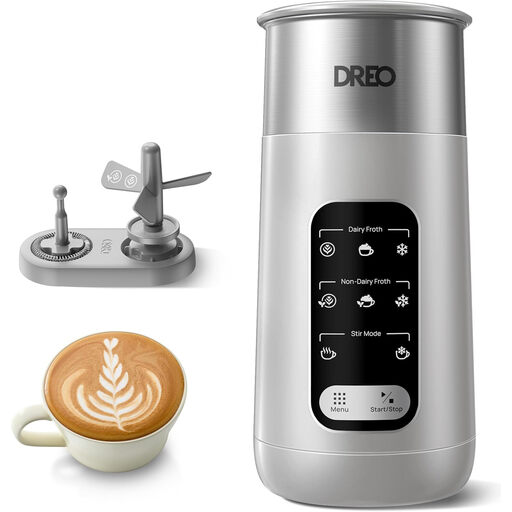
Why this product suits this profile: The electric stainless steel appliance has a capacity of 270 ml, several programmes and adjustable foam and temperature settings for milk and plant-based alternatives.
The fill-level markings and automatic shut-off help prevent overfilling or dry operation. The base must still be kept out of the dishwasher.
Eight programmes, warm and cold frothing, temperature control and removable dishwasher-safe parts, according to the product details.
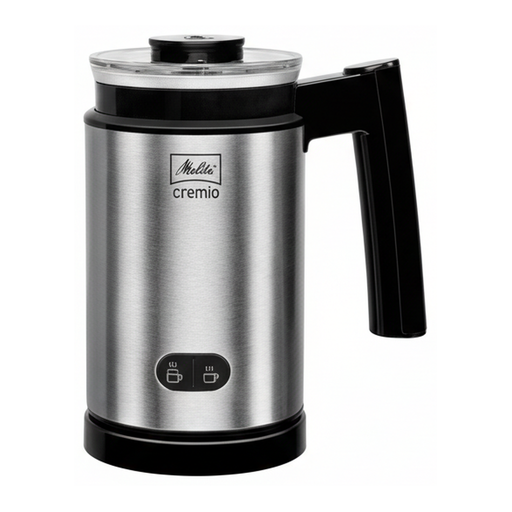
Why this product suits this profile: The 450-watt appliance offers functions for warm and cold frothed milk, a 250 ml container capacity and a 360-degree base station.
The functions are listed separately instead of using a general power rating as evidence of suitability for every application. The whisk and lid are dishwasher-safe according to the product description.
Warm and cold functions, non-stick container, automatic shut-off and removable dishwasher-safe parts.
We have put together a complete, regularly updated list of products that fully meet these strict selection criteria and the safety regulations applicable in the EU.
Milk residue should be removed immediately after use, as it becomes harder to remove once it dries. The following basic rules apply to electric milk frothers:
For a long service life, regular cleaning, using suitable quantities of milk and treating non-stick coatings carefully are more important than a high rated power output alone.
A model is only suitable for induction if this is expressly stated in the product description. Stainless steel models may be induction-compatible; aluminium containers without a suitable base generally are not. The Bialetti Stainless Steel Induction Milk Frother explicitly states that it is suitable for induction.
Always follow the markings inside the container. When frothing, the milk should not reach the top, as its volume increases when air is incorporated. The maximum amount for frothing may therefore be lower than the maximum quantity for heating milk alone.
For households that regularly enjoy cappuccino or latte macchiato, an electric appliance can reduce the amount of work involved. If you only need frothed milk occasionally or want to remain independent of a power socket, a manual milk frother may be a better choice. The key factors are the warm and cold functions, cleaning requirements, capacity and the type of hob you have.