
Lieferung heute & morgen

Qualitätsgarantie

Willkommens-Angebote freischalten: KOSTENLOSE Lieferung | Bis zu 80 % RABATT | Kostenlose 30-Tage-JoyPlus-Testphase
App herunterladen
A creamy cappuccino or a barista-quality latte macchiato—for many coffee lovers, it's the ideal start to the day. A coffee machine with a milk frother for your home promises this exact pleasure at the touch of a button. However, the market is overwhelming, and many devices don't live up to their advertising claims. Before you make a decision, it's crucial to understand the common pitfalls that often only become apparent after the purchase.
This guide will help you identify the key features and find a model that truly fits your needs.
Purchasing a new machine is an investment. It's all the more frustrating when the device disappoints in daily use. Pay close attention to these two points to avoid a poor investment:
Don't be dazzled by marketing jargon. The following three technical features are the primary determinants of your future machine's convenience, taste, and longevity.
The preparation of the milk foam is the heart of any cappuccino or latte macchiato machine. The systems differ fundamentally in operation and results:
With a bean-to-cup machine, the grinder and brew group are crucial for aroma and ease of maintenance:
Manufacturers often advertise high pump pressures of 15, 19, or even 20 bar. However, for preparing an authentic espresso, a pressure of around 9 bar directly at the brew group is ideal. An extremely high maximum pressure is not a standalone quality feature. More important is the machine's ability to maintain a constant pressure throughout the entire brewing process to ensure even extraction.
Depending on your standards, budget, and desired level of convenience, different types of machines are suitable. Here are three recommendations tailored to specific user profiles.
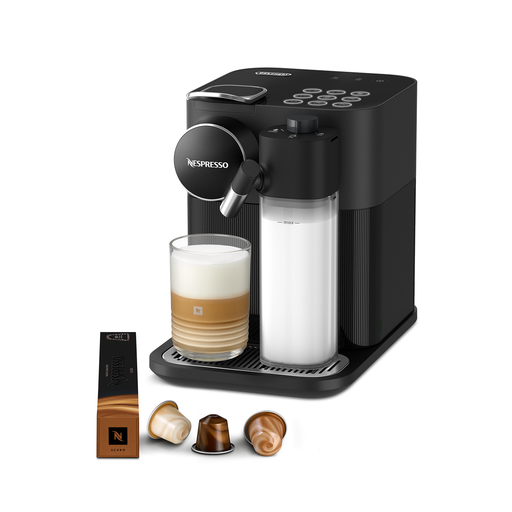
Why this model is a good fit: Ideal for users who want to enjoy a variety of coffee specialities without effort or prior knowledge. The one-touch operation delivers consistent results for espresso, cappuccino, and latte macchiato.
This model offers a true one-touch milk system with an integrated carafe, not just a manual steam wand. The semi-automatic rinsing system after each milk use minimises the cleaning effort.
Fast heat-up time (approx. 25 seconds) and a wide selection of milk-based drinks at the touch of a button. The milk carafe is detachable and dishwasher-safe.
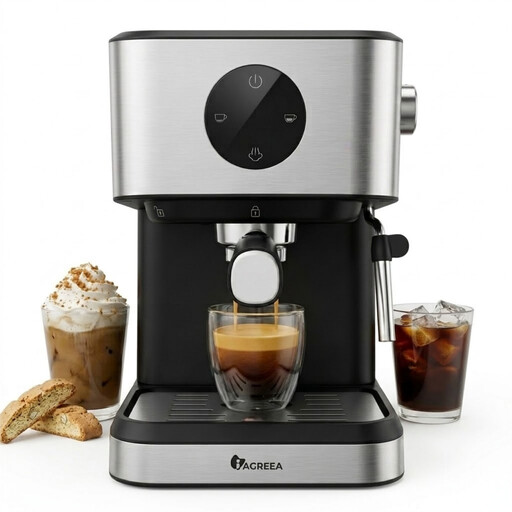
Why this model is a good fit: Perfect for coffee enthusiasts who want to take control of the brewing process and learn the art of milk frothing. This portafilter machine provides the necessary control for customised results.
The device is transparently positioned as a manual espresso machine. It doesn't create the false impression of one-touch convenience but is aimed squarely at users who appreciate a traditional preparation method.
The professional-grade steam wand allows for the creation of fine microfoam for latte art. Separate thermostats for coffee and steam ensure precise temperature control.
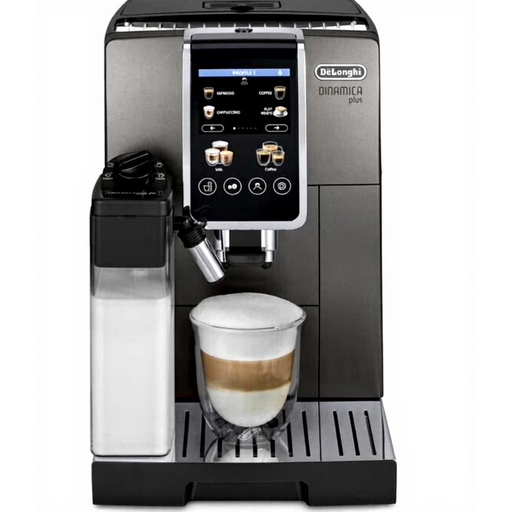
Why this model is a good fit: For households or offices where variety, quality, and convenience are in demand. This bean-to-cup machine offers a large selection of recipes from freshly ground beans and customisable user profiles.
The LatteCrema milk system is fully automatic and features an integrated cleaning function that is activated after each use. This directly solves the problem of high cleaning effort and hygiene.
Large 3.5-inch touch display for intuitive operation, 24 pre-programmed beverages, and up to 4 storable user profiles. The conical burr grinder has 13 adjustable settings.
We have compiled a complete, up-to-date list of products that fully meet these strict selection criteria and German safety regulations.
1. How often do I need to clean a coffee machine with a milk system? Ideally, milk-carrying parts should be cleaned after each use with the machine's automatic rinse program or manually with hot water. A more thorough cleaning of the entire milk system (e.g., disassembling the carafe) is recommended daily. The descaling program should be run every one to three months, depending on water hardness and frequency of use, as soon as the machine indicates it's necessary.
2. Bean-to-cup machine or portafilter machine—what is the right choice for me? That depends on your priorities. A bean-to-cup machine offers maximum convenience and a wide variety of beverages at the touch of a button. It's ideal for a quick coffee in the morning or for households with different preferences. A portafilter machine gives you full control over every step of the preparation process—from grinding to frothing. It is suitable for coffee lovers who appreciate the craft of coffee making and are willing to invest the time.
3. Is a separate electric milk frother a good alternative? Yes, an electric milk frother can be an excellent complement to an existing coffee machine without a milk function (e.g., a filter coffee machine or a basic espresso machine). Modern devices like the DREO 8-in-1 Milk Frother often offer various programs for hot and cold foam in different textures. They are typically very easy to clean, as the container is usually non-stick and dishwasher-safe. This can be a flexible and hygienic solution for perfect milk foam at home.