Cappuccino in a small space
If you usually make small servings, compare the footprint and frothing capacity. Philips lists a capacity of 120 ml for the Milk Twister CA6500/60, which F.A.Z. describes as compact in its review.


For one or two cappuccinos and limited worktop space, a compact automatic frother is a sensible place to start. Check its actual frothing capacity and how the jug can be cleaned. A manual frother avoids the need for an electric base, but requires some effort and, depending on the model, a suitable heat source. A larger induction frother may be a better choice if you often froth more milk or prefer a removable jug – just remember to allow for the extra space it takes up.
If you usually make small servings, compare the footprint and frothing capacity. Philips lists a capacity of 120 ml for the Milk Twister CA6500/60, which F.A.Z. describes as compact in its review.
If you use your frother regularly, consider which parts that come into contact with milk can be removed and how they can be cleaned. Severin says the jug of the SM 3579 is dishwasher-safe, while the stirring arm on the WMF Stelio is removable.
If you want to avoid an electric base or often froth larger servings or plant-based milk, check how much effort is involved, which heat sources are suitable and the frothing limit. Bialetti says the Cappuccinatore 0003990 is not suitable for induction; Severin notes that results with plant-based drinks also depend on the drink you use.
For cappuccino in a small kitchen, consider frothing capacity, cleaning and footprint together. A stated capacity for heating does not automatically tell you how much milk the frother can froth.
| What you need | What to check | Who it matters most to |
|---|---|---|
| Cappuccino in a small space | Compare the footprint, including the base, with the stated frothing capacity. | If you usually make small cappuccinos and want to keep your worktop clear, both factors matter. Around 36 % of consumers put cappuccino froth in a small space first. |
| Cleaning after use | Check the instructions for the exact model to see which parts are removable and dishwasher-safe. | If you use your frother regularly, you’ll want to remove milk residue without unnecessary cleaning steps. Around 29 % of consumers prioritise easy cleaning after frequent use. |
| Manual operation instead of a base | Check the model number and approved heat sources, and consider where you’ll store it. | If you don’t want another electrical appliance with a base on your worktop and don’t mind putting in some effort, a manual model could be right for you. Around 21 % of consumers prefer manual operation to an additional electrical appliance. |
| More servings or plant-based milk | Compare frothing capacity rather than heating capacity, and consider the drink you usually use. | If you need more froth per cycle or use a plant-based alternative, the actual frothing limit and the specific drink both matter. Around 14 % of consumers prioritise multiple servings or a plant-based milk alternative. |
Severin lists a capacity of up to 220 ml for frothing and up to 400 ml for heating for the SM 3579. The higher heating capacity is therefore not a measure of how much milk it can froth.
Compare the stated frothing capacity with the size of your usual cappuccino serving.
If the jug is not dishwasher-safe, you’ll need to wash it by hand.
Bialetti expressly states that the Cappuccinatore 0003990 is not suitable for induction. This applies to this model and not necessarily to other manual frothers.
Check the full model name and approved heat sources in the manufacturer’s instructions.
If you have an induction hob, you may need a separate pan to heat the milk.
The Milk Twister CA6500/60 is an automatic option for smaller cappuccino servings. F.A.Z. describes it as compact in its review and rates the froth highly.
The Spuma Lite SM 3579 is an induction model with a removable jug. Consider its dimensions and higher frothing capacity against the space you have available.
The Aeroccino3 and Aeroccino4 are automatic options for smaller servings of froth. Nespresso lists a frothing capacity of 120 ml for both models.
The Stelio is an automatic option for smaller servings of froth if having a removable stirring arm is important to you.
The manual Cappuccinatore 0003990 is an alternative if you’re happy to froth by hand and have a suitable heat source.
This selection includes electric milk frothers for cappuccino, from jug-style models to battery-powered handheld frothers.
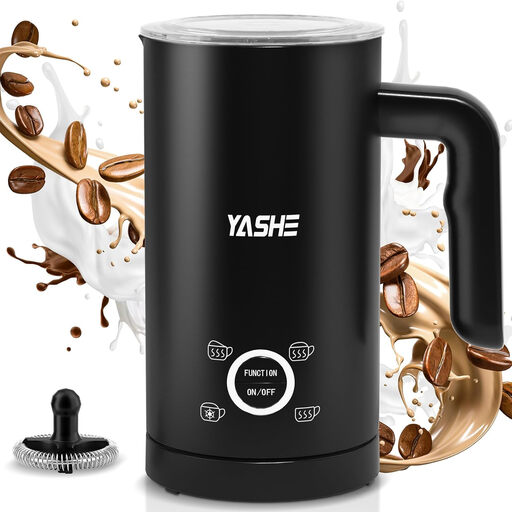 No image available
For cappuccino when you want to choose between hot and cold milk froth. The product name describes it as a 4-in-1 appliance with a capacity of 300 ml.
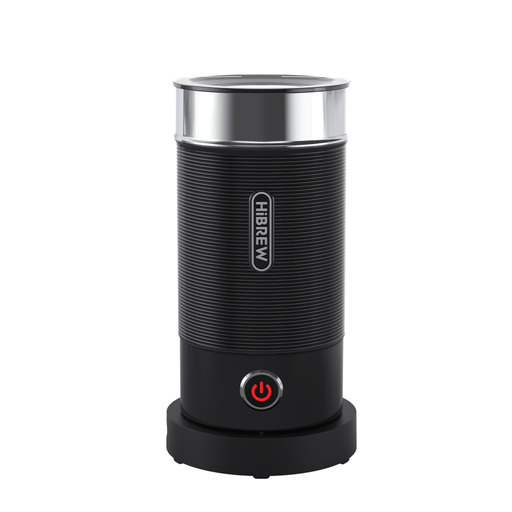 No image available
For cappuccino when you want to use a hot or cold mode. The product name lists a capacity of 200 ml, one-button operation and a retractable power cord.
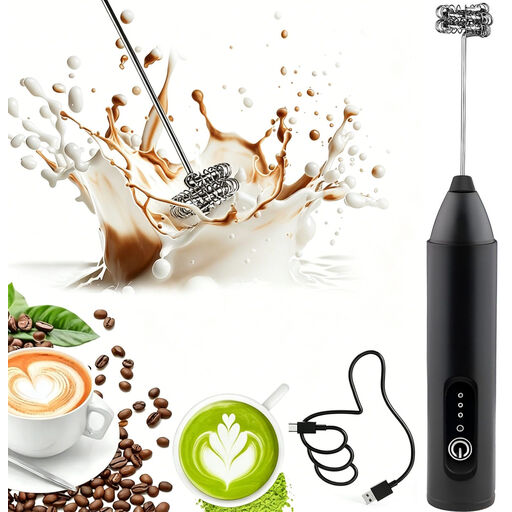 No image available
For cappuccino if you’d prefer a handheld frother to a jug-style model. The product name lists battery power and a stand.
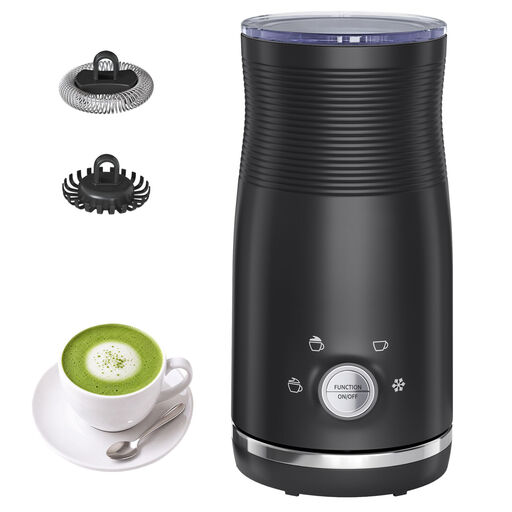 No image available
For cappuccino if you want to check the appliance’s dimensions against your worktop first. The product name lists a capacity of 300 ml and dimensions of 10.5 × 10.5 × 20.3 cm.
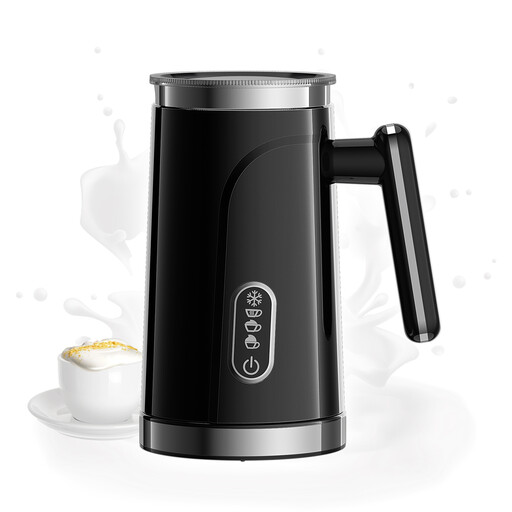 No image available
For cappuccino with hot or cold milk froth. The product name lists 500 W, a thermostat, one-button operation and automatic shut-off.
Check whether the figure refers to frothing or just heating. Severin lists a capacity of up to 220 ml for frothing and up to 400 ml for heating for the SM 3579; Philips lists 120 ml of milk for frothing for the CA6500/60.
It depends on the model. Bialetti expressly states that the Cappuccinatore 0003990 is not suitable for induction, and lists gas, electric and ceramic hobs instead. For other models, check the manufacturer’s instructions.
Clean the parts that come into contact with milk according to the instructions for your exact model. Don’t assume that the whole appliance is dishwasher-safe. The German Federal Institute for Risk Assessment explains why objects can still be relevant to hygiene even when they look clean; Severin expressly describes the jug of the SM 3579 as dishwasher-safe.
No. If you buy from a business, your statutory rights for faulty goods are against the seller. A guarantee is an additional, voluntary promise with its own terms and conditions. The German consumer advice centre clearly distinguishes between the two.
The EU explains that CE marking is required only for products covered by the relevant harmonised rules; it is not an official quality mark. The German Environment Agency advises that end-of-life electrical appliances should be collected separately and not put in household waste.