
Lieferung heute & morgen

Qualitätsgarantie

Willkommens-Angebote freischalten: KOSTENLOSE Lieferung | Bis zu 80 % RABATT | Kostenlose 30-Tage-JoyPlus-Testphase
App herunterladen
Anyone looking to buy milk powder will find a wide range of product groups: whole milk powder for drinks, coffee and tea, cream and milk powder for cooking and baking, as well as infant formula, follow-on formula and toddler milk. However, a low price or familiar brand name is not enough to make the right choice. The intended use, age category, ingredients list, preparation method and storage requirements are what really matter.
Whole milk powder for adults or the whole family is not suitable for infants. Products such as NIDO milk powder, Peak Milk Powder or Blanca Full Cream Milk Powder clearly state that they are not intended for children under 12 months. First infant formula and follow-on formula, on the other hand, are labelled according to age categories and must be prepared in line with the instructions on the packaging.
Milk powder may contain milk, soya, fish oil or other ingredients. Soya lecithin as an emulsifier is commonly found in whole milk powder. Infant and toddler milk may contain fish oil, milk ingredients or soya lecithin, among other things. The ingredients list and allergen information should therefore be checked before buying, particularly if there are known intolerances.
400 g milk powder is suitable for occasional use, travel or smaller households. A pack containing 800 g or 900 g may be more practical for regular consumption. However, there is a limited period in which the product should be used after opening. For infant formula, for example, three to four weeks may be specified depending on the product. A larger tin is therefore not automatically more economical if it cannot be used in time.
Before buying, make sure the intended use is clear:
The age indication on the packaging is decisive. When choosing or changing first infant formula or follow-on formula, parents should discuss this with a paediatrician, midwife or another suitably qualified professional where necessary.
For whole milk powder, fat, protein, carbohydrates and sugar per 100 g are among the relevant values to compare. According to the product information, Peak Milk Powder 400 g contains 28.2 g of fat and 24.3 g of protein per 100 g, for example. According to its labelling, Blanca Full Cream Milk Powder 900 g contains 28.2 g of fat and 25 g of protein per 100 g.
For infant and toddler milk, you should also check whether the composition is suitable for the relevant age category. Information such as DHA, GOS, FOS, vitamins or minerals describes product characteristics. It is not a substitute for individual nutritional advice and should not be understood as a medical efficacy claim.
Milk powder should be measured precisely according to the relevant instructions. For infant formula, fresh drinking water is generally boiled, cooled to the specified temperature and then mixed with the powder. Prepared formula should be made fresh and fed immediately. Leftovers must not be reused.
The following also applies to all product types:
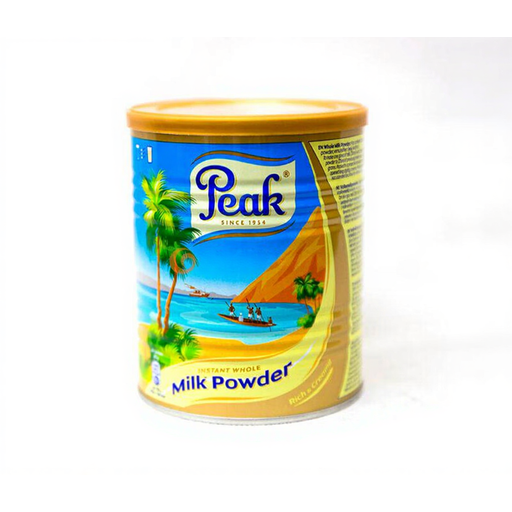
Why this product suits this profile: The 400 g tin is ideal for households that want to try whole milk powder in a manageable quantity and use it for drinks, cooking or baking.
The clear labelling stating that this whole milk is not suitable for infants under 12 months clearly defines its intended use.
According to the product information, it contains vitamins A and D3, comes with 400 g of product and dissolves in hot or cold water.
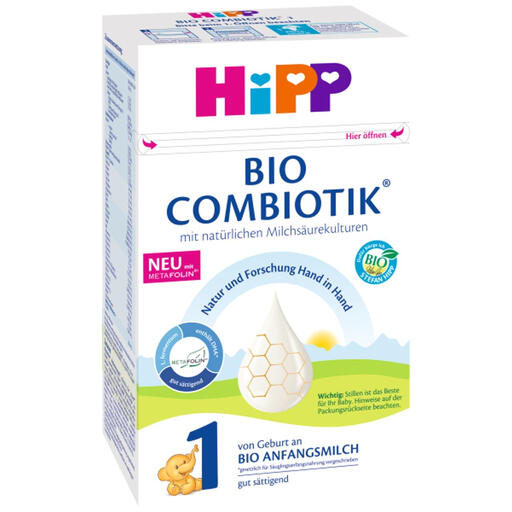
Why this product suits this profile: For parents looking for first infant formula labelled for use from birth, with detailed preparation and storage instructions.
The packaging clearly states the age category, dosage, water temperature and period for use after opening.
According to the product information, it contains DHA and natural lactic acid cultures; the pack contains 600 g.
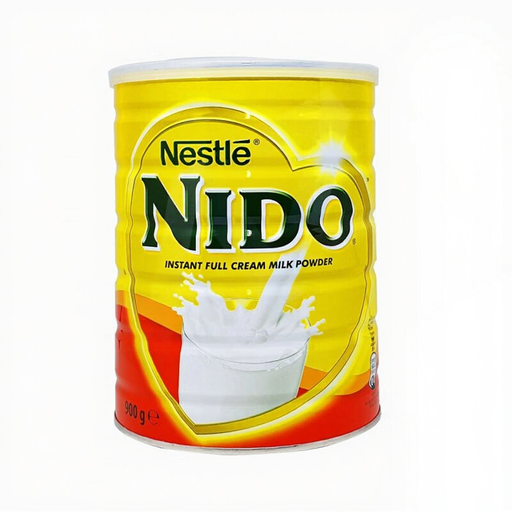
Why this product suits this profile: The 900 g tin is aimed at households that regularly use long-life whole milk powder for drinking, baking, cooking, coffee and tea.
The product name makes it clear that this is whole milk powder rather than infant formula.
According to the product information, it contains 900 g, provides 25.7 g of protein per 100 g and includes preparation instructions for 250 ml of milk.
We have put together a complete, regularly updated list of products that fully meet these strict selection criteria and the safety regulations applicable in the EU.
When ordering milk powder online, check the product name, pack size and age category once again in your basket. There is a particular risk of confusion between similar designations such as “1”, “2”, “3”, “1+” or “2+”. Images may also differ from the packaging delivered. The information on the label when the goods arrive is therefore the most important reference.
For adults, it is worth comparing the price per 100 g and the recommended mixing ratio. With baby milk powder, the correct age category, ingredients, allergens and preparation instructions are more important than the pack price alone.
Whole milk powder or specialist creamers can be used for coffee and tea. Whole milk powder typically contains milk ingredients and provides a milky flavour. Creamers such as Completa may also contain vegetable fats, glucose syrup, stabilisers and emulsifiers. The ingredients list shows which product best suits your needs.
This depends on the product. According to the relevant product information, opened infant and follow-on formula often needs to be used within three or four weeks. For whole milk powder, the specific manufacturer’s instructions on the tin or bag apply. The powder must be stored in a dry place and kept tightly sealed.
There is no universal answer. The powder price, mixing ratio, pack size and actual consumption all matter. For a fair comparison, calculate the price per prepared litre rather than looking only at the price per pack.