
Lieferung heute & morgen

Qualitätsgarantie

Willkommens-Angebote freischalten: KOSTENLOSE Lieferung | Bis zu 80 % RABATT | Kostenlose 30-Tage-JoyPlus-Testphase
App herunterladen
Not all milk powders are the same. Parents often look for baby milk, infant formula or follow-on milk, while other households need long-life whole milk powder for coffee, drinks, cooking and baking. If you focus only on the brand, price or eye-catching claims, you could easily choose a product that isn’t right for your child’s age, dietary needs or intended use.
Infant formula is divided into age stages. Pre-starting formula is suitable from birth, follow-on milk 2 is usually for babies from 6 or 7 months, and follow-on milk 3 from around 10 or 12 months. Toddler milk, meanwhile, is intended for children from 1 or 2 years old.
Whole milk powder, for example, isn’t automatically suitable for babies. Several whole milk powder products in our range clearly state that they are not suitable for infants under 12 months. Always check the age guidance on the packaging before comparing prices.
Claims such as DHA milk, calcium-rich milk powder or “with important nutrients” describe just a few features. What matters is the full ingredient list, the product’s legal category and the recommended age range.
Infant formula, for example, may contain lactose, milk and whey ingredients, vegetable oils, fish oil, and added vitamins and minerals. Whole milk powder, on the other hand, often contains whole milk powder, an emulsifier and considerably more energy. These products aren’t interchangeable.
A 900 g container may look like good value at first, but could be too large if you only use it occasionally. Depending on the product, opened baby milk often needs to be used within three to four weeks. A smaller 400 or 500 g pouch may be more practical for one household, while a larger pack could suit families who use it regularly.
First, work out what you need:
If you’re unsure what to choose for a baby or toddler, discuss the options with your paediatrician, midwife or another appropriate healthcare professional. Manufacturer guidance is not a substitute for individual advice.
Check the ingredients list and look out for relevant allergens. Common ingredients include milk, whey, lactose, vegetable oils, fish oil and soya lecithin. In several products, DHA comes from fish oil or algae oil. This is particularly important for families with known intolerances.
It’s also worth checking the source of carbohydrates. Some products contain only lactose, while others also contain starch. This affects the composition and consistency, but it isn’t a general measure of quality. Toddler milk may also contain fibre such as GOS or FOS.
Nutritional values are only comparable when they use the same serving basis. For infant and toddler milk, pay particular attention to:
For example, the product information for Bebivita 3 gives 68 kcal, 70 mg of calcium and 1 mg of iron per 100 ml of prepared drink. HiPP Kindermilch Combiotik is listed as providing 54 kcal, 120 mg of calcium and 1.2 mg of iron per 100 ml. These figures show why it’s more useful to compare prepared servings than to look at the weight of the powder alone.
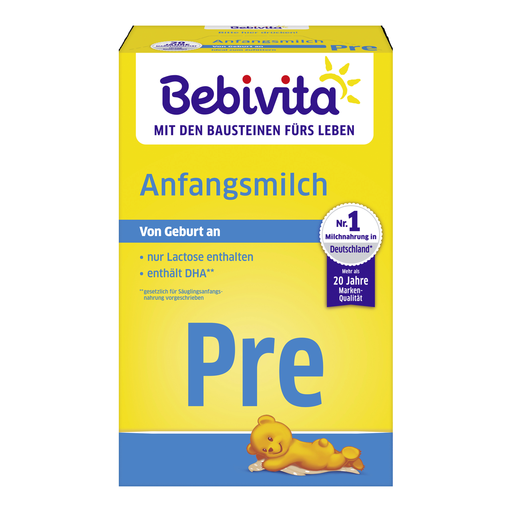
Why this product suits this type of shopper: The 500 g pack is a good option for families looking for a manageable amount of first infant formula from birth. According to the manufacturer, lactose is the only carbohydrate and the formula contains DHA.
The clear “from birth” label helps you avoid confusing follow-on milk or toddler milk with first infant formula.
500 g pack, feeding guide for different age stages, and information about milk and fish allergens.
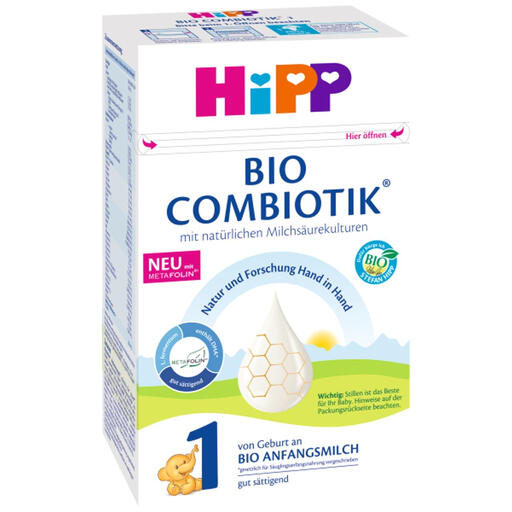
Why this product suits this type of shopper: The 600 g pack is aimed at parents looking for first infant formula from birth, with detailed instructions for measuring and preparation.
Its first infant formula label distinguishes it from toddler milk and ordinary whole milk powder.
According to the manufacturer, the product contains DHA, lactose, GOS and natural lactic acid cultures; the pack contains 600 g.
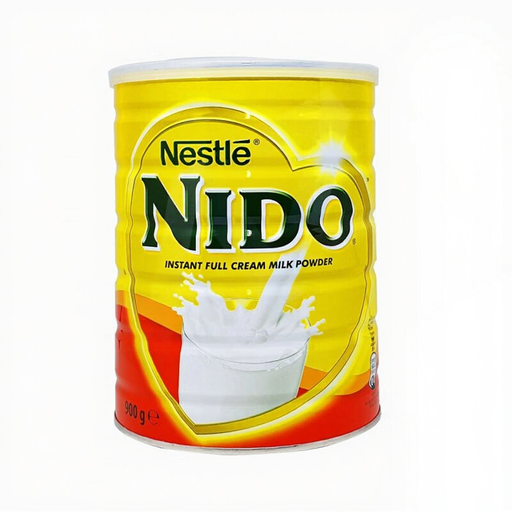
Why this product suits this type of shopper: This whole milk powder is intended for adults and families who regularly use milk powder in drinks, coffee, cooking or baking.
It is clearly labelled as whole milk powder, not infant or toddler milk.
900 g tin, instant format and, according to the product information, 25.7 g of protein and 28.2 g of fat per 100 g.
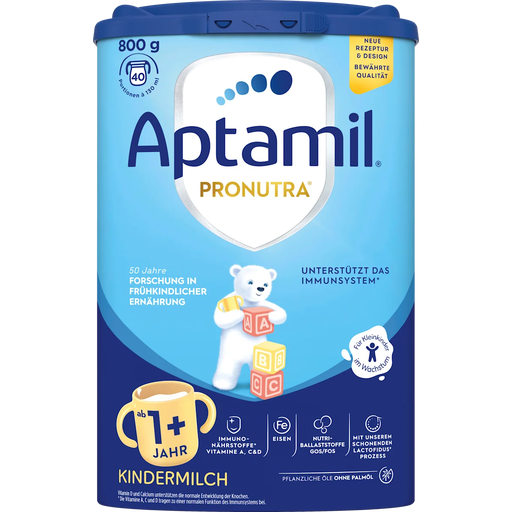
Why this product suits this type of shopper: This milk drink is suitable from 1 year and, according to the product information, can be served warm or cold in a cup.
The 1+ age label helps prevent it being confused with first infant formula or milk powder for babies under 6 months.
800 g pack, GOS and FOS according to the ingredients list, and vitamins A, C and D; according to the product information, it contains no palm oil.
We’ve put together a complete, regularly updated list of products that meet these strict selection criteria and the safety regulations in force across the EU.
For infant and toddler milk, use fresh drinking water and follow the instructions on the pack. Many products recommend a water temperature of around 40 to 50 °C for preparation and a drinking temperature of approximately 37 °C. Measure the powder using the scoop provided and prepare each feed fresh just before feeding.
Key points to remember:
It depends on the product. The product information provided often recommends using opened pouches or tins within three weeks, while some products specify four weeks or 28 days. Always follow the instructions on the packaging of the product you buy. Store the powder in a dry place and seal the pack again immediately after each use.
No, whole milk powder isn’t automatically suitable for infants. Products such as Peak Milk Powder, NIDO or Blanca Full Cream Milk Powder are labelled as whole milk powder for drinks and cooking, and some are specifically stated to be unsuitable for children under 12 months. For babies, it’s important to choose infant formula that’s right for their age.
Follow-on milk is intended for a specific infant age stage, for example from 6, 7, 10 or 12 months, and is given as part of a mixed diet. Toddler milk is usually aimed at children from 1 or 2 years old. Always compare the age guidance, preparation instructions and ingredients list before buying milk powder.