
Lieferung heute & morgen

Qualitätsgarantie

Willkommens-Angebote freischalten: KOSTENLOSE Lieferung | Bis zu 80 % RABATT | Kostenlose 30-Tage-JoyPlus-Testphase
App herunterladen
Milk tea powder is ideal for quick preparation at home, in the office or in the catering trade. Simply dissolve a sachet in hot water, stir and serve – some mixes can also be prepared with ice. However, product names can create expectations that are not always confirmed by the ingredients list or serving information. If you are looking to buy milk tea powder, you should therefore pay particular attention to the ingredients, preparation method and pack size.
Many instant mixes are 3-in-1 products made from sugar, creamer and tea extract. The tea content can vary considerably from one product to another. With a matcha latte, for example, the amount of matcha has a decisive impact on the colour and flavour profile. In a chai mix, black tea and spices define the character.
The term instant milk tea primarily refers to the preparation method, not the percentage of tea in the product. Check the ingredients list to see whether tea extract, black tea, matcha or rooibos appear near the top.
A plant-based creamer may still carry a warning that it contains traces of soya or gluten. Conversely, many milk tea mixes contain whey powder, sodium caseinate or skimmed milk powder. These ingredients are relevant for people with a milk allergy or lactose intolerance.
The labelling on the packaging is important. Information in product descriptions does not replace the current ingredients and allergen list for the specific item.
A 1-kg bag may be a sensible choice for cafés, restaurants or households where the product is consumed regularly. For occasional use, a smaller pack or box of individual portions is often more practical. Once opened, powders can become lumpy when exposed to moisture. Airtight, dry storage and a securely resealable bag are therefore among the most important buying criteria.
Check the following before buying:
For products containing aspartame, pay attention to the statement that the product is a source of phenylalanine. People with phenylketonuria should take the labelling of the relevant product into account.
Comparing products per 100 g is useful, but for everyday use the actual serving size matters. A product containing 20 to 30 g of powder per cup can taste stronger or milder depending on the amount of water or milk used. Pay attention to:
Many milk tea powders have a high carbohydrate content due to their sugar and creamer. This is not a quality assessment, but an objective characteristic that may be relevant to your personal choice.
Not every mix is described equally clearly for both preparation methods. The powder is often dissolved in hot water first, then topped up with cold water or ice. Creamers and sugar may dissolve more slowly in cold liquid.
For a tea latte or bubble tea powder, the consistency and the option of adding tapioca pearls are also relevant. The manufacturer's specific instructions should take precedence. Very hot water presents a scalding risk; products with toppings may also include additional instructions for safe use.
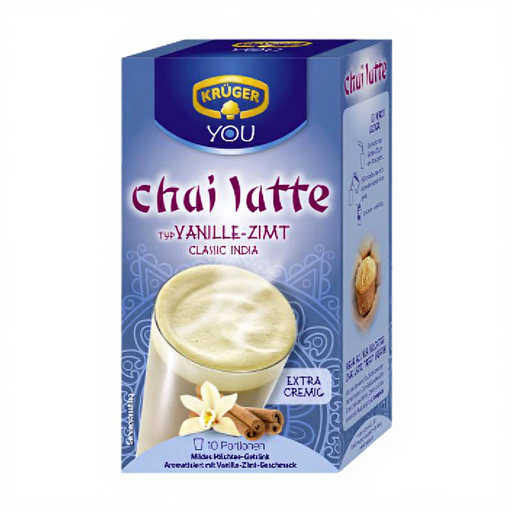
Why this product suits this profile: The ten individual servings are conveniently portioned for occasional cups at home or at work. Vanilla and cinnamon complement the black tea.
The serving size and preparation method using 150 ml of hot, but not boiling, water are clearly stated. This makes it easier to calculate how much you will use.
Individual servings, 25 g per sachet and quick preparation. Contains dairy ingredients.
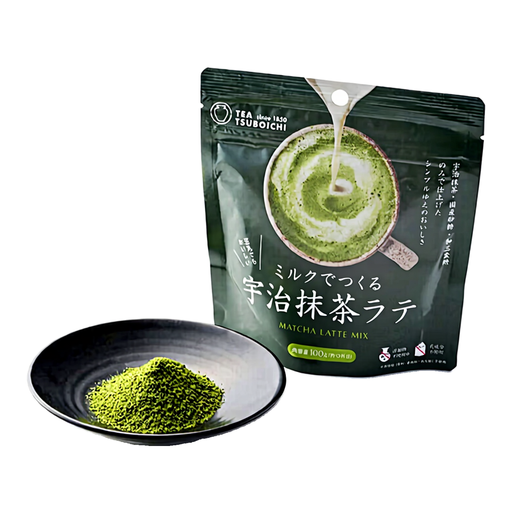
Why this product suits this profile: According to the product information, the mix contains matcha and sugar. It can be dissolved in hot milk or cold milk with ice. This makes it appealing to people who prefer Japanese milk tea or matcha latte.
The ingredients list is concise. Shoppers can compare the matcha content, sweetening and allergens directly with their requirements.
60-g pack, preparation using approximately 10 g of powder and made in Japan according to the product information.
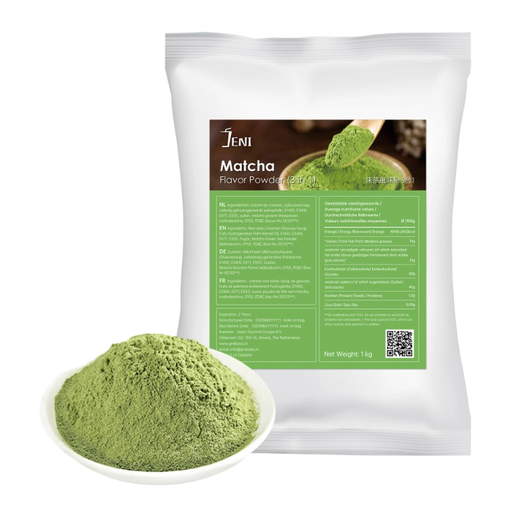
Why this product suits this profile: The 1-kg pack is aimed at frequent users as well as bubble tea shops, cafés and restaurants. The mix combines matcha, creamer and sugar.
The recommended amount is stated as 25–30 g for hot drinks and 35 g for iced drinks. This makes the larger bag easy to plan around.
1 kg contents and two preparation methods described. Contains dairy ingredients and is not vegan according to the product information.
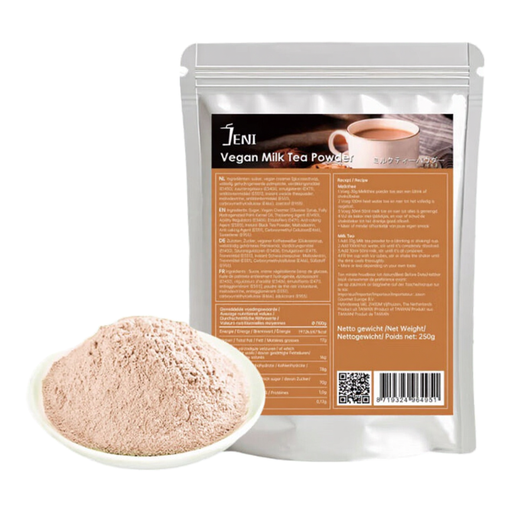
Why this product suits this profile: This product is described as a vegan milk tea mix with plant-based creamer and can be prepared with water or plant-based milk.
The product information lists no allergens, while also highlighting possible traces of soya or gluten from the production environment. This makes it easier to assess whether it is suitable for your needs.
250-g pack and dissolves in hot liquids. Check the current packaging information before consuming.
We have compiled a complete, regularly updated list of products that fully meet these strict selection criteria and the safety regulations applicable in the EU.
For a hot drink, the powder is usually mixed with 150 to 200 ml of water. When preparing milk tea to dissolve, it is advisable to start with a smaller amount of hot liquid. Depending on the instructions, you can then add water, milk or a plant-based alternative.
For the cold version, dissolve the powder in warm liquid first, then add ice cubes. With products such as Thai tea powder or matcha latte powder, this can result in a more even consistency. The exact dosage depends on the product concerned.
Once opened, the bag or container should be sealed tightly and stored in a dry place away from direct sunlight. Moisture can affect how freely the powder flows. The best-before date and any further instructions can be found on the packaging.
Many mixes are suitable for cold drinks. The powder is often dissolved in hot water first, then mixed with cold water and ice. Check the preparation instructions for the individual product.
You will find the specific best-before date on the packaging. Unopened products should be stored in a dry place and protected from heat. Once opened, a tight seal is important to prevent the powder from absorbing moisture.
That depends on the tea base and the creamer. Plant-based products may be labelled as vegan. Black tea and matcha generally contain caffeine, while rooibos is often used as a caffeine-free tea base. The ingredients list and the manufacturer's information are decisive.