
Lieferung heute & morgen

Qualitätsgarantie

Willkommens-Angebote freischalten: KOSTENLOSE Lieferung | Bis zu 80 % RABATT | Kostenlose 30-Tage-JoyPlus-Testphase
App herunterladen
For many coffee lovers, a milk frother is an essential part of the equipment needed to prepare cappuccino, latte macchiato or milky coffee at home. The choice ranges from simple handheld devices and electric milk frothers to induction-compatible stainless steel models. This variety is precisely what makes the decision difficult.
Typical poor purchases are caused less by the price than by overlooked details:
A manual milk frother is heated on the hob and then operated using a double whisk or plunger. This design does not require a power connection and can be used independently of a coffee machine. However, you have to control the temperature and frothing process yourself.
An electric milk frother heats and stirs the milk, depending on the model. Programmes for hot and cold milk froth are practical if you regularly prepare several drinks. Check which functions are available: some appliances heat milk but only produce hot froth, while others offer separate programmes for hot and cold milk froth.
For latte art, it is not simply a matter of producing lots of froth. A fine-pored, more fluid consistency is generally easier to pour than very firm froth. Adjustable froth levels or different stirring attachments may therefore be important.
A milk frother with a frothing capacity of 150 to 160 ml is typically suitable for a single portion. Models with around 250 to 330 ml can provide froth for several cups or larger quantities of hot milk, depending on the markings.
You should therefore always check two specifications:
A smaller quantity of froth is often sufficient for a cappuccino milk frother. For latte macchiato or several drinks prepared one after another, a larger container may be more practical. The instruction manual and MIN/MAX markings are binding, as overfilling can cause spilling or uneven heating.
Stainless steel milk frothers are an attractive option for users who prefer a robust container and easy cleaning. The key factor is whether the base is explicitly approved for induction. According to the product specifications, the Bialetti Stainless Steel Induction Milk Frother is operated manually, holds 330 ml and is suitable for induction hobs as well as other hob types.
Aluminium models with a non-stick coating can be lightweight and conduct heat effectively. According to the product description, the 160 ml Bialetti Tutto Crema is suitable for gas, glass and electric hobs, but not for induction. This model is specified as hand-wash only. If you want to use a dishwasher, check the manufacturer’s instructions for each individual component.
A glass milk frother gives you a clear view of the contents. Depending on the product, borosilicate glass may be heat-resistant and microwave-safe. Electric bases and metal components must still be handled separately. With all appliances, remember that hot surfaces and milk can cause scalding; follow the manufacturer’s safety instructions.
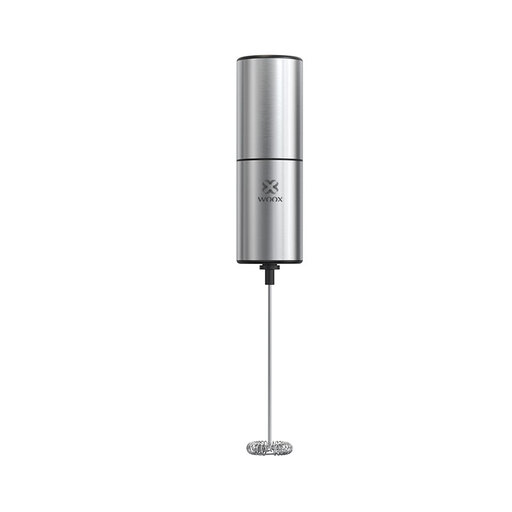
Why this product suits this profile: This battery-powered handheld device is designed for occasional use at home, in the office or on the go. It does not require a hob or a fixed power connection.
Its portable design avoids the assumption that a larger electric appliance is required for every use. The milk is frothed in a separate container.
Compact, cordless operation and flexible use with different containers.
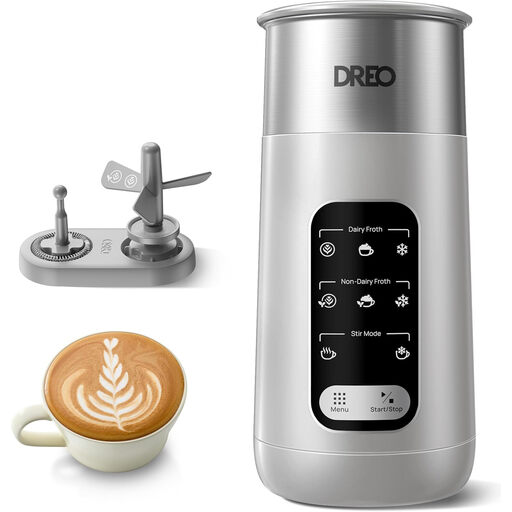
Why this product suits this profile: This electric milk frother offers a 270 ml capacity, adjustable temperature and froth levels, as well as programmes for different types of milk and hot and cold frothing.
The separate settings reduce the risk of buying an appliance with just one froth consistency for cappuccino and latte art.
Stainless steel container, several programmes and automatically completed cycles. According to the specifications, the container, lid and attachments are dishwasher-safe in the upper rack.
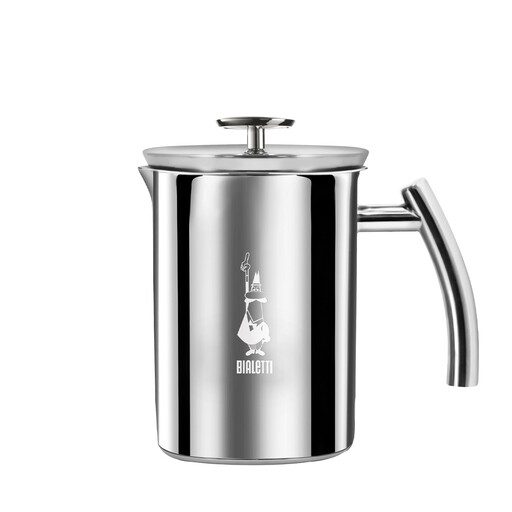
Why this product suits this profile: With a 330 ml capacity, this manual model is aimed at households with induction hobs and users who want to work without an electrical connection.
Its stated induction compatibility prevents a common purchasing mistake on hobs where basic aluminium containers do not work.
330 ml capacity, stainless steel construction and dishwasher suitability according to the product specifications.
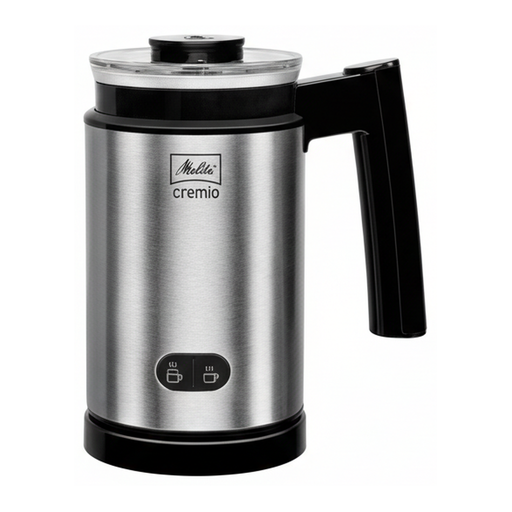
Why this product suits this profile: This electric appliance is designed for regular preparation and offers hot and cold milk froth functions with one-button operation.
The separate hot and cold functions mean you do not need an additional appliance for cold drinks. According to the specifications, the removable whisk and lid are dishwasher-safe.
450 W power, a 250 ml container and automatic switch-off according to the product data.
We have put together a complete, regularly updated list of products that fully meet these strict selection criteria and the safety regulations applicable in the EU.
For consistently smooth milk froth, fill the milk according to the instructions. With electric appliances, keep the base dry. Unless the manufacturer has approved the appliance for dishwasher use, it is best to clean non-stick interior surfaces with soft cloths. Milk residue should not be allowed to dry, as it will be harder to remove later.
With a manual appliance, the temperature, quantity of milk and pumping motion all affect the result. Very hot milk can alter the flavour and also increases the risk of scalding. Latte macchiato is often made with lighter, airier froth, while cappuccino usually has a more compact layer of froth.
Only models explicitly stated to be induction-compatible should be used on an induction hob. Stainless steel models with a suitable base are designed for this purpose. According to the product specifications, aluminium appliances such as certain Tutto Crema variants may not be suitable for use on induction.
Its lifespan depends on how often it is used, how it is cleaned and how the heating base is handled. Remove milk residue after every use, do not operate the appliance without liquid, and never immerse the cable, plug or base in water. Wear parts such as the whisk or stirring attachment should be replaced as needed in accordance with the manufacturer’s instructions.
A manual milk frother does not incur any additional electricity costs during use; you only need energy for the hob and milk. An electric model uses electricity for heating and stirring. Running costs therefore depend more on power consumption, programme duration and frequency of use than on the wattage alone.