
Lieferung heute & morgen

Qualitätsgarantie

Willkommens-Angebote freischalten: KOSTENLOSE Lieferung | Bis zu 80 % RABATT | Kostenlose 30-Tage-JoyPlus-Testphase
App herunterladen
Searching for milk powder for babies and children may seem straightforward at first. However, supermarket shelves and online shops offer pre milk, first infant formula, follow-on milk, growing-up milk and whole milk powder side by side. Packaging highlights DHA, organic ingredients, HMO, GOS/FOS or “natural” recipes. Not every feature is relevant for every child or everyday situation.
“From birth”, “from 6 months”, “from 10 months” and “from 1 year” are not interchangeable marketing claims. Pre milk and other first infant formula products are intended for the first stage of life. Follow-on milk, on the other hand, is designed for a mixed diet after weaning begins. Growing-up milk from 1 year is a milk drink for toddlers and is not a substitute for first infant formula.
DHA, HMO, GOS and FOS can be useful features to assess in an ingredients list. However, age, tolerance, allergens, preparation and your child’s dietary recommendations remain the key considerations. A product with lots of highlighted ingredients is not automatically better suited to your child’s individual needs.
Whole milk powder for household use is not intended for babies under 12 months. Products such as NIDO or Peak consist mainly of whole milk powder and are suitable for drinks, coffee, cooking or baking. They must be clearly distinguished from baby milk and legally regulated infant formula.
First, check the precise age recommendation on the packaging:
If you are unsure about switching formula or starting follow-on milk, parents should consult a midwife, paediatrician or another appropriate medical professional. The instructions on the relevant packaging are binding.
If you are looking for palm-oil-free baby milk, read the full ingredients list. According to the product description, Milupa Milumil 1 and Milupa Milumil from birth are made with vegetable oils without palm oil. Bebivita PRE and several other formulas, however, contain palm oil or palm-oil ingredients.
For DHA milk powder, the source is also relevant: product information may specify fish oil or algae oil, for example. Milk, fish and soya are among the allergens found in several of the recipes listed here. Organic baby milk may contain ingredients from certified organic farming, but that does not automatically make it the right choice for every family or child.
800-g tins are practical for families with regular requirements, while 500-g packs limit the amount kept in reserve and may be suitable when trying a product cautiously. After opening, manufacturers often state a usage period of three to four weeks. This period varies by product and must be checked on the packaging.
Milk powder should be stored in a dry, cool place and kept tightly sealed. For every feed, follow the instructions for the amount of water, quantity of powder and temperature precisely. Leftover formula must not be used again. Incorrect dosing, storage or preparation can pose health risks.
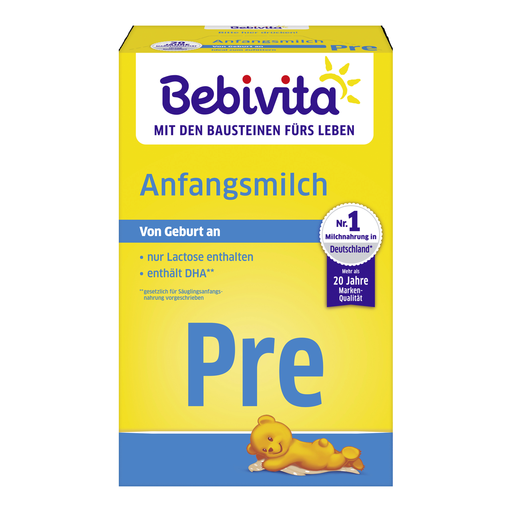
Why this product suits this profile: The 500-g pack is suitable for families looking for formula from birth in a manageable quantity. According to the product description, the recipe contains only lactose as its carbohydrate source.
The clear “from birth” labelling reduces the risk of accidentally buying follow-on milk for a younger baby. The 500-g size also helps avoid unnecessary stocks.
500 g contents, DHA according to the product information and a preparation table on the pack.
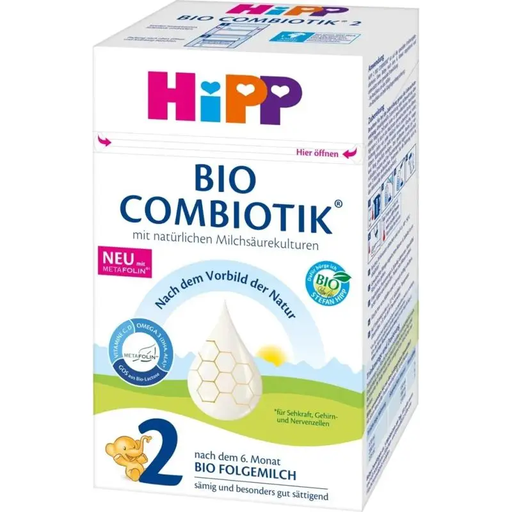
Why this product suits this profile: According to the product description, this follow-on milk is intended for babies from six months and carries the organic certification DE-ÖKO-001.
Stage 2 and the age recommendation help prevent the common confusion between first infant formula and follow-on milk. Palm oil is clearly listed in the ingredients and should be taken into account before buying.
600 g contents, organic certification according to the product information, plus DHA and ALA in the recipe.
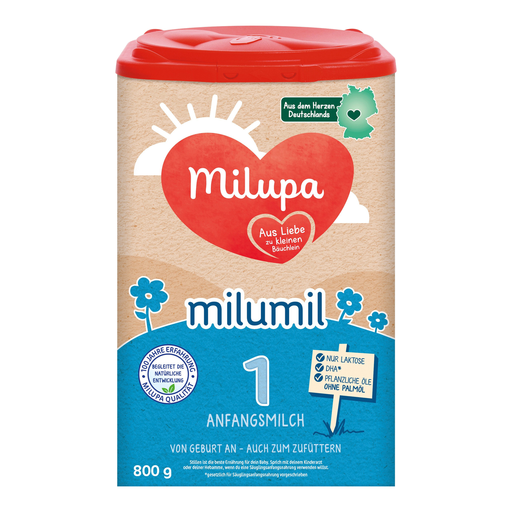
Why this product suits this profile: The 800-g pack is designed for regular use. According to the product description, it contains DHA, GOS/FOS and vegetable oils without palm oil.
The ingredients list helps you verify the “palm-oil-free” claim. The “from birth” age stage prevents you from choosing unsuitable follow-on milk.
800 g contents, integrated measuring scoop and resealable packaging according to the product description.
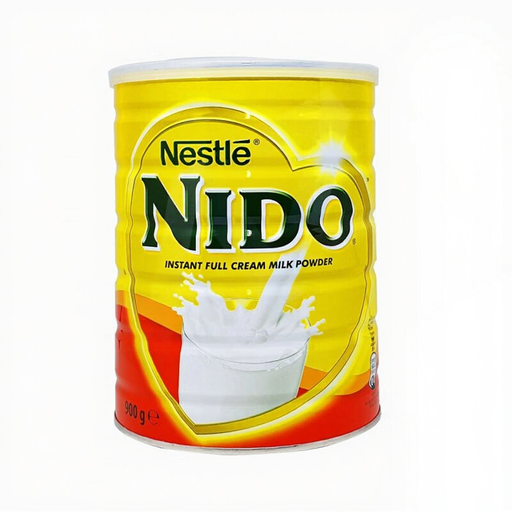
Why this product suits this profile: The whole milk powder is intended for drinks, cooking and baking, while the 900-g pack provides a larger quantity for household use.
Clearly identifying it as whole milk powder prevents a household product from being mistakenly used as baby milk. According to the product information, it is not intended for babies under 12 months.
900 g contents, instant powder and a range of household uses.
We have put together a complete, regularly updated list of products that fully meet these strict selection criteria and the safety regulations applicable in the EU.
It depends on the product. Many packs state three to four weeks after opening. The manufacturer’s instructions on the tin or inner bag are decisive. The powder should be stored in a dry, cool place and kept airtight.
Fresh drinking water should be prepared according to the instructions on the pack and cooled to the stated temperature. Measure out the water and precisely levelled powder, mix thoroughly and check the temperature before feeding. Prepare each feed fresh; discard any leftovers.
Growing-up milk is an additional milk drink for toddlers and is not an essential substitute for a balanced diet. Parents should consider the age recommendation, serving guidance, ingredients and their child’s overall diet. If you have questions about your child’s individual nutrition, medical advice can be helpful.