
Lieferung heute & morgen

Qualitätsgarantie

Willkommens-Angebote freischalten: KOSTENLOSE Lieferung | Bis zu 80 % RABATT | Kostenlose 30-Tage-JoyPlus-Testphase
App herunterladen
Anyone looking to buy mineral water is often faced with a wide choice: still mineral water, medium mineral water or classic mineral water, PET bottles in different sizes, and brands from Germany or abroad. At first glance, many offers look similar. However, differences in carbonation, mineral content, bottle volume, deposit and ingredients can have a noticeable impact on everyday use.
Three common buying misconceptions particularly often lead to unsuitable orders:
Carbonation is a useful selection criterion:
For families, combining still and sparkling water can be a sensible option. If you want to order mineral water online, check the variant directly in the product name and ingredients list. “Natural mineral water” and “soft drink based on mineral water” are not the same thing.
A 6-pack of mineral water with 1.5-litre bottles contains 9 litres in total. This is practical for families, offices and people with high consumption, but it also means a greater transport weight. A pack containing 6 x 1 litre, on the other hand, holds 6 litres and is easier to distribute or store.
The most common formats at a glance:
Also pay attention to the stated deposit. For some PET packs, it is explicitly included in the offer; for others, you need to check how it is shown in the basket or on the label.
The mineral analysis table provides a more objective basis than terms such as “particularly valuable” or “premium”. Relevant minerals may include calcium, magnesium, sodium, sulphate and hydrogencarbonate. Values are generally given in milligrams per litre.
Anyone who needs to adhere to a particular sodium content should read the product labelling carefully. A mineral analysis table alone cannot establish whether a product is generally suitable for medical or therapeutic purposes. Claims about preparing infant formula should also only be taken into account if they are expressly stated on the current label.
When choosing branded mineral water, it is also worth checking the origin, bottling location, ingredients and type of packaging. Products such as mineral water from Germany and imported varieties may differ not only in their source, but also in their delivery route and bottle format.
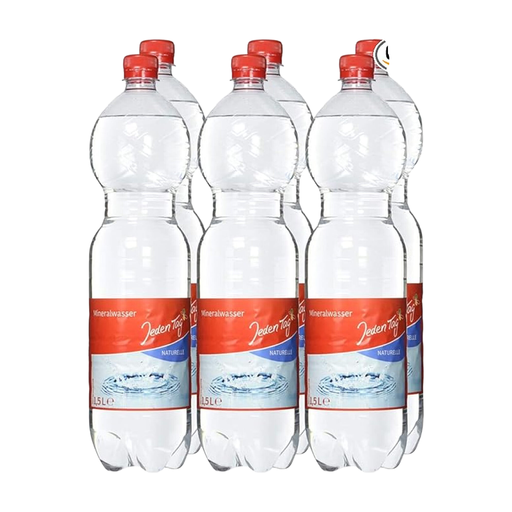
Why this product suits this profile: This 9-litre pack provides plenty of water for regular use and contains no carbon dioxide.
The clear “still” designation helps prevent accidentally choosing a sparkling variant. Mineral values are stated per litre.
6 PET bottles, each containing 1.5 litres; non-carbonated; stated values include calcium, magnesium and bicarbonate.
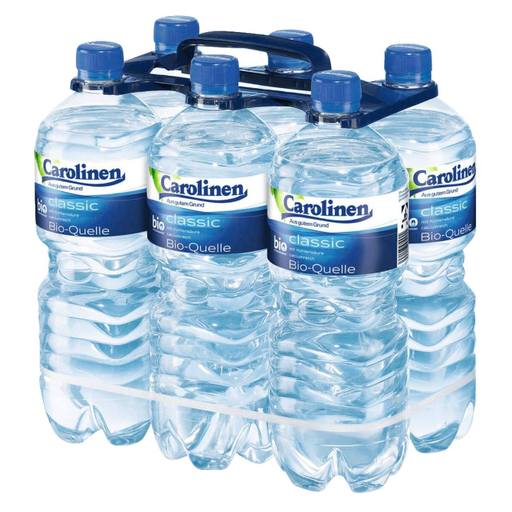
Why this product suits this profile: The Classic variant is aimed at people who prefer strongly carbonated water and value detailed mineral information.
The product information specifies the added carbonation and gives exact values, such as 267 mg of calcium and 60.3 mg of magnesium per litre.
6 x 1 litre; Classic with carbonation; manufacturer’s storage advice: protect from direct sunlight.
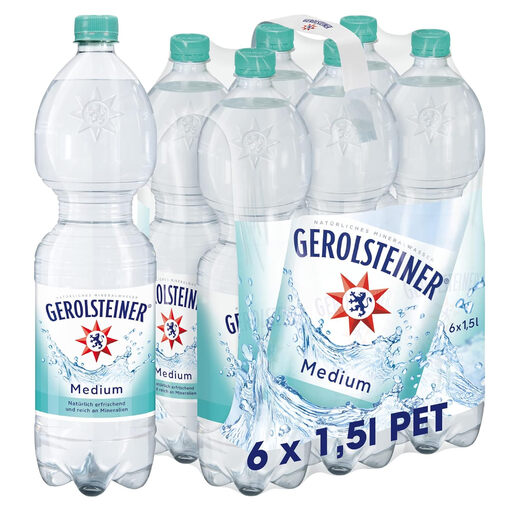
Why this product suits this profile: With 9 litres and a medium level of carbonation, this format is designed for households, offices and catering businesses with regular consumption.
The variant is clearly labelled as Medium, so you can match the level of carbonation to your personal requirements before buying.
6 PET bottles containing 1.5 litres each; mineral values such as 348 mg of calcium and 108 mg of magnesium per litre, according to the product description.
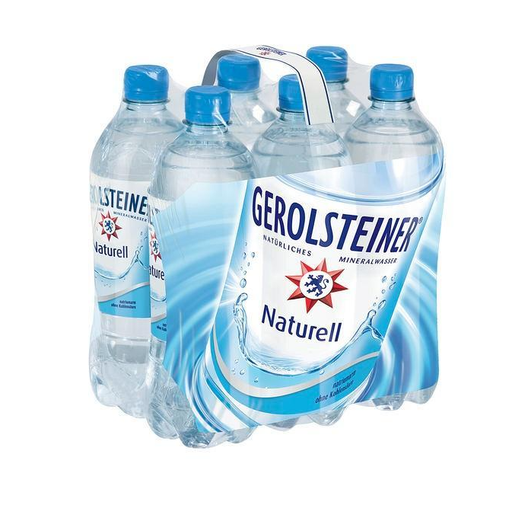
Why this product suits this profile: The compact 0.75-litre format is easier to divide up, chill and take to meetings or on trips.
The product is identified as still mineral water without carbonation. The total volume is 4.5 litres, helping to avoid misjudging the amount in stock.
6 x 0.75 litres; non-carbonated; German origin and mineral values stated in the product description.
We have put together a complete, regularly updated list of products that fully meet these strict selection criteria and the safety regulations applicable in the EU.
That depends on your taste, the quantity you need and your available storage space. Mineral water 6 x 1.5 l is practical for high consumption. Smaller 0.75- or 1-litre bottles are easier to chill and transport. If you have specific dietary requirements, check the mineral information on the label.
The specific best-before date is shown on the packaging. Unopened bottles should be stored in a dry, cool place away from light. Once opened, the taste may change; with carbonated products, the sparkle will also gradually diminish. The manufacturer’s stated consumption period takes precedence.
There is no blanket answer. Compare the price per litre, deposit, delivery costs and total quantity ordered. For offices or families, having several 6-packs delivered may be convenient, while smaller orders can be less worthwhile once delivery costs are taken into account.