Parents who want to portion out treats carefully
You’d like to offer biscuits occasionally, but set the amount aside before eating rather than leaving the packet out for continuous snacking.


Mini butter biscuits aren’t suitable for toddlers just because they’re small: the Federal Centre for Nutrition advises avoiding small, hard foods. So first check whether the texture is right for your child’s chewing ability, and supervise them while they eat. For an occasional sweet treat, also consider setting aside a portion in advance and checking the ingredients and allergens. If a gluten-free diet is medically necessary, regular butter biscuits made with wheat aren’t suitable.
You’d like to offer biscuits occasionally, but set the amount aside before eating rather than leaving the packet out for continuous snacking.
You need to judge whether a crunchy biscuit is right for your child’s chewing ability. The Federal Centre for Nutrition advises avoiding small, hard foods for toddlers; a mini shape doesn’t change that.
For these families, ingredient and allergen labelling matters more than the size or packaging. For example, the LEIBNIZ Minis listed by EDEKA24 contain wheat flour, so they aren’t a gluten-free option.
When choosing a snack for a toddler, consider the texture and your child’s chewing ability before comparing pack sizes. Then use the ingredients list and nutrition information to help you choose an occasional treat that you can portion out in advance.
| Consideration | What to check when buying | Who should pay particular attention |
|---|---|---|
| Chewing and swallowing | Check the actual size and texture; don’t choose a small, hard biscuit just because it says ‘mini’. The Federal Centre for Nutrition advises avoiding small, hard foods for toddlers. | If my child can’t yet chew crunchy pieces safely, I don’t want to offer mini biscuits just because they’re small. For around 40% of consumers, chewing ability is the most important factor in this choice. |
| Portion size and sugar | Set the amount aside before eating and compare the sugar content per 100 g in the nutrition information. Individual small biscuits don’t change the amount per 100 g. | I want to keep an occasional treat within clear limits, rather than offering biscuits throughout the day; around 30% of consumers prioritise portion size. |
| Gluten and allergens | If gluten must be avoided, check that the specific product is labelled ‘gluten-free’ and read the full ingredients list. If there are other allergies, check the relevant ingredients and precautionary allergen information too. | If my child needs to avoid gluten or a particular allergen, the labelling—not the mini format—determines what I choose. Around 20% of consumers put this need first. |
| Pack format | Check whether you can set aside a small amount from the pack, and read the information on the actual pack you buy. ALDI SÜD notes that BISCOTTO Butter Biscuits may vary because they can come from different suppliers. | If I’m portioning the biscuits myself, what matters most is how the pack fits into our snack routine; around 10% of consumers prioritise the pack format. |
A small, crunchy biscuit may not be suitable for a child who hasn’t yet mastered chewing. The Federal Centre for Nutrition advises avoiding small, hard foods for toddlers.
Check the texture and your child’s chewing ability before offering one. If in doubt, don’t give them a small, hard biscuit to eat independently; supervise your child while they eat.
The size of an individual biscuit doesn’t change the nutrition information per 100 g. EDEKA24 lists LEIBNIZ Minis Original as containing 25 g of sugar per 100 g.
Set aside an occasional portion in advance and check the sugar content on the specific pack, rather than judging the amount by biscuit size alone.
In a review of children’s snacks, the consumer advice centre found that many of the products examined were high in sugar or salt. The packaging design tells you little about this.
Compare the ingredients list, allergen information and nutrition details, as well as the amount you actually intend to offer.
ALDI SÜD notes that BISCOTTO Butter Biscuits may come from different suppliers, so the nutrition information can vary.
For this product, check the ingredients, allergens and nutrition information on the pack you buy—especially if an ingredient needs to be avoided.
Bahlsen includes LEIBNIZ Minis Original in its product range. This identifies a mini butter biscuit format, but doesn’t mean it’s suitable for every toddler.
EDEKA24 describes Schär Butter Biscuit Petit Beurre as a gluten- and wheat-free alternative, but it isn’t confirmed as a mini bite-size format.
ALDI SÜD sells BISCOTTO Butter Biscuits in a 400 g pack. Adults need to portion them out themselves for a snack; there’s no indication that they’re a mini format.
Lidl Germany lists Sondey Butter Biscuits as a butter biscuit option. This doesn’t mean they’re a mini format or suitable for toddlers.
These two LEIBNIZ varieties may be suitable if you’re choosing biscuits for an occasional portion set aside by an adult. You can’t tell from the product name or pack size whether a crunchy biscuit is right for your child’s chewing ability, so check the labelling for the specific variety too.
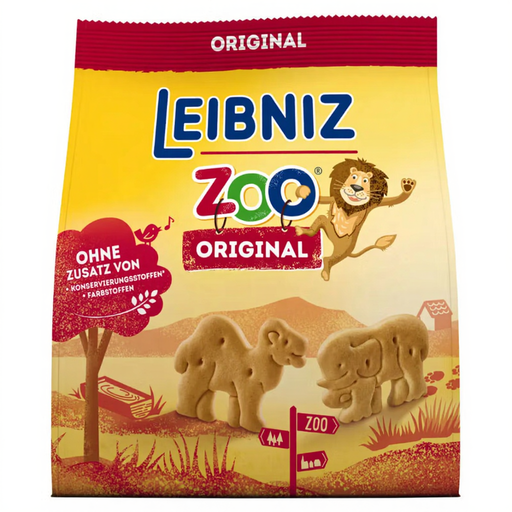 No image available
For adults who want to set aside a small portion from a packet of biscuits for an occasional treat. The pack contains 125 g. Before offering them, check the biscuits’ actual size and texture, as well as your child’s chewing ability.
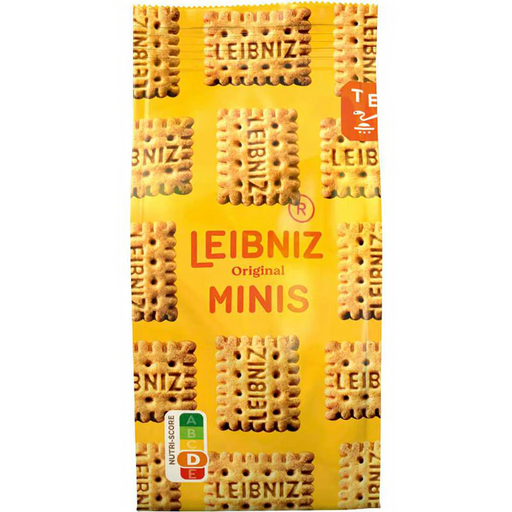 No image available
The mini format may help adults count out an occasional portion of biscuits in advance. The pack contains 150 g. Even with small biscuits, the texture, your child’s chewing ability and the ingredients labelling all need to be right for them.
Not just because they’re smaller. The Federal Centre for Nutrition advises avoiding small, hard foods for toddlers. Check the texture and your child’s chewing ability, and supervise them while they eat. If you’re unsure, a small, hard biscuit isn’t a suitable choice for them to eat independently.
Set the amount aside before offering the biscuits, rather than leaving the pack out for continuous snacking. The consumer advice centre recommends limiting sweets and snacks for children, rather than offering them throughout the day; the size of individual butter biscuits doesn’t remove the need to make that choice.
No. The LEIBNIZ Minis listed by EDEKA24 contain wheat flour. EDEKA24 describes Schär Butter Biscuit Petit Beurre as a gluten- and wheat-free alternative; still, check the current pack, particularly if other allergens besides gluten are a concern.
Check the ingredients list on the specific pack, and look for any warnings about possible traces. According to the European Commission, 14 specified allergens must be clearly labelled in the EU when used as ingredients; these include cereals containing gluten, such as wheat.