Families who prefer a set treat portion
If you want to decide on the sweet treat before serving it, individually wrapped or easy-to-count pieces are handy. What matters is the amount you actually serve, not just the small size of each piece.


For an occasional sweet treat after school or nursery, portion size matters more than the brand. Individually wrapped minis are easy to portion out in advance, while a selection pack or pre-scored chocolate calls for you to decide how many pieces to serve. Check the sugar and allergen information on the specific pack; the consumer advice centre recommends that children have no more than one portion of sweets or snacks a day.
If you want to decide on the sweet treat before serving it, individually wrapped or easy-to-count pieces are handy. What matters is the amount you actually serve, not just the small size of each piece.
A mini selection pack offers several varieties in one pack, making it ideal for siblings or sharing on an afternoon together. Before handing them out, check which pieces are included and whether their ingredients are suitable for everyone.
If allergens are a key concern, check the labelling on the specific product you’re buying. With selection packs in particular, check the ingredients and any precautionary allergen information for all the varieties inside.
First decide whether you want to serve pieces individually, share a selection of varieties or choose an option with a particularly clear list of ingredients. Pre-scored chocolate can also be portioned out; with mini pralines, the filling and specific variety matter too.
| What to consider | What to check when buying | Who it matters to |
|---|---|---|
| Setting a portion | Check the weight and nutritional information per piece, then decide how many to serve before opening the pack. | If I want to serve just one set portion of something sweet, I need pieces that are easy to count. This is the main priority for around 44% of consumers. |
| Sharing different varieties | Check which varieties are included and whether they’re individually wrapped if you want to hand them out separately. | If family members have different tastes, I want to offer a choice without opening several packs. Around 33% of consumers prioritise this. |
| Ingredients and allergens | Check the ingredients list, highlighted allergens and any precautionary allergen information on the current pack. | If someone needs to avoid certain ingredients, I want to be able to check every variety before sharing them out. This is the top priority for around 23% of consumers. |
Several small pieces can add up to a larger portion. The manufacturer lists 6.7 g of sugar for a 12.5 g kinder chocolate bar.
Decide how many pieces to serve before opening the pack and compare the nutritional information with that amount, rather than judging by the pack description alone.
Filled mini bars can contain different ingredients. According to REWE, the ja! Mini Chocolate Bar Mix contains milk, wheat and peanuts, among other ingredients; it also carries precautionary allergen information for other allergens.
If anyone has an allergy, check the ingredients list and precautionary allergen information on the pack you’ve bought before handing out pieces from different varieties.
With pralines, the specific filling and variety matter. Lindt explicitly labels one of its MINI PRALINÉS varieties as alcohol-free; this doesn’t automatically apply to other varieties.
Before serving mini pralines, check the exact product name, ingredients, allergens and alcohol information.
A sweet treat doesn’t serve the same purpose as a planned snack when children are hungry after school or nursery. The consumer advice centre describes snacks as part of children’s daily eating routine.
If you expect your child to be hungry, plan a snack first; mini chocolate can remain an occasional sweet treat.
Small milk chocolate bars for a single portion you can decide on in advance.
Mini squares and selection packs for sharing several varieties.
Small praline formats for a range of tastes.
Pre-scored chocolate pieces and small snack packs for easy portioning.
Mini pralines as a treat for special occasions or adult guests.
A larger selection of filled mini chocolate bars to share.
This selection includes mini chocolate that’s easy to count, a mix of varieties and small filled pieces. For an afternoon treat, compare the number of pieces you actually plan to serve with the nutritional and allergen information on the relevant pack.
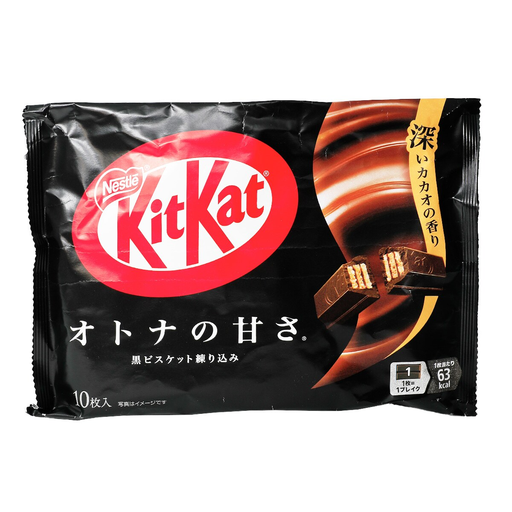 Image unavailable
The pack of ten is handy if you want to decide how many pieces to serve in advance. Check the nutritional information for that amount and, if you have allergies, check the labelling on the current pack.
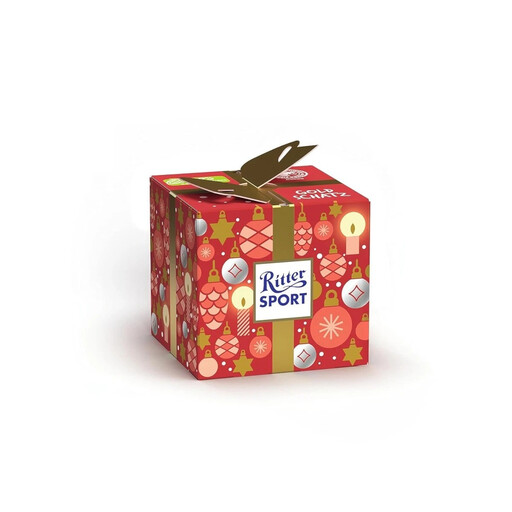 Image unavailable
These chocolate cubes are a good option if you’re looking for small pieces to share. To serve a set portion, check the number of pieces and the nutritional information on the pack; if you have allergies, check the ingredients and precautionary allergen information too.
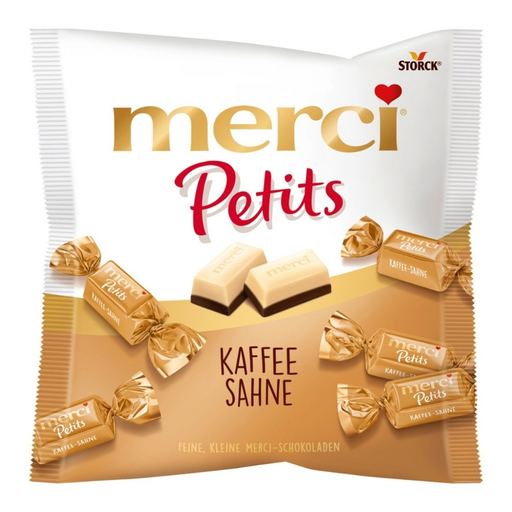 Image unavailable
These chocolate pieces filled with coffee cream are a different option from a simple mini bar. Before sharing them, check the filling ingredients and the per-piece information on the specific pack.
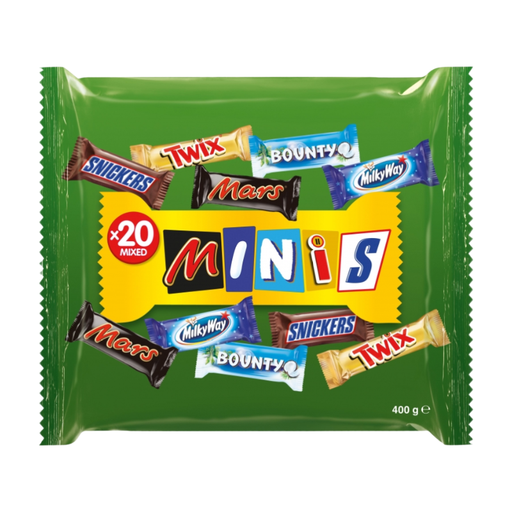 Image unavailable
This mini bar selection is ideal for sharing with people who have different tastes. Decide how many pieces to serve in the afternoon separately from the total pack size, and check the ingredients and nutritional information for the varieties inside.
No. The small format may make pieces easier to count, but what matters is deciding on the total amount beforehand. For children, the consumer advice centre recommends no more than one portion of sweets or snacks a day, with an amount that fits in a child’s hand.
Chocolate shouldn’t replace a proper snack. If your child is likely to be hungry after school or nursery, plan a snack and keep chocolate as an occasional sweet treat.
Read the ingredients list and highlighted allergens on the specific pack you’ve bought, and check which varieties it contains. The German Food Federation explains that a statement such as “May contain traces of …” refers to possible unintended presence, not confirmed presence.
Packaging aimed at children doesn’t make chocolate a suitable basis for meeting their nutritional needs. The consumer advice centre classifies sweets as something to enjoy; portion size, nutritional information and ingredients remain key when deciding what to buy.