What should you look for when buying?
For a long run, first work out how you’ll plan your carbohydrates and fluids. Then choose your chocolate portion based on the weight of each piece, the ingredients and when you want to eat it.
| What you’re looking for |
What to check |
Who it matters to |
| Fuelling for long runs |
Compare the carbohydrate information per 100 g or per piece, and plan your fluids separately. The DGE highlights the importance of carbohydrates during endurance exercise. |
When I’m packing for a long training run, I don’t want to treat my snack as my complete fuelling plan. Around 36% of consumers make this their main consideration. |
| Portion size and taking it with you |
Check the weight and number of pieces, and whether they’re individually wrapped. Lindt says chocolate can soften at temperatures above 23 °C. |
For a snack on the go, I want to know how much to pack and whether the pieces will stay protected before I set off. Portion size is the top priority for around 29% of consumers. |
| Ingredients and suitability |
Read the ingredients and allergen information on the specific pack; if it’s a mix, check each variety. |
If I need to avoid certain ingredients, the brand name alone isn’t enough to help me decide. Around 21% of consumers prioritise checking the specific variety. |
| Treats and choice of varieties |
Compare the varieties included and decide whether you’d prefer set individual portions or a mixture. |
After training, I might want a small selection to enjoy or share, without planning to use it as fuel for my next long run. Around 14% of consumers focus mainly on this treat factor. |
Brands and retailers to consider
These examples show how piece size, assortments and labelling can vary. When you’re buying, the information on the specific pack is what matters.
Kinder
Kinder provides nutritional information per piece for Schoko-Bons, as well as individually wrapped Kinder Chocolate bars.
- For Schoko-Bons, Kinder gives a piece weight of 5.8 g and 3.0 g of carbohydrates per piece. This makes it easier to count out a portion.
- According to Kinder, Schoko-Bons contain milk, soya and hazelnuts. Knowing the number of pieces doesn’t replace planning your fuelling for long runs.
Milka
Milka offers small chocolate pieces and assorted formats. Milka describes Favourites as a selection of 15 small pieces; REWE lists Milka Mini Chocolate Pieces in a 143-g pack.
- An assortment gives you different pieces to enjoy or share.
- According to the nutritional information listed by REWE, its 143-g assortment contains 32 g of fat per 100 g and lists several allergens. Check the ingredients and nutritional information for the pack you choose.
Schogetten
Schogetten could suit you if you’d rather break off pieces from a segmented bar than choose individually wrapped minis.
- The format lets you break off the amount you want from the bar in advance.
- Once opened, the individual pieces aren’t wrapped separately. If you’re taking them with you, you’ll need to find a suitable way to store them.
Lindt
Lindt offers mini pralines for small treats and gifting, including one variety specifically labelled ‘alcohol-free’.
- Different varieties and pack sizes give you options for different occasions.
- Fillings and ingredients vary by variety. The name ‘Mini Pralines’ alone doesn’t tell you whether a particular variety contains alcohol.
Ritter Sport
In 2019, Ritter Sport described its mini bars and Mini Nut Mix as a small bar format.
- A small bar makes it easy to see the portion you’ve chosen.
- If you’re considering a nut variety, check its ingredients before buying. The labelling on the specific product on offer is what counts for pack contents and recipe.
REWE
REWE is a retailer, not a single chocolate brand. Its product information can help you compare specific mini chocolate products.
- For products listed by REWE, you can compare the ingredients and nutritional information for each one.
- When deciding what to buy, check the specific pack and the information available for your location. A retailer’s listing doesn’t cover every variety from a brand.
Mini chocolate at Joybuy
This selection includes small chocolate bars, an assortment of bars and Schoko-Bons for planned snack portions as part of your training routine. Compare the pack or piece size given with the portion you have in mind; it’s still important to plan fuelling separately for long runs.
 No image available
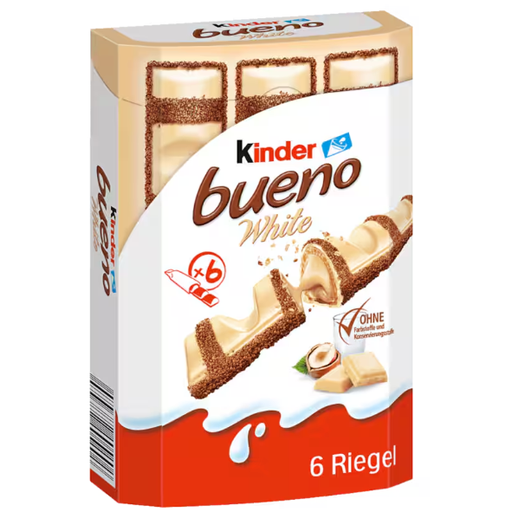
Kinder Bueno White, 6 × 19.5 g
If you’re planning a set chocolate snack, the 19.5 g bar size given in the product name is a useful starting point. For a more accurate nutritional plan, check the information on the specific pack; the piece weight alone doesn’t tell you how many carbohydrates it contains.
View at Joybuy
 No image available
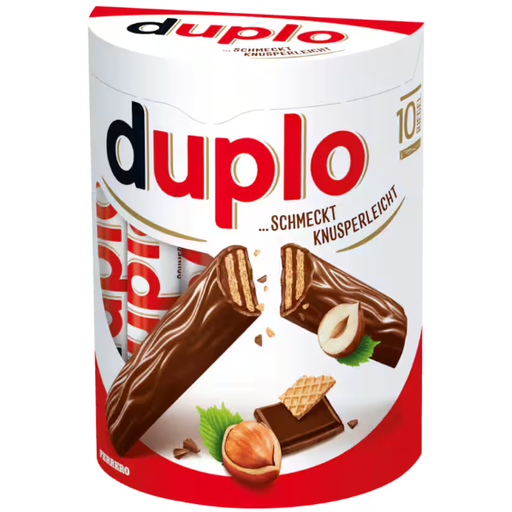
Kinder Duplo milk chocolate wafer bars, 10 × 18.2 g
If you want to set a portion for a snack, the product name gives the weight as 18.2 g per bar and ten bars per pack. You’ll also need the nutritional information on the specific pack to plan your carbohydrate intake.
View at Joybuy
 No image available
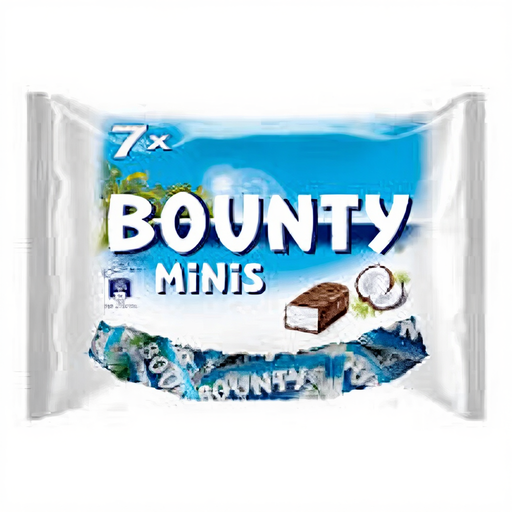
Bounty Minis with coconut filling, 227 g
The 227 g pack is an option if you’d like to choose small Bounty bars as a treat. If you want to plan an exact amount per mini, check the number and weight of the pieces on the pack; the total weight doesn’t tell you the size of each portion.
View at Joybuy
 No image available
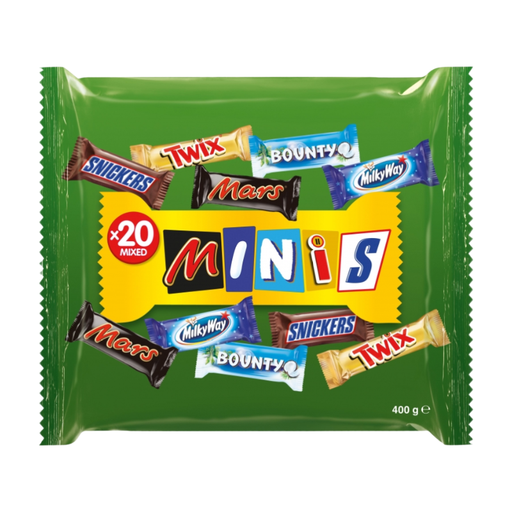
Mars Mixed Minis chocolate bar assortment, 400 g
The 400 g assortment is a good option if you’d like a choice of different mini bars for snack breaks, rather than just one variety. Before choosing a specific portion, check the ingredients, nutritional information and piece sizes for each variety.
View at Joybuy
 No image available
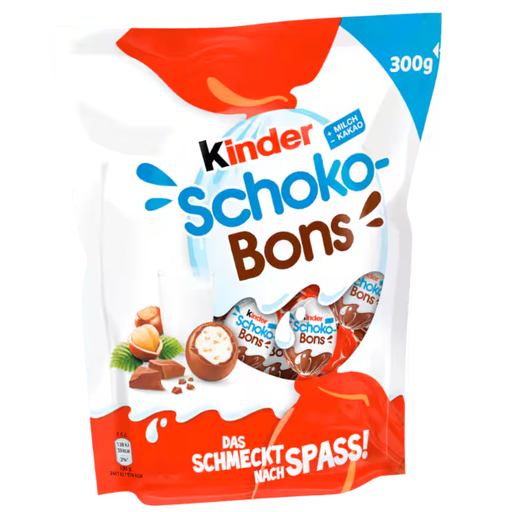
Kinder Schoko-Bons, 300 g
Schoko-Bons are an alternative to bars if you prefer individual pieces of chocolate as a snack. For a precisely measured portion, check the weight of each piece and the nutritional information on the specific 300 g pack, rather than using figures from another pack size.
View at Joybuy
Frequently asked questions
Is mini chocolate enough as the only fuel for a long training run?
No, you shouldn’t automatically plan it as your complete fuelling strategy. The DGE highlights the importance of carbohydrates for endurance exercise and treats fluid intake separately. If you want to eat chocolate during a run, check its nutritional information and try the solid snack during training first.
How can I decide on a chocolate portion in advance?
Use the weight of each piece and, if provided, the nutritional information per piece. For example, Kinder gives the weight of Schoko-Bons as 5.8 g, with 3.0 g of carbohydrates per piece. With a bar or an assortment, you can portion out the amount you want in advance; don’t assume figures for other varieties apply to your pack.
What should I check in the ingredients of mini chocolate?
Read the ingredients and allergen information on the pack you’re actually buying, especially with assortments. Kinder lists milk, soya and hazelnuts for Schoko-Bons; the Milka Mini Chocolate Pieces listed by REWE also include wheat, almonds and egg, among other ingredients. You can’t tell the ingredients of one variety from the brand name alone.
How should I take mini chocolate with me on warm training days?
Protect your portion from direct sunlight and heat. Lindt says chocolate can soften above 23 °C. So don’t leave it in a hot car, and when choosing your chocolate, consider whether you can keep the pieces protected on the way.
Are mini pralines always alcohol-free?
No, the mini format doesn’t tell you whether a product contains alcohol. Lindt specifically labels one variety ‘MINI PRALINES alcohol-free’. If you want to avoid alcohol, check the name and ingredients of the exact variety you’re buying.


