
Lieferung heute & morgen

Qualitätsgarantie

Willkommens-Angebote freischalten: KOSTENLOSE Lieferung | Bis zu 80 % RABATT | Kostenlose 30-Tage-JoyPlus-Testphase
App herunterladen
An electric food chopper promises quick help in the kitchen, letting you chop vegetables, grind meat, or mill nuts in seconds. But the reality is often different. Many devices turn out to be a poor investment, quickly gathering dust in a cupboard. As your Joybuy Product Recommendation Officer, I'll filter the essential information for you and show you what to look for to find a durable and genuinely useful appliance.
Marketing promises often sound tempting, but the devil is in the details. These three issues most frequently lead to disappointment:
To avoid these pitfalls, you should check three technical features before buying. These determine whether an electric chopper will be a genuine convenience or a source of frustration.
The power, specified in watts (W), is a key indicator of the device's performance.
Two or more speed settings offer additional control: a slow speed for coarse chopping (e.g., for salsa) and a fast speed for fine puréeing (e.g., for baby food or pastes).
The bowl material has a direct impact on hygiene, durability, and flavour neutrality.
The efficiency of a chopper depends heavily on its blades.
Here are some models that are well-suited for different needs based on objective features.

Why This Fits Their Persona: Ideal for families who process both small and large quantities. With two separate bowls and blade sets, you can chop onions and fruit one after the other without mixing flavours.
The two glass bowls prevent odour transfer and staining. The detachable stainless steel blades and dishwasher-safe bowls ensure easy, hygienic cleaning.
Two separate glass bowls (2L + 0.6L) and two blade sets for maximum flexibility. Two speed settings for precise texture control.
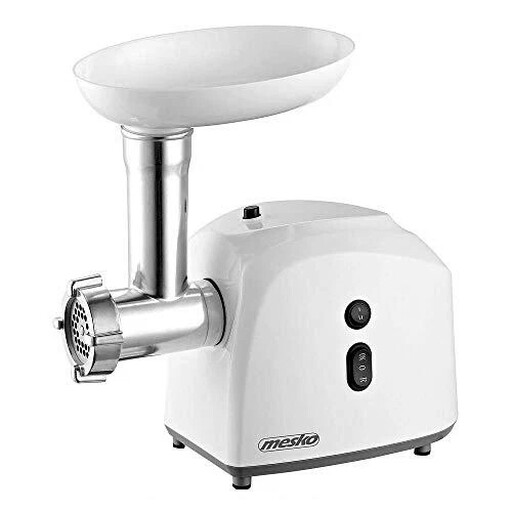
Why This Fits Their Persona: Perfect for those who regularly make their own minced meat or create their own sausages. This appliance is specialised for meat processing and offers the necessary power and accessories.
With a nominal power of 600W (1500W max), the motor won't overheat even with larger quantities of meat. The robust stainless steel construction is durable, and the detachable parts are designed for thorough cleaning.
High motor power and a processing capacity of 1 kg/minute. Includes three grinding plates (3, 5, 7 mm) and a sausage stuffer attachment for versatile meat preparation.
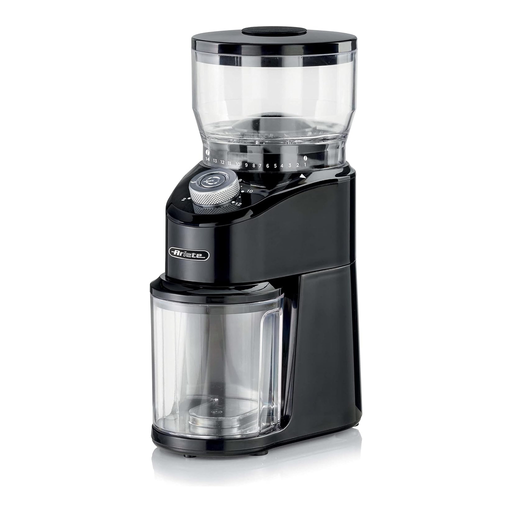
Why This Fits Their Persona: For coffee drinkers who value fresh aroma. This device is specifically designed for grinding coffee beans and, thanks to its conical burr, delivers a uniform grind, which is crucial for espresso and filter coffee.
Unlike all-purpose choppers with impact blades, the conical burr barely heats the beans, thus preserving the volatile aromas. The 14 grind settings allow for precise adjustment to the respective brewing method.
Stainless steel conical burr for a uniform, aroma-preserving grind. 14 adjustable grind settings from fine to coarse. Removable parts make cleaning easier.
We've compiled a complete, up-to-date list of products that fully meet these strict selection criteria and safety regulations.
Always unplug the appliance before cleaning. Carefully remove the blade assembly—the blades are extremely sharp. The bowl, lid, and blades on many models are dishwasher-safe, but always check the manufacturer's instructions. The motor unit must never be submerged in water; simply wipe it with a damp cloth.
Technically, it's possible, but not recommended. An electric vegetable cutter or multi-chopper uses impact blades that shatter the beans unevenly. This results in a mix of overly fine powder and coarse chunks, which negatively affects the coffee's taste. For optimal aroma, a dedicated coffee grinder, ideally one with a conical or flat burr system, is the right choice.
For occasionally making minced meat from softer cuts (e.g., poultry or beef), a device with a nominal power of around 500-600 watts is sufficient. If you plan to regularly process larger quantities, tougher or sinewy meat, or make sausages, you should consider a model with a nominal power of 800 watts or more to prevent the motor from overheating.