What should you look for when choosing one?
First decide on your portion size and desired texture. Then check the power source, workspace and care instructions for each component.
| What you need |
What to check before buying |
Who it matters most to |
| Portion and bowl size |
Compare the amount you plan to prepare with the model’s filling guidance and the worktop space available. |
If I’m preparing small portions of beetroot for a class, I don’t want an unnecessarily large bowl taking up space on the table. Around 33% of consumers prioritise a suitable portion size. |
| Desired texture |
Decide what the recipe calls for and check whether the instructions describe chopping or puréeing. If you need even cubes, plan to use a suitable cutting method. |
If the recipe calls for chunky beetroot, I don’t want to end up with a fine purée by mistake. Around 27% of consumers prioritise the texture required by the recipe. |
| Cleaning between preparation stages |
Check the care instructions for the bowl, blade, lid and motor separately. |
When preparing several ingredients for a class, I want to be able to clean the right parts of the appliance without guesswork. Around 20% of consumers pay particular attention to how much cleaning is involved. |
| Power source and workspace |
Check for a socket and enough space, or consider whether repeated pulling is suitable for the amount you plan to prepare. |
If there isn’t a suitable socket at the class venue, I could use a manual model; with access to power, an electric appliance can save repeated manual effort. Around 20% of consumers prioritise the power source at their workspace. |
Joybuy’s selection for small amounts and class portions
This selection includes compact electric choppers and a manual model for preparing ingredients in class-sized portions. For each appliance, check that the parts intended to come into contact with food comply with the relevant EU regulations.
 No image available
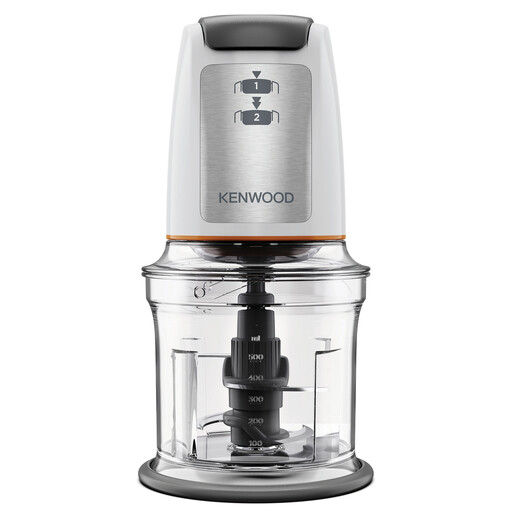
KENWOOD Easy Chop CHP61.100WH
An electric option for small class portions, if there’s a socket available at your workspace.
0.5 l bowl; 500 W; two speed settings. Wattage alone doesn’t tell you what result to expect with cooked beetroot.
View at Joybuy
 No image available
Bear Electric Food Chopper QSJ-D03Q1
Two bowl sizes give you a choice if the amount you’re preparing varies between stages.
Two glass bowls: 2 l and 0.6 l; 300 W. According to the product information, the bowls and lids aren’t heat-resistant; avoid temperature changes of more than 50 °C.
View at Joybuy
 No image available
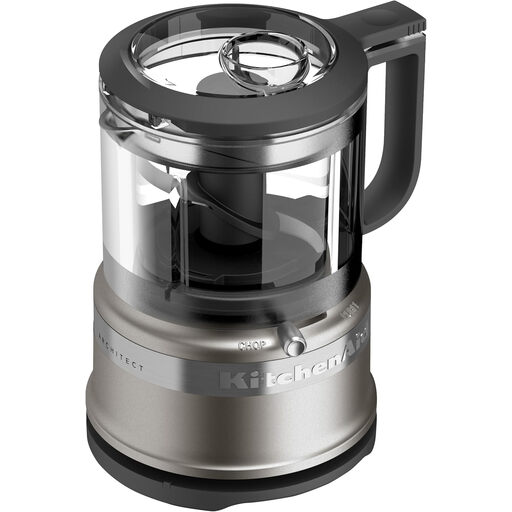
KitchenAid 5KFC35616ECU Mini Food Processor
A compact electric option if there’s a power socket at the class venue.
240 W; two speed settings; colour: Contour Silver.
View at Joybuy
 No image available
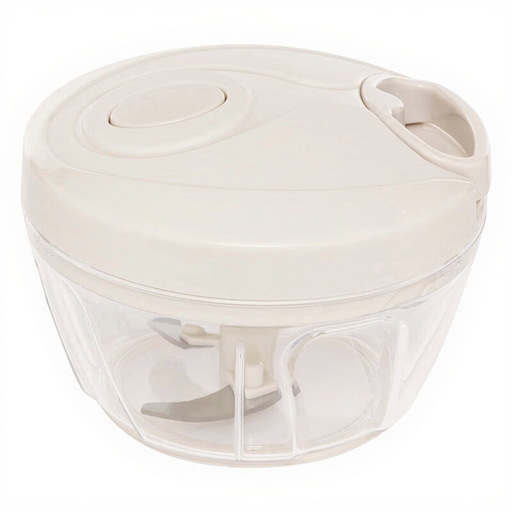
5five Mini Food Processor
The manual pull-cord mechanism may suit you if there’s no socket at the class venue and you’re prepared to put in some manual effort.
View at Joybuy
 No image available
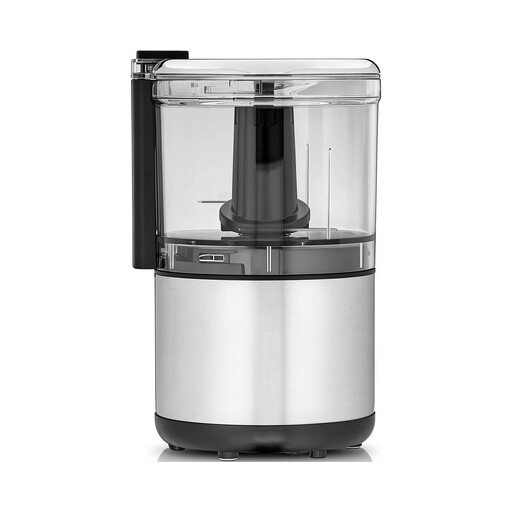
Electric Chopper, 65 W
A compact electric option, provided there’s a power socket at your workspace.
65 W; removable bowl; parts are listed as dishwasher-safe in the product information.
View at Joybuy
Frequently asked questions
Can I use a mini chopper to make evenly diced beetroot?
The documented chopping, pull-cord and pulse functions don’t indicate that the appliance can dice ingredients. If your class recipe calls for evenly sized cubes, plan to use a suitable cutting method.
Which parts can I put in the dishwasher after the class?
It depends on the model and the component. For the K13304, Tefal says the bowl and blade are dishwasher-safe, but the pull-cord lid is not. For the KÜCHENminis model, WMF lists the container, lid and blade. Follow the care instructions for your specific appliance.
How should I store cooked beetroot before the class?
For leftovers in private households, the German Federal Institute for Risk Assessment recommends keeping them in the fridge and using them within two to three days. This advice applies to private households; the phrase “weekend cookery class” alone doesn’t establish the requirements for commercially organised catering.
What are the rules in Germany for food contact and CE marking?
Materials that come into contact with food must comply with the relevant EU regulations, including Regulation (EC) No 1935/2004. The European Commission notes that CE marking is only required for products covered by harmonised EU rules that require it. So check the requirements that apply to the specific appliance. CE marking alone doesn’t prove a particular chopping result or that its food-contact parts comply with the regulations.
What should I know if the appliance is faulty or I’m buying online?
Your statutory rights in the event of a fault are generally against the seller and are separate from any voluntary guarantee. Online purchases usually come with a 14-day right to cancel, starting from the day you receive the goods. Check the terms of your specific purchase; you have separate rights if goods are faulty, damaged or not as described.


