Which brands are worth considering?
The details below relate to the product ranges mentioned and are not a general assessment of every model from each brand.
Kenwood
The Easy Chop range is designed for small quantities, while the MultiPro Compact adds functions for other kitchen tasks.
- Kenwood lists a 500 ml capacity for the Easy Chop CHP61.100WH. For the FDP31.360GY, the manufacturer lists a 2.1-l bowl and additional accessories.
- These details don’t prove that both models perform equally well with bread. The bowl and accessories on the more versatile model need storage space.
Bosch
The MMR08A1 is a standalone universal chopper for anyone who doesn’t need additional food processor functions.
- Bosch lists a stainless steel blade, pulse operation and dimensions of 250 × 195 × 195 mm for the MMR08A1.
- This doesn’t establish that the model is suitable for specific types of bread or crumb sizes.
Rommelsbacher
The MZ 500 is a chopper with a glass bowl. Its capacity and removable parts may be worth considering when comparing models.
- Rommelsbacher lists a 1.5 l glass bowl and removable parts that are dishwasher-safe.
- The manufacturer’s description of its noise level isn’t an independent comparison of noise levels.
WMF
The KÜCHENminis model is designed for very small quantities, while the Kult X Food Processor Edition offers additional functions.
- WMF lists a capacity of 0.3 l and dishwasher-safe removable parts for the KÜCHENminis chopper. According to WMF, the Kult X Food Processor Edition has additional attachments for chopping and kneading.
- The small capacity limits batch size. With the more fully equipped model, bear storage space and cleaning in mind; check the specific model’s instructions separately for processing bread.
Joybuy products at a glance
This selection includes choppers with different bowl sizes and functions, as well as a replacement part for the Thermomix TM31. Check the instructions for each appliance before using it to process bread or make breadcrumbs.
 No image available
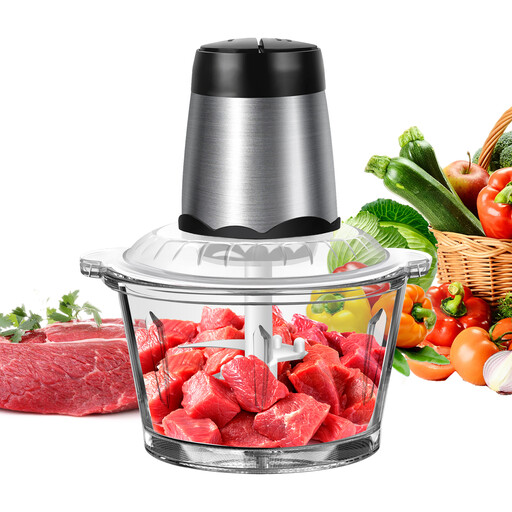
Electric chopper with 2-l glass bowl
Worth considering for comparison if you’re also looking for an appliance to process other ingredients; the instructions should explicitly say that it can process bread.
The product title specifies a 2-l glass bowl and stainless steel blades.
View at Joybuy
 No image available
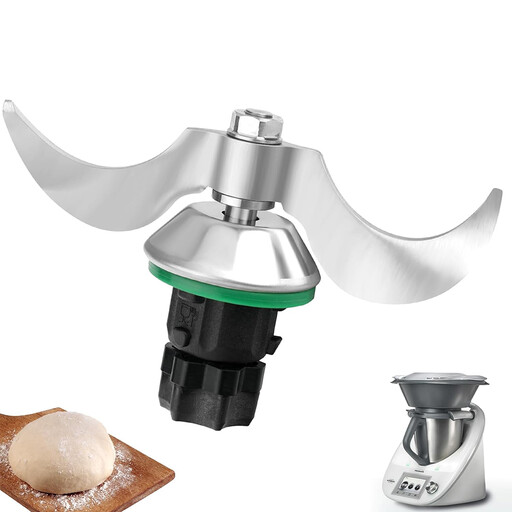
Replacement dough blade for Thermomix TM31
Only relevant if you already own the compatible appliance and need a replacement part; this isn’t a standalone chopper.
The product title describes the blade as a replacement part for Thermomix TM31.
View at Joybuy
 No image available
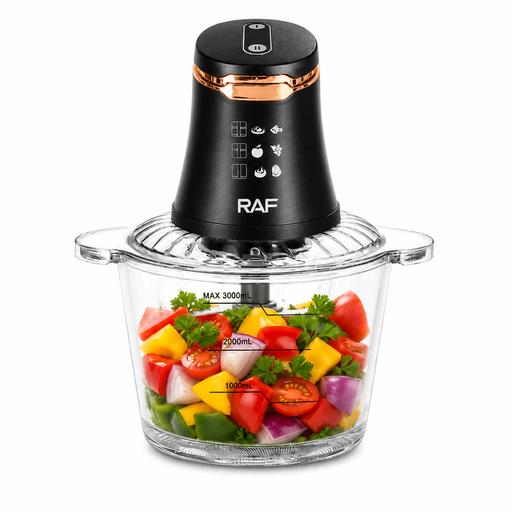
Electric food chopper, 3 l, 2 speeds
Worth comparing if you want to chop ingredients other than breadcrumbs too; check the instructions for the recommended quantity of bread.
The product title specifies a 3-l bowl and two speeds.
View at Joybuy
 No image available
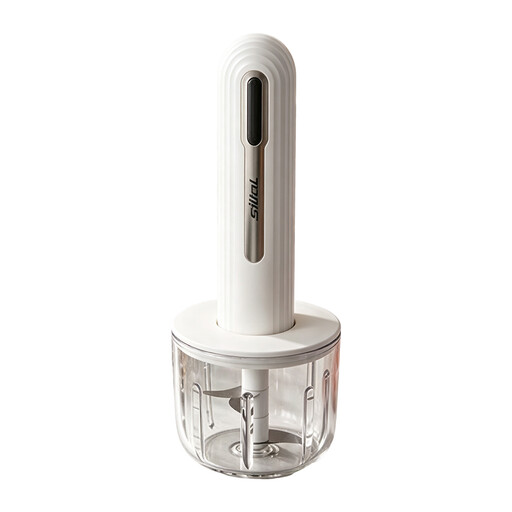
Cordless mini chopper
A compact type of appliance to compare if you want to handle small kitchen tasks; check the instructions for the specific model before using it with bread.
The product title specifies a cordless mini chopper with a transparent bowl.
View at Joybuy
 No image available
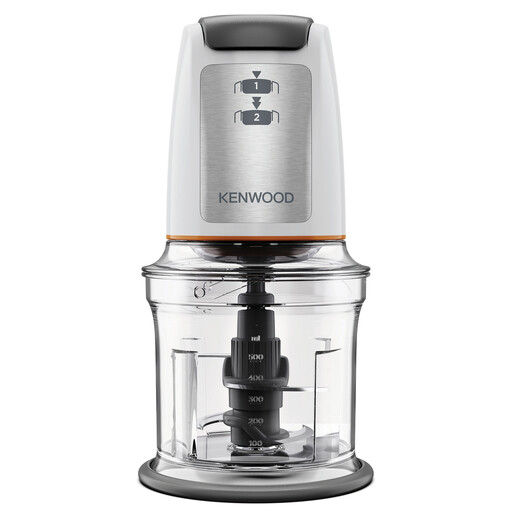
Kenwood Easy Chop CHP61.100WH
Worth comparing as a mini chopper for small quantities of breadcrumbs; work in batches and follow the filling guidance for this specific model.
The product title specifies a 0.5-l bowl and two speeds.
View at Joybuy
Frequently asked questions
How should I go about chopping bread?
First, check the instructions for your specific appliance. In its general guidance for making breadcrumbs, Kenwood recommends using slightly stale rather than very fresh bread and working in batches to avoid overfilling the chopper. A Kenwood recipe also describes using the pulse function with the blade; this isn’t a guarantee that the same method will work with every model.
What’s important when preparing gluten-free food in a shared kitchen?
If someone has coeliac disease, use suitable gluten-free ingredients and clean utensils that haven’t been contaminated with gluten. The German Coeliac Society recommends using a separate workspace where possible. A dishwasher-safe label alone doesn’t prove that the entire shared preparation area was free from contact with gluten.
Can the blades and motor unit go in the dishwasher?
Only put parts in the dishwasher if the instructions for that specific model explicitly say they’re suitable. Kenwood lists certain Easy Chop parts as dishwasher-safe; Rommelsbacher gives similar guidance for removable parts. This doesn’t mean the motor unit or parts from other models are dishwasher-safe.
What are my rights if an appliance is faulty?
When you buy from a trader in the EU, you’re entitled to a legal guarantee of at least two years from the date you receive the goods. The European Union notes that these rules don’t apply to purchases from private individuals. Any additional manufacturer’s guarantee is separate.
What should I look for when it comes to product safety?
Check the markings and details on the specific appliance being offered. The European Union lists electrical and electronic equipment as a product category for which CE marking is relevant under the applicable rules. CE is the manufacturer’s declaration of conformity, not an independent quality mark for making breadcrumbs.


