A compact chopper is a sensible starting point for a small amount of olive tapenade. If you regularly make larger quantities, a bigger capacity may be more practical, but it doesn’t tell you the minimum amount you can chop. When different people take turns cooking, it’s also worth checking the care instructions for every individual part. For perishable foods, the Federal Institute for Risk Assessment recommends keeping them covered in the fridge at 2 to no more than 7 °C.
Who is a mini chopper suitable for?
Small portions of tapenade
If you only make a little spread, you’ll often want to clean a compact bowl. Kenwood describes the Easy Chop CHP61.100WH as suitable for small quantities; however, its stated bowl capacity doesn’t confirm a minimum filling quantity for olives.
Taking turns cooking at different times
If several people prepare ingredients in turn, or the dip will be eaten later, clear cleaning routines and suitable chilled storage are important. The Federal Institute for Risk Assessment recommends keeping perishable foods covered at 2 to no more than 7 °C.
Larger quantities for several people
If you regularly make more dip at once, you could consider a larger bowl and make sure you have enough space for it on your worktop and for cleaning. Rommelsbacher lists a 1.5-l glass bowl for the MZ 500.
What should you look for when buying?
First compare your usual portion size, then consider ease of use and cleaning when you’re sharing the cooking.
| Buying consideration |
What to check before buying |
Who will find this especially important? |
| Small recipe quantities |
Compare the recipe quantity with the bowl size and any model-specific guidance on small quantities. |
If you usually make only a little tapenade, you won’t want to clean an unnecessarily large bowl. Around 33% of consumers put small portions at the top of their list. |
| Cleaning and sharing |
Check the care instructions for every individual part; if you’ll be eating it later, plan for chilled storage. |
If you share an appliance with other people, you’ll need a clear routine between preparation steps. Around 27% of consumers prioritise easy cleaning when an appliance is shared. |
| Tapenade texture |
Consider the controls and how easily you can see the contents; try out your preferred consistency using suitable quantities and short processing intervals. |
If you want to control the texture to suit your own recipe, look for easily controlled processing. Around 20% of consumers say texture control is their top priority. |
| Several portions at once |
Compare the recipe quantity with the filling guidance in the manual and the space available on your worktop. |
If you regularly prepare food for several people, you’ll want to chop more spread in one batch. Around 13% of consumers prioritise larger quantities. |
| Using it without a socket |
Check whether manual operation and caring for the individual parts suit your routine. |
If you want to work without needing a free power socket, you may be happy to pull the cord repeatedly. Around 7% of consumers put socket-free preparation first. |
Avoid common buying mistakes
-
Choosing a large model for just a few olives simply because of its capacity
Rommelsbacher recommends a different appliance for small quantities of pesto; this doesn’t establish a specific minimum quantity for olive tapenade. The stated capacity alone therefore doesn’t tell you whether it will handle a small recipe quantity well.
First check the portion size you usually make, then read the guidance for the specific model.
A larger appliance may need more worktop and cleaning space.
-
Assuming “dishwasher-safe” applies to the whole appliance
For the Tefal K13204, the manufacturer says the bowl and blade are dishwasher-safe, but the lid should only be wiped with a damp cloth.
Check the care instructions for every component, especially if several people will use the appliance in turn.
The lid on this model needs to be cleaned by hand.
-
Treating oil-based tapenade like a preserve that can be stored without refrigeration
The Federal Institute for Risk Assessment warns against storing homemade vegetable or herb preparations in oil, particularly if they will be eaten without being heated. The relevant guidance depends on the ingredients in your particular recipe.
Plan preparation and chilled storage around when you intend to eat it; don’t treat a recipe as a preserved product without good reason to do so.
A guide to relevant brands
Kenwood
The Easy Chop CHP61.100WH is an electric option for smaller quantities and dips.
- Kenwood lists a 500 ml capacity, 500 W power and two speed settings for this model.
- These specifications don’t confirm a minimum filling quantity or a particular result with just a few olives.
WMF
The KÜCHENminis 0.3 l chopper is a compact electric option with a bowl.
- WMF lists a removable double-blade insert, one-handed operation and removable dishwasher-safe parts.
- The stated capacity doesn’t tell you the minimum quantity of olives it can process.
Tefal
The manual 5-second chopper K13204 uses a pull cord rather than a power socket.
- According to Tefal, the model has a transparent 900 ml bowl; pulling the cord repeatedly affects how finely the ingredients are chopped.
- The manufacturer says the bowl and blade are dishwasher-safe, but the lid should only be wiped with a damp cloth.
Rommelsbacher
With its 1.5-l glass bowl, the MZ 500 is designed for larger batches than a compact bowl.
- Rommelsbacher lists removable dishwasher-safe parts and a 1.5 l glass bowl.
- The manufacturer recommends a different appliance for small quantities of pesto; this isn’t a tapenade test and doesn’t define a minimum quantity.
Joybuy products for tapenade and other quantities
The products below range from compact electric choppers to models for larger quantities. For the Bear Table Blender, the separately described chopping cup is the relevant part for small chopping tasks.
 No image available
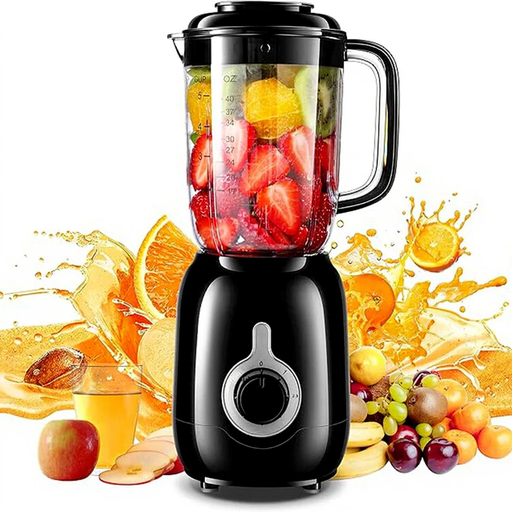
Bear Electric Food Chopper QSJ-D03Q1
Two bowl sizes give you options for different preparation and cleaning routines; check the manual for the recipe quantity you need.
Two glass bowls: 2 l and 0.6 l; 300 W.
View at Joybuy
 No image available
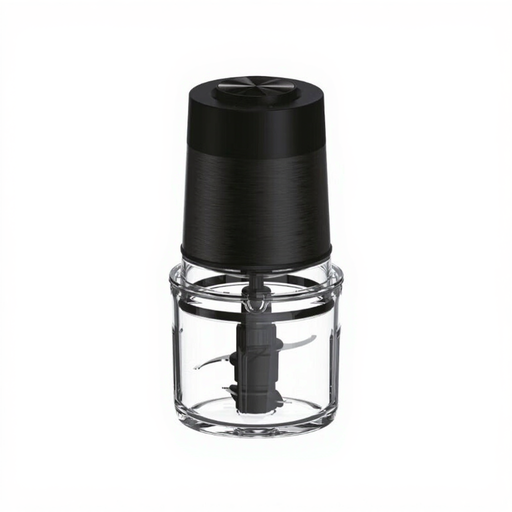
Bear Table Blender LLJ-B12K1
The separately described 100 g chopping cup is useful for small preparation tasks; the 1.2 l jug is a separate accessory.
1.2 l; 500 W; two speeds and pulse function; four stainless steel blades.
View at Joybuy
 No image available
Haier HCH5B1 011 Chopper
The 0.5 l glass bowl is a compact size for smaller preparation tasks; check your specific recipe quantity against the model guidance.
0.5 l; four stainless steel blades.
View at Joybuy
 No image available
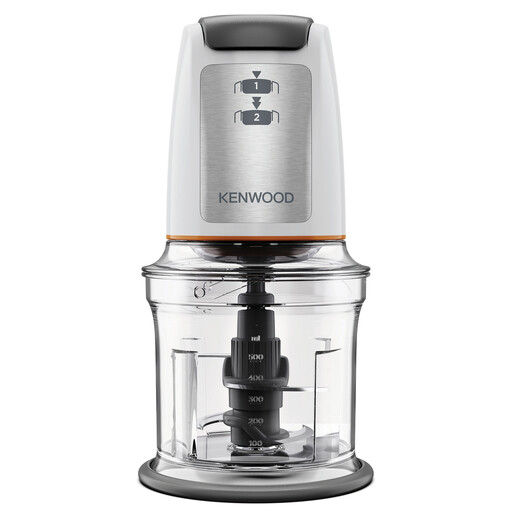
Kenwood Easy Chop CHP61.100WH
Kenwood describes this model as suitable for small quantities. Two speed settings give you different ways to operate it, but don’t guarantee a particular tapenade consistency.
500 ml; 500 W; two speed settings.
View at Joybuy
 No image available
Bear Electric Food Chopper QSJ-D03W5
The 2 l glass bowl is designed for larger batches; check that its capacity suits your recipe quantity and the space you have available.
2 l; 300 W; two speeds; four 304 stainless steel blades. Run for no more than 40 seconds at a time, then leave it to rest for at least 2 minutes; after three cycles, allow it to cool for 15 minutes. Do not immerse the main unit in water.
View at Joybuy
Frequently asked questions
Can I simply use the chopper with the largest bowl for a small portion?
No. Don’t decide on capacity alone: it doesn’t tell you the minimum quantity for your tapenade. Compare your usual recipe quantity with the guidance for the specific model.
How should I clean a chopper if several people use it in turn?
Follow the care instructions for every individual part and clean any parts that come into contact with food between different preparations. For the Tefal K13204, the manufacturer says the bowl and blade are dishwasher-safe, but the lid should only be wiped with a damp cloth; this doesn’t automatically apply to other models.
How should we store prepared tapenade if we’re eating it later?
The Federal Institute for Risk Assessment recommends keeping perishable foods covered in the fridge at 2 to no more than 7 °C. It also specifically warns against storing homemade vegetable or herb preparations in oil, particularly if they will be eaten without being heated. Check which guidance applies to your particular recipe, and don’t treat the spread as a preserved product without good reason to do so.


