If you’re sharing breakfast
Small biscuits are easy to serve at the table. If there are any left after breakfast, how the pack is divided and the storage instructions matter more than the size of an individual biscuit.


For mini cookies at Sunday breakfast, the size of each biscuit alone is not a reliable guide. Compare the nutrition information per 100 g, any portion information provided, and the ingredients and allergens. If several people will be sharing, a resealable pack or individually wrapped portions can be handy, but neither tells you how much will ultimately be eaten.
Small biscuits are easy to serve at the table. If there are any left after breakfast, how the pack is divided and the storage instructions matter more than the size of an individual biscuit.
Nutrition information per 100 g makes it easier to compare a sweet accompaniment to coffee, yoghurt or fruit. Any portion information also shows the amount used as the basis for those figures.
If you have specific dietary requirements, check the ingredients list, highlighted allergens and any ‘may contain’ warnings on the pack you’re actually buying. The mini format doesn’t tell you anything about these.
Start by comparing nutrition information on the same basis. Then check whether the pack format and ingredients suit your breakfast table.
| What matters | What to check | Who it matters to |
|---|---|---|
| Sugar and energy | Compare sugar and energy per 100 g, and also check any portion information provided. If the pack says ‘no added sugar’, read the ingredients list too. | If I want to gauge how much of a sweet accompaniment I’m having, the number of biscuits alone isn’t enough. This is a priority for around 45 % of consumers. |
| Sharing and storage | Check whether the pack is resealable or divided into individual packs, as well as the instructions for storing opened packs. | When we’re sharing breakfast, I want to be able to offer biscuits without leaving leftovers open for too long. This is a priority for around 33 % of consumers. |
| Ingredients and allergens | Read the ingredients list, highlighted allergens and any ‘may contain’ warnings on the specific pack. | If certain ingredients need to be avoided in my household, the labelling on the version I buy is what matters. Around 22 % of consumers put this check first. |
The German consumer advice centre Verbraucherzentrale recommends checking the nutrition table and ingredients list for sugar information. Portion information can add to a comparison per 100 g, but it doesn’t replace it: portions can vary in size from one product to another.
Several small biscuits can add up to a larger portion. REWE says that 30 g of Milka Mini Cookies is around twelve small biscuits, providing 141 kcal and 12 g of sugar.
Decide how much you want to serve, then check the nutrition information both per 100 g and for any portion stated on the pack.
The two claims don’t mean the same thing. Lebensmittelklarheit explains that ‘no added sugar’ means no sugar has been added for sweetness; the ingredients may still include sweeteners such as sugar substitutes.
Compare the sugar and energy information, and check the ingredients for the specific version. For example, Gullón lists maltitol in its Mini Cookies Zero.
Even a product labelled gluten-free may contain other ingredients or carry ‘may contain’ warnings that matter to you. Gullón lists soya lecithin and possible traces of milk for ChocoBom Cacao Sin Gluten.
Check the ingredients list and highlighted allergens on the pack you’re actually buying, and look out for any ‘may contain’ warnings.
These examples relate to specific product ranges and places to shop, rather than all products from a brand.
Leibniz offers mini biscuit options with different recipes and pack formats.
Griesson Cookies Minis are an option if you’re looking for a cookie with chocolate chips.
Gullón describes a range of biscuits to suit different preferences for recipes and pack formats.
These retailers provide product information for specific mini cookies; they aren’t cookie brands in their own right.
These mini biscuits could make a sweet accompaniment to a shared Sunday breakfast. Before choosing, compare the pack size and the labelling for each version in particular.
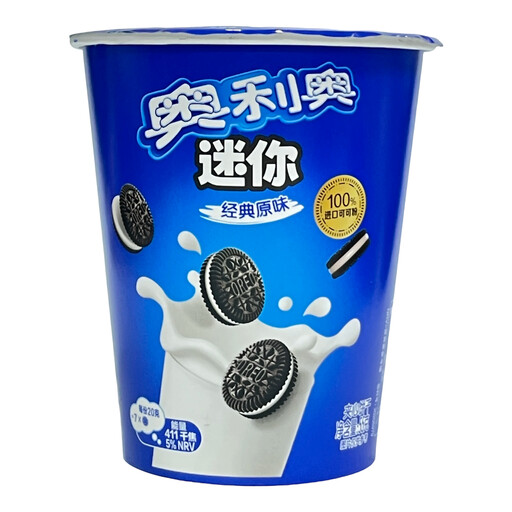 No image available
The mini format is handy for serving small biscuits at the breakfast table.
The pack contains 55 g. To compare sugar and energy, check the nutrition information on the pack available and decide for yourself how much you’d like to serve.
If you have allergies, check the ingredients and any ‘may contain’ warnings on the specific pack.
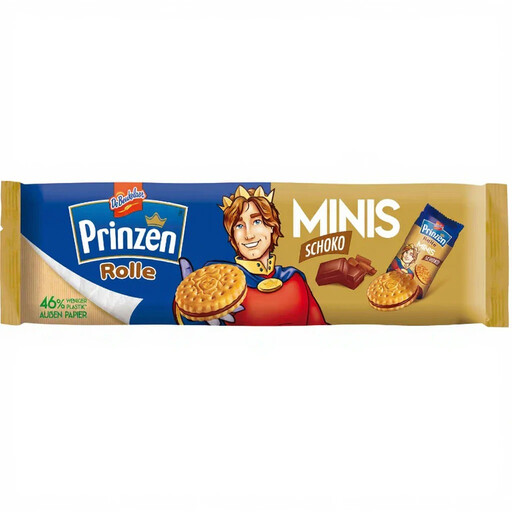 No image available
These mini biscuits could be a good choice if you’d like to serve a sweet accompaniment in a smaller biscuit format.
The product name states 5 × 37,5 g. If you’re sharing them at the table, check how the units in the specific pack are divided.
Follow the storage instructions for after opening, and check the ingredients and ‘may contain’ information.
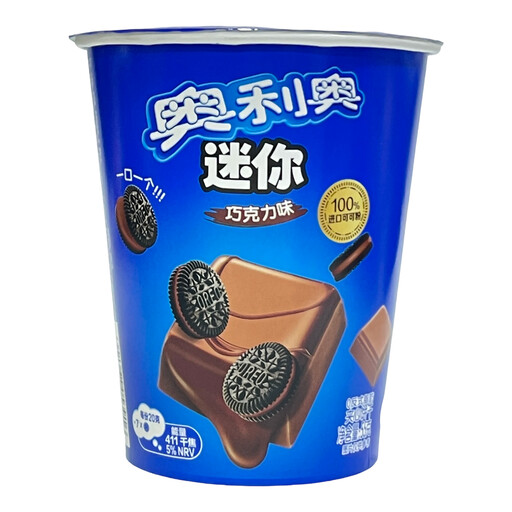 No image available
This chocolate version in a mini format can be served as a sweet accompaniment at the breakfast table.
The pack contains 55 g. If sugar content is a deciding factor for you, compare the nutrition information on the specific pack before making your choice.
If you have allergies, check the ingredients and any ‘may contain’ warnings too.
No, what matters is the total amount you eat. For example, the Milka Mini Cookies described by REWE amount to around twelve small biscuits per 30 g. Portion information can help you get your bearings, while figures per 100 g let you compare products on the same basis.
No, ‘no added sugar’ and ‘sugar-free’ are different claims. Lebensmittelklarheit explains that no sugar is added for sweetness in products labelled ‘no added sugar’, but other sweetening ingredients, such as sugar substitutes, may still be used. So check the ingredients list and nutrition information on the pack.
Read the ingredients list and highlighted allergens on the specific pack, along with any ‘may contain’ warnings. The European Food Safety Authority explains how allergens used as ingredients in food must be labelled. A claim such as ‘gluten-free’ doesn’t also answer questions about soya or milk.
No, a gluten-free claim alone says nothing about all the other ingredients. Gullón describes ChocoBom Cacao Sin Gluten as gluten-free, but lists soya lecithin and possible traces of milk for this version. Always check the labelling on the pack you’re actually buying.
Follow the storage and use-by instructions on the specific pack. EDEKA24 says Griesson Cookies Minis should be stored in a dry place, away from heat, and eaten within a few days of opening. Resealable packaging makes storage easier, but doesn’t replace these instructions.