For fresh batches
If you need a little breadcrumb at different mealtimes, a small bowl may be all you need for each batch. Check how easy the removable parts are to clean after use.


For small batches made as and when you need them, a compact, easy-to-clean food processor is likely to be the better choice. If you’re preparing breadcrumbs for several meals, a larger bowl may be more useful, but it will take up more space. Check the actual batch size and look for controls that let you adjust how finely the ingredients are chopped – wattage alone doesn’t guarantee a particular result with dry bread. The Federal Centre for Nutrition recommends using dry bread leftovers; according to the recipe from Selbstgemacht – Der Foodblog, the crumbs should be completely dry before you store them.
If you need a little breadcrumb at different mealtimes, a small bowl may be all you need for each batch. Check how easy the removable parts are to clean after use.
If you collect dry bread leftovers and want to make breadcrumbs for several meals, compare the batch size you need with the bowl capacity. Breadcrumbs must be completely dry before storage.
If you only use a food processor now and then, make sure its footprint and controls suit your kitchen. A manual model doesn’t need a power socket; with an electric model, choosing the right bowl capacity is key.
| What you need | What to check | Who is it important for? |
|---|---|---|
| Small batches | Bowl capacity and how easy the removable parts are to clean. | If I only need a little breadcrumb at different mealtimes, I don’t want to clean an unnecessarily large bowl. Around 40% of consumers put making small fresh batches first. |
| Making a supply from leftover bread | The amount you want to process at a time and dry storage. | If I’m preparing breadcrumbs for several meals, the right batch size matters more than choosing the smallest appliance. Around 30% of consumers prioritise making a supply in advance. |
| Texture and cleaning | Controls for adjusting how finely ingredients are chopped, and removable or dishwasher-safe parts. | If I want different types of breadcrumb between uses and plan to clean the appliance regularly, I check the controls and care instructions. Around 20% of consumers prioritise texture and cleaning. |
| Space and controls | Dimensions and storage space; for manual models, check how they work without electricity. | If I only use the food processor occasionally, it needs to suit the space I have and the way I want to use it. Around 10% of consumers prioritise space requirements and the effort involved in buying one. |
Wattage alone doesn’t tell you what texture you’ll get with dry bread. Adjustable controls also don’t prove what the result will be with your type of bread.
Compare the bowl size and controls with the batch you usually make. Also check which ingredients and functions the manufacturer lists for the specific model.
According to the recipe from Selbstgemacht – Der Foodblog, residual moisture can encourage mould to grow in the storage jar. The Federal Centre for Nutrition advises throwing away any mouldy bread completely.
Let the breadcrumbs dry completely before putting them away, and never use mouldy bread.
Breadcrumbs stored while damp can spoil and become unusable.
A general food processor test by the F.A.Z. doesn’t tell you whether a 1.5-litre bowl is suitable for small individual batches.
Compare your usual batch size with the bowl capacity of the specific model.
A larger bowl takes up more space and can mean extra cleaning when you’re making small batches.
The KÜCHENminis food processor has a 0.3-l bowl and is designed for small quantities.
According to the manufacturer, the KM 3865 has a 0.5-l bowl and a control for adjusting how finely ingredients are chopped.
According to the manufacturer, the MZ 500 has a 1.5-l glass bowl, making it more suitable for larger batches.
The MMR08A1 is an electric multi-purpose food processor with a pulse switch.
According to the manufacturer, the HR1503/00 has a 2-l bowl and two speed settings.
The range includes electric food processors for small to medium quantities, a manual food processor and a hand blender set with a chopper bowl.
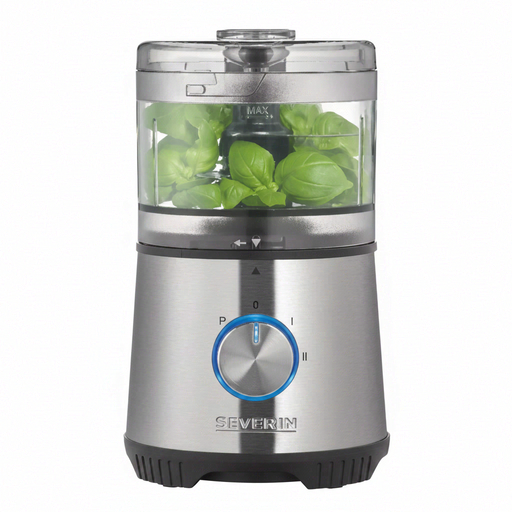 No image available
For regular chopping tasks when you want to choose between speed settings and the pulse function.
0.5-l bowl; two speed settings and pulse function.
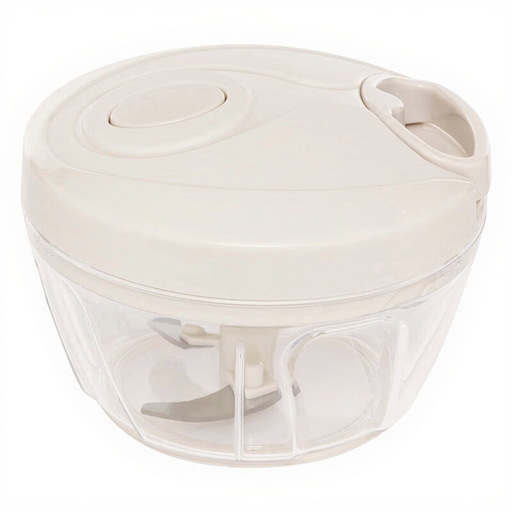 No image available
For occasional chopping without a power socket: this appliance is operated manually using a pull mechanism.
The product description lists a transparent bowl.
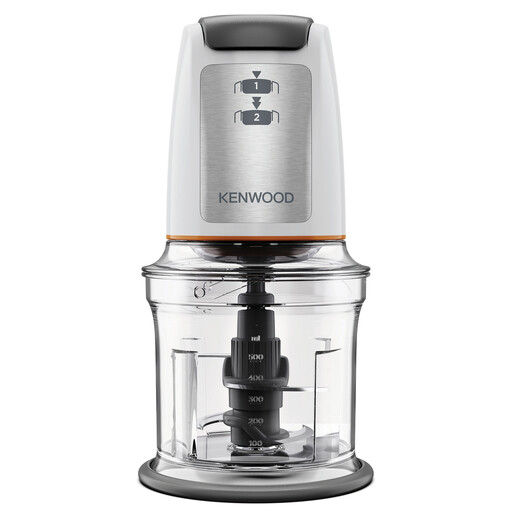 No image available
The product description lists breadcrumbs as a suitable use, making this model an option for the task.
0.5-l working bowl; two speed settings.
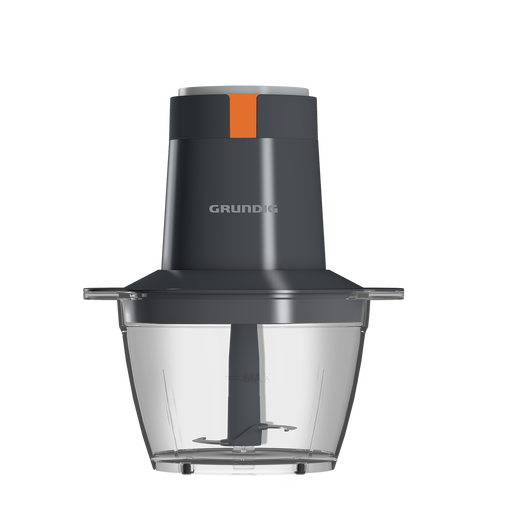 No image available
For smaller quantities, if a glass bowl and removable blades suit your cleaning preferences.
0.5-l glass bowl; two speeds; removable stainless steel blades. The product description says the glass bowl is dishwasher-safe.
 No image available
For shoppers considering a hand blender set as well as a chopper bowl.
The set includes a separate 500-ml chopper bowl and, according to the product description, offers two speed settings.
Use dry bread that isn’t mouldy. The Federal Centre for Nutrition recommends dry bread leftovers; if you can see mould, the whole loaf must be thrown away.
Let the breadcrumbs dry completely before putting them away. The recipe from Selbstgemacht – Der Foodblog recommends storing them in a dry, dark, airtight container and warns that residual moisture can lead to mould.
It depends on the model: for the KÜCHENminis, WMF lists the bowl, lid and blade as dishwasher-safe; Bosch lists only some parts as dishwasher-safe. Check the instructions for your specific appliance before cleaning it.