
Lieferung heute & morgen

Qualitätsgarantie

Willkommens-Angebote freischalten: KOSTENLOSE Lieferung | Bis zu 80 % RABATT | Kostenlose 30-Tage-JoyPlus-Testphase
App herunterladen
A mini freezer can provide extra storage space for frozen food without the need to redesign your entire kitchen. For singles, couples, offices, holiday homes or cellars, however, capacity in litres is not the only consideration. The design, noise level, energy consumption and actual freezer compartment all determine whether the appliance is practical for everyday use.
A small freezer is easier to fit under a worktop or into a niche, but often offers only 31 to 60 litres of usable capacity. That may be enough for ice cream, a few ready meals and smaller supplies. If you regularly freeze meat, vegetables or home-cooked meals, you should consider a 60-litre freezer, a model with 85 or 95 litres, or a mini chest freezer instead.
The internal layout is also important. Drawers and removable baskets make it easier to access your food, while an undivided chest freezer offers more volume but less organised storage.
A mini fridge with freezer compartment is primarily designed for drinks, snacks and a small amount of frozen food. For example, the TCL RF60DWE0 has a stated freezer compartment capacity of 3 litres. The Bomann KB 7245 has a 4-litre compartment. Appliances like these are suitable for small quantities, not for storing a substantial frozen-food supply.
Before buying, you should therefore establish whether you really need a separate small freezer or whether a fridge-freezer combination will be sufficient.
A compressor appliance produces operating noise and needs space between it and the wall so that heat can escape. For open-plan kitchens, bedrooms or offices, noise levels of around 37 to 41 dB are a useful comparison. In a garage or cellar, noise is generally less important, while the permitted ambient temperature becomes more relevant.
The door hinge can also cause problems: if the door opens in the wrong direction, a niche can quickly become impractical. A freezer with a reversible door offers greater flexibility when positioning the appliance.
A 95-litre freezer may be an interesting option for couples and small households if you regularly buy food in bulk. For very limited spaces, appliances with capacities of 31 or 60 litres are easier to accommodate.
The 4-star classification indicates a freezer compartment designed for the long-term storage of frozen food. However, it does not automatically tell you anything about energy consumption, noise level or internal layout.
Freezing capacity, measured in kilograms per 24 hours, is also important. An appliance with a capacity of 2 to 4 kg/24 h is suitable for smaller quantities of fresh food. The manufacturer’s stated capacity should not be exceeded, as loading too much food at once can affect temperature stability.
The energy efficiency class should be considered alongside annual consumption. According to product data, a class D appliance may use less electricity than a larger class E model. For a rough cost estimate:
Annual consumption in kWh × your electricity price per kWh = approximate annual electricity cost.
Actual consumption depends on factors including ambient temperature, how full the appliance is, how often the door is opened and the condition of the seal. In a warm garage, you should also check the climate class. According to the product specifications, the Gorenje F49DPW is designed for ambient temperatures of 10 to 43 °C. Not every appliance is suitable for unheated rooms or very high summer temperatures.
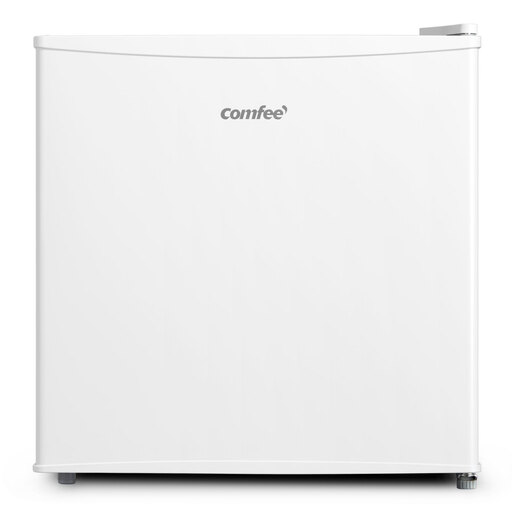
Why this product suits the profile: This 31-litre appliance takes up very little space and is designed for singles, small supplies or ice cream. The mechanical temperature control makes it straightforward to use.
The stated capacity prevents unrealistic expectations of storing large quantities. The reversible door makes it easier to fit the appliance into small niches.
4-star freezing performance, freezing capacity of 2 kg per 24 hours, adjustable feet and energy efficiency class E.
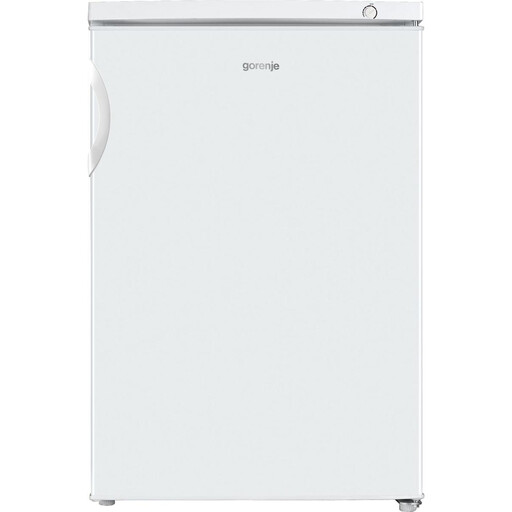
Why this product suits the profile: Three transparent drawers, 85 litres of usable capacity and an EcoMode provide an organised solution for small households that regularly need extra freezer space.
Separate drawers reduce the need to search through the interior. The reversible door prevents limitations when planning your kitchen layout.
Energy efficiency class D, annual consumption of 131 kWh, freezing capacity of 4 kg per 24 hours and up to 15 hours of storage in the event of a power cut, according to the product specifications.
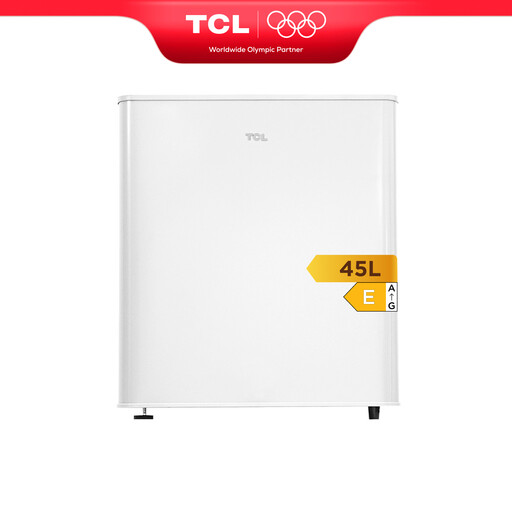
Why this product suits the profile: This tabletop appliance combines 42 litres of fridge space with a 3-litre freezer compartment, making it suitable for offices, bedrooms, student accommodation or holiday lets.
The separate fridge and freezer capacities make it clear that the freezer compartment is small. This helps you assess realistically what the appliance is suitable for.
45 litres of total capacity, mechanical temperature control, adjustable feet, a noise level of 40 dB and energy efficiency class E.
Place the mini freezer on a level, dry and well-ventilated surface. The precise minimum clearance is stated in the operating instructions; some appliances recommend around 5 cm at the sides. After transport, the appliance should remain upright for several hours, in accordance with the manufacturer’s instructions, before it is connected.
Hot food should not be placed directly in the freezer compartment. Regularly checking the door seal, keeping ventilation openings clear and avoiding unnecessary door openings can help the appliance run efficiently. When manually defrosting, never remove ice with sharp objects. In garages and cellars, you should also check the climate class and the temperatures typically found there.
We have put together a complete, regularly updated list of products that fully meet these strict selection criteria and the safety regulations applicable in the EU.
31 litres may be enough for individual ice packs and a few supplies. Singles who regularly need extra freezer space will often find around 60 litres more practical. For couples or larger supplies, 85 to 95 litres or a mini chest freezer will generally be more suitable.
That depends on the climate class and the ambient temperature. Not every appliance is designed for cold winters or very warm summers. Before buying, you should compare the manufacturer’s specifications with the actual conditions in your garage.
The stated annual consumption in kWh is the key factor. Multiply this figure by your electricity price per kWh. An appliance with annual consumption of 131 kWh would cost approximately 45,85 euros per year when calculated at an assumed price of 0,35 euros per kWh. The actual amount may vary depending on usage and positioning.