
Lieferung heute & morgen

Qualitätsgarantie

Willkommens-Angebote freischalten: KOSTENLOSE Lieferung | Bis zu 80 % RABATT | Kostenlose 30-Tage-JoyPlus-Testphase
App herunterladen
A mini fridge is a practical solution for anyone needing extra cooling space, whether in the office, a dorm room, the bedroom, or even on the go in your car. However, the market is flooded with models whose marketing promises often overstate what the appliances can deliver in everyday use. Before you make a purchase, it's crucial to understand the typical pitfalls to avoid a bad investment.
This guide focuses on the critical technical features and helps you find a model that is perfectly tailored to your requirements.
Many buyers are swayed by appealing product photos or seemingly low prices, overlooking critical details that severely limit the fridge's practicality.
To choose the right small fridge, you should focus on objective, technical criteria rather than marketing claims.
The choice of technology determines the appliance's performance, noise level, and ideal use case.
A low purchase price can quickly be offset by high electricity costs. The EU energy label provides information on the energy efficiency class (A to G) and the annual electricity consumption in kilowatt-hours (kWh). A Class E appliance, common for many current models, represents a solid compromise between purchase price and running costs. Compare the annual consumption stated on the label to estimate long-term costs.
The sheer volume in litres is only half the story. Pay attention to a flexible interior design. Adjustable or removable shelves and door compartments are crucial for adapting the space to different bottle sizes and packaging. A special crisper drawer with humidity control can also extend the shelf life of fruits and vegetables.
Here are some recommendations tailored to specific usage scenarios that take the aforementioned pitfalls into account.
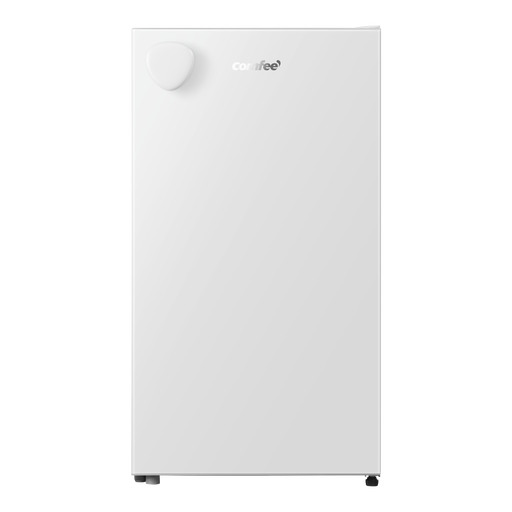
Why It's a Match: Ideal for students or studio apartments that require a full-featured yet compact refrigerator. At 88 litres, it offers enough space for weekly groceries without taking up too much room.
The compressor technology ensures reliable and consistent cooling performance. Removable glass shelves and a crisper drawer allow for flexible use of the clearly defined 88-litre volume.
Generous usable volume and a practical interior layout with a separate chiller zone for drinks and a crisper drawer.
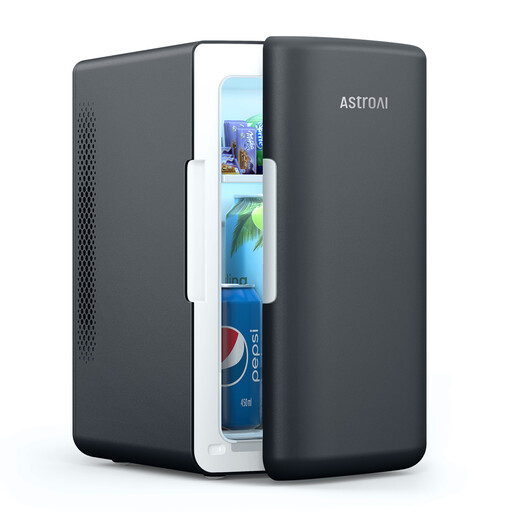
Why It's a Match: Perfect as a beauty fridge for storing skincare products or as a portable companion in the car. The thermoelectric system is extremely quiet and won't be a disturbance in the bedroom.
The product description clearly indicates its thermoelectric cooling and dependence on ambient temperature. The low operating noise is a key feature of this technology.
Dual power supply (220-240V AC and 12V DC) for use at home and in the car. Also offers a warming function.
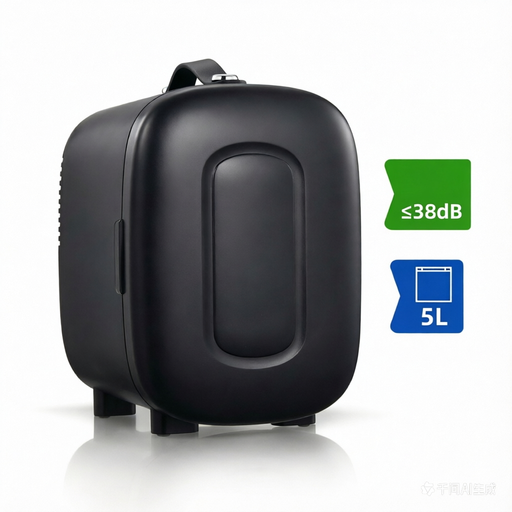
Why It's a Match: Extremely compact and quiet, ideal for a desk in the office or next to a gaming setup. It keeps drinks and snacks within arm's reach without causing a disturbance or taking up much space.
The 5-litre capacity (or six 330ml cans) is clearly communicated, which manages expectations. The thermoelectric cooling ensures quiet operation, which is essential for work environments.
Very space-saving design with flexible power supply (AC/DC). The magnetic door seal ensures good insulation and efficiency.
We have compiled a complete, up-to-date list of products that fully meet these strict selection criteria and rigorous safety standards.
A mini fridge considered quiet should have a sound power level below 40 decibels (dB) to avoid being disruptive in a bedroom or office. Thermoelectric models have an advantage here, often operating at just 25-30 dB, which is barely audible. Compressor models typically range from 35 to 42 dB, comparable to a quiet whisper.
Power consumption depends on the size, cooling technology, and especially the energy efficiency class. A look at the EU energy label is essential. It specifies the annual consumption in kilowatt-hours (kWh). For example, a Class E model with about 90 litres of volume consumes around 80-100 kWh per year. You can multiply this value by your current electricity rate to calculate the annual operating costs.
Caution is advised here. Many compact fridges only have a "Cooler Box" or "Chiller Zone," like the models from COMFEE' or TCL. These compartments reach temperatures around freezing (e.g., -5°C to 5°C) and are intended for short-term chilling of drinks or temporary storage of ice cubes. They are not a full-fledged freezer compartment (identifiable by a star rating, e.g., ****) and are not suitable for the long-term storage of frozen foods.