
Lieferung heute & morgen

Qualitätsgarantie

Willkommens-Angebote freischalten: KOSTENLOSE Lieferung | Bis zu 80 % RABATT | Kostenlose 30-Tage-JoyPlus-Testphase
App herunterladen
A mini-fridge with a freezer compartment is a practical solution for anyone who needs chilled drinks and a small frozen food stash but has limited space. Whether in an office, a student dorm, or as a secondary appliance in the basement, the applications are diverse. However, the market is flooded with models whose performance claims don't always hold up in practice. Before you make a decision, you should be aware of the typical pitfalls that can lead to an unsatisfying purchase.
Many buyers focus on price or advertising promises, overlooking crucial technical details. This often leads to disappointment in everyday use.
To avoid a bad purchase, you should focus on objective and measurable criteria. These three parameters are essential for selecting a suitable model.
Pay attention not only to the total volume in litres but also to the interior layout. A good countertop fridge offers flexible storage options. Check if the shelves are removable or adjustable and if the door compartments are large enough for 1.5-litre bottles. The freezer compartment should be clearly separated from the cooling area and have its own, albeit small, capacity sufficient for ice cubes or a frozen pizza. A reversible door hinge significantly increases flexibility when positioning the appliance.
The noise level is a critical factor, especially if the fridge will be placed in living or working areas. A small, quiet fridge should have a rating below 40 dB. For comparison:
A model like the Bomann KB 7245, with a stated operating noise of 39 dB, is a suitable choice for such environments.
Energy consumption is indicated on the EU energy label in kilowatt-hours per year (kWh/a). A lower value means lower running costs. Equally important is the climate class. It specifies the ambient temperatures for which the appliance is designed. The common SN/N/ST/T class covers a wide range from +10 °C to +43 °C, ensuring the fridge operates efficiently in both a cool basement and a warm attic apartment.
Instead of making a one-size-fits-all recommendation, we have curated products for specific user profiles.
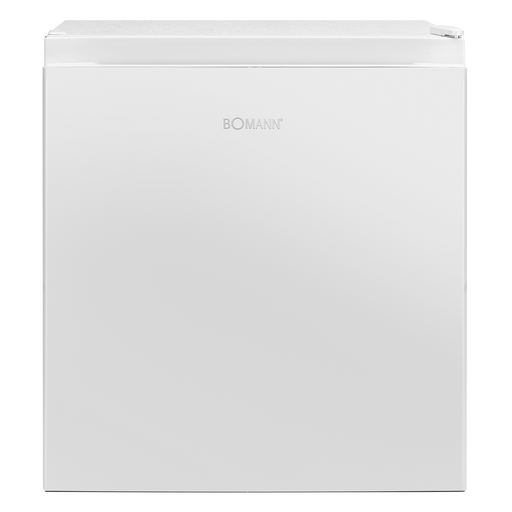
Why This Fits Their Persona: Ideal for those seeking a compact cooling solution for their workspace or gaming room. The appliance combines refrigeration and freezing functions in a minimal footprint without causing noise disruption.
With an operating noise of 39 dB, this model bypasses the noise trap and is quiet enough for peaceful environments. The clear layout with a 4-litre freezer compartment ensures honest and usable capacity.
The reversible door hinge and adjustable feet allow for flexible adaptation to any room layout. The moderate energy consumption of 80 kWh/year keeps running costs low.
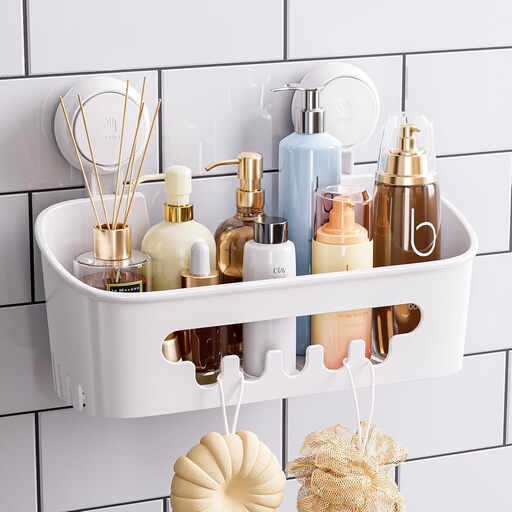
Why This Fits Their Persona: Students often struggle with limited space in bathrooms and kitchens. This shower caddy creates storage without drilling, complementing space-saving solutions like a mini-fridge.
Avoids the pitfall of permanent installations, which are often prohibited in rental apartments or dorms. The suction cup technology leaves no damage on tiles.
Installation is tool-free and takes seconds. The design with drainage holes keeps bathroom essentials dry and clean. The caddy is reusable and can be easily taken with you when you move.
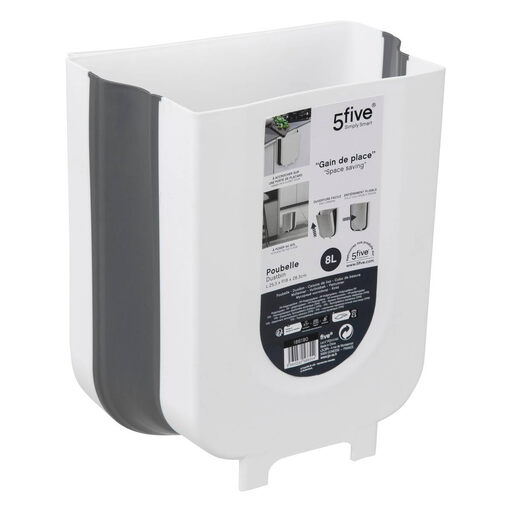
Why This Fits Their Persona: In small kitchens where every inch counts, a smart waste solution is crucial. This bin can be collapsed when not in use, perfectly complementing a space-saving setup that includes a countertop fridge.
Solves the problem of bulky bins that take up valuable floor space. By mounting on a cabinet door or drawer, the floor remains clear, and the kitchen feels tidier.
The collapsible design is its biggest advantage. With an 8-litre capacity, it's ideal for daily kitchen waste. The polypropylene material is durable and easy to clean.
We have compiled a complete, real-time list of products that fully satisfy these strict selection criteria and UK safety regulations.
A mini-fridge considered quiet should have a noise emission of under 40 decibels (dB). This level is roughly equivalent to the ambient noise in a library. Models with ratings around 39 dB, like the aforementioned Bomann KB 7245, are suitable for use in bedrooms or offices, as their operating noise is barely perceptible and not considered disruptive.
Power consumption depends on the energy efficiency class, size, and usage. A modern appliance with about 45 litres of usable capacity typically consumes between 80 and 100 kWh per year. The exact value is stated on the EU energy label of the respective product. Look for a good energy efficiency class to keep running costs low.
On many modern countertop and mini-fridges, the door hinge is reversible. This feature offers maximum flexibility in placing the appliance, as you can set the door to open from the left or right depending on your room's layout. Check the product description to ensure the model you choose supports this function.