
Lieferung heute & morgen

Qualitätsgarantie

Willkommens-Angebote freischalten: KOSTENLOSE Lieferung | Bis zu 80 % RABATT | Kostenlose 30-Tage-JoyPlus-Testphase
App herunterladen
A mini fridge can save space in the bedroom, office, student accommodation, car or while camping. However, appliances vary considerably in terms of cooling technology, power supply and temperature stability. If you focus only on capacity or particularly low prices, you may end up buying a model that does not cool sufficiently in its intended location or uses more electricity than necessary.
Thermoelectric appliances often state that they can cool to, for example, 18 to 22 °C below the ambient temperature. At a room temperature of 30 °C, this corresponds to approximately 8 to 12 °C inside the appliance. The actual temperature depends on the surroundings, ventilation, how full the fridge is and how often it is opened.
A compressor appliance, on the other hand, operates within an adjustable temperature range. It is more suitable for perishable foods, longer operating periods and use as a mini fridge with freezer compartment or portable freezer.
Door compartments, shelves and the shape of the interior affect whether bottles, lunch boxes or cosmetics can actually be stored conveniently. As well as checking the capacity, you should therefore consider:
A 12V fridge or car fridge requires a compatible socket and can drain the vehicle battery if it is operated for extended periods while the engine is off. An integrated battery protection function is therefore useful in a compressor cooler. For stationary use in a living space, a 220 to 240 V connection is usually more practical.
A cooling and warming box with thermoelectric technology is compact, relatively lightweight and, depending on the model, can also keep food warm. It is suitable for drinks, snacks and short journeys. However, its cooling performance is affected by the ambient temperature, and this type of appliance generally does not include a freezer compartment.
A compressor cooler can be set to a specific temperature and can sometimes cool down to around -20 °C. It is better suited to camping, motorhomes, boats and longer journeys, although it is usually heavier and more expensive.
For an office, bedroom or student accommodation, an electric fridge with a 220 to 240 V connection is sufficient. If you want to use the appliance both in the car and at home, look for AC and DC support. With portable models, check whether a mains adapter is included or available separately.
An appliance producing around 39 to 42 dB may seem pleasantly quiet in many environments, although how loud it feels depends on the room and your personal perception. For a stationary mini fridge, the energy efficiency class, annual consumption and installation instructions are also important. The EU energy label allows for a more reliable comparison than general advertising claims such as “energy-saving”.
Leave sufficient space around the ventilation openings, place the appliance on a level surface and avoid direct sunlight. Food should only be stored for longer periods if the appliance can reliably maintain the required temperature.
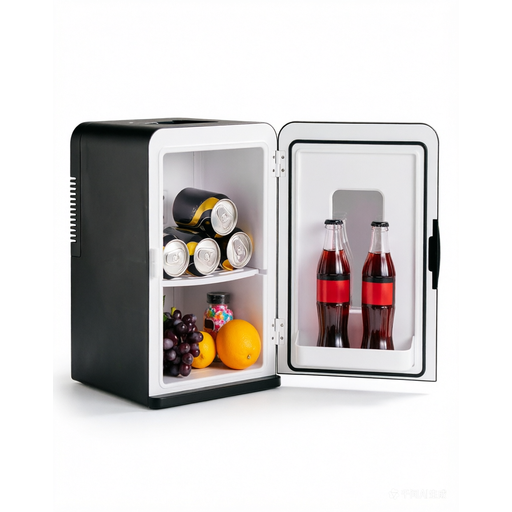
Why this product suits this profile: This 15-litre appliance is designed for drinks, snacks, cosmetics and use in the office or student accommodation. According to the product information, it supports 220–240V AC and 12V DC and weighs 3.8 kg.
The cooling specifications are given as a difference from the ambient temperature. This makes it easier to assess performance realistically than with a blanket temperature promise.
15-litre capacity, AC/DC operation, plus cooling and warming functions.
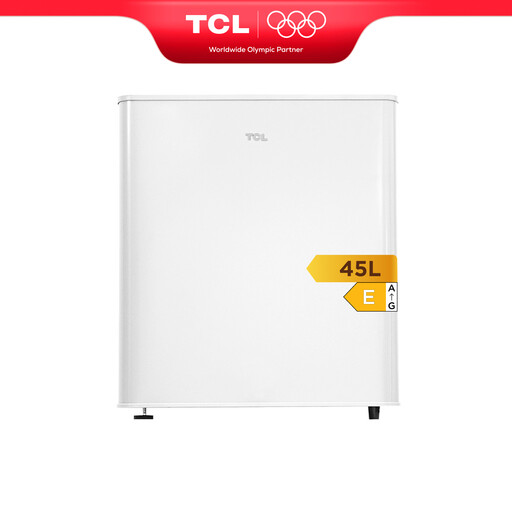
Why this product suits this profile: This freestanding model offers a total capacity of 45 litres, a 3-litre freezer compartment, a glass shelf and a mechanical thermostat for use at home or in the office.
Separate specifications for the fridge and freezer compartments, together with the temperature range of 0 to 10 °C, make it easier to plan how the appliance will be used.
45-litre capacity, 3-litre freezer compartment, adjustable feet and a noise level of 40 dB according to the product data.
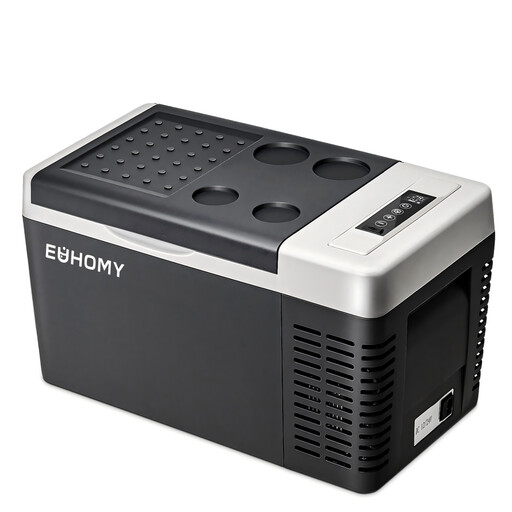
Why this product suits this profile: This portable cooler is designed for cars, camping, boats and travel and, according to the product information, can operate between -20 and +20 °C.
The compressor technology offers an adjustable range rather than simply stating a difference from the ambient temperature. Its three-stage battery protection is designed for mobile use.
18-litre capacity, 12/24V and 100–240V operation, app control and a stated noise level of 42 dB.
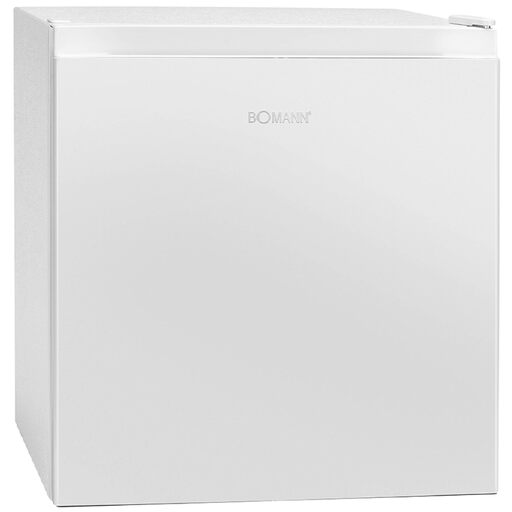
Why this product suits this profile: This model is aimed at users looking for a compact appliance with a larger interior, a small freezer compartment and conventional 230 V operation.
The product data lists the net capacity, freezer compartment size, temperature range, annual consumption and noise level separately.
45-litre net capacity, 4-litre freezer compartment, reversible door and a stated consumption of 80 kWh per year.
We have put together a complete, regularly updated list of products that fully meet these strict selection criteria and the safety regulations applicable in the EU.
Consumption depends on the technology, size, ambient temperature and usage. For stationary models, the stated annual consumption on the energy label is relevant. Mobile compressor coolers may, for example, have a stated power draw of around 45 W, but this does not allow the actual daily consumption to be determined as a general rule.
According to product specifications, many models produce approximately 39 to 42 dB. A compressor may be more noticeable when starting up or during a cooling cycle than a fan running continuously. If you plan to use the appliance in a bedroom, it is therefore worth checking the stated noise level and the returns policy.
This depends on the cooling technology and the temperature actually reached. A compressor appliance with an adjustable range is generally better suited to maintaining a constant temperature than a portable thermoelectric cooler. Always follow the manufacturer’s instructions, maintain the cold chain and observe the storage guidance for the relevant foods.