
Lieferung heute & morgen

Qualitätsgarantie

Willkommens-Angebote freischalten: KOSTENLOSE Lieferung | Bis zu 80 % RABATT | Kostenlose 30-Tage-JoyPlus-Testphase
App herunterladen
A mini fridge offers a compact and flexible cooling solution for specific applications where a standard-sized appliance would be impractical. Whether it's a small fridge for the office, a quiet countertop refrigerator for the bedroom, or a dedicated beverage cooler for your game room, selecting the right model depends on clearly defined technical criteria. This guide breaks down the key parameters and presents a selection of models based on their specifications.
Choosing the right model should be based on an objective assessment of performance, size, and features. The following criteria are essential for making an informed decision.
The net capacity, measured in litres (L), is the primary indicator of storage space.
Precisely measure the intended installation space, remembering to account for the necessary clearance from the wall for air circulation, as specified by the manufacturer.
The energy efficiency class is displayed on the EU energy label, ranging from A (most efficient) to G (least efficient). An appliance with a better energy rating will result in lower running costs. Many compact models are rated in classes E or F. The annual energy consumption in kilowatt-hours (kWh/a) provides a concrete figure for comparison.
The noise level, measured in decibels (dB(A)), is a critical factor, especially for use in living areas and bedrooms. Quiet operation is essential in these spaces.
Some models include an integrated freezer compartment. It's important to distinguish between two types:
In addition to technical specs, the construction type also plays a role. Freestanding countertop refrigerators offer the most placement flexibility. A reversible door hinge further enhances placement options. Models with a retro fridge design can also serve as a stylish element in your interior decor.
Based on the criteria above, we have compiled a selection of models for various use cases.
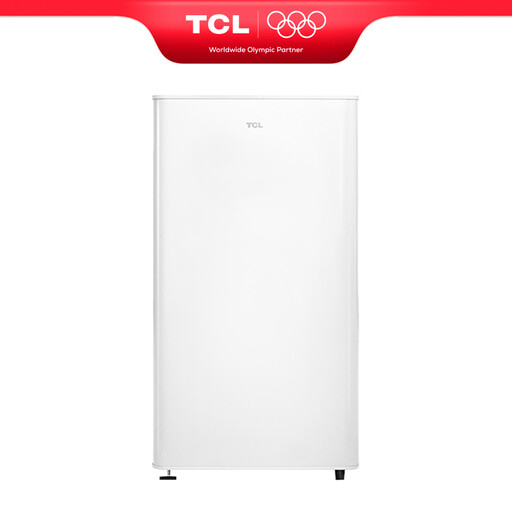
Why we recommend this product The TCL RF120DWE0 offers an above-average capacity of 90 litres for its class. The combination of adjustable glass shelves and a large bottle rack in the door allows for highly flexible interior organisation. The integrated chiller box is practical for rapidly cooling drinks or for short-term food storage at near-freezing temperatures.
Pros
Who it's for This model is an excellent choice for individuals or couples in small apartments who need a primary refrigerator. It is also well-suited for shared offices or as a spacious secondary fridge.
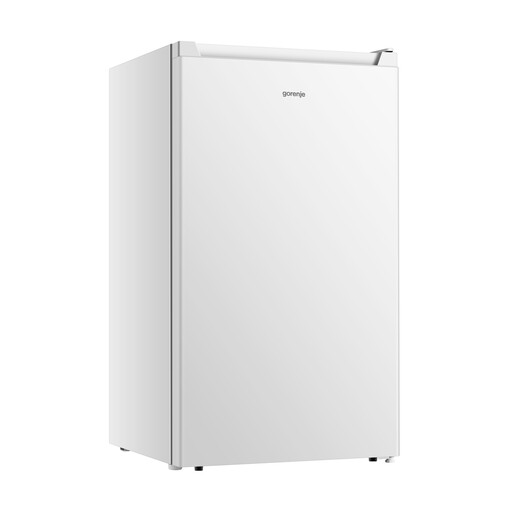
Why we recommend this product The Gorenje RB39EPW4 stands out with its extremely low noise level of just 38 dB(A), making it perfect for noise-sensitive environments like a bedroom or study. Another key feature is its proper 4-star freezer compartment with 7 litres of space, enabling long-term storage of frozen products. The CrispZone drawer is designed for optimal storage of fruits and vegetables.
Pros
Who it's for Ideal for users seeking an extremely quiet fridge for the bedroom or home office who don't want to compromise on having a real freezer compartment for ice cubes or frozen food.
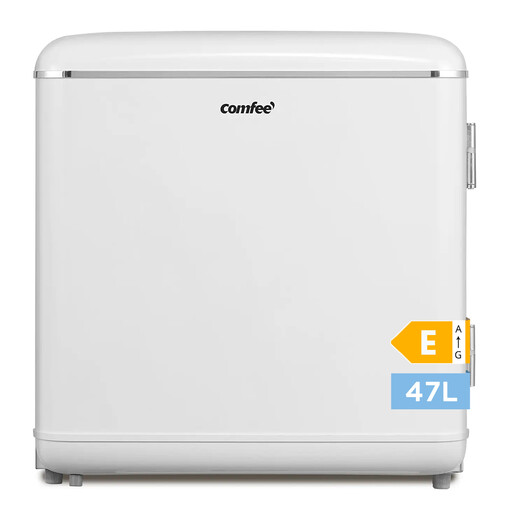
Why we recommend this product This model from Comfee combines a compact build with a striking retro design. With a 47-litre capacity, it focuses on the essentials and is perfect as a stylish beverage cooler or for storing snacks. The absence of an interior light is a deliberate design choice to reduce energy consumption.
Pros
Who it's for Users who prioritise design and compactness. Perfect as a personal fridge in the office, a minibar in a guest room, or for anyone looking for a visually appealing small fridge.
If our selection doesn't include the perfect model for your specific needs, you can find a wider range of appliances with different sizes, features, and designs in our main category.
Discover more models in the Household Refrigerators category
1. How much electricity does a mini fridge use? Power consumption depends on the energy efficiency class, capacity, and ambient temperature. A Class E model with an 80-90 litre capacity, like the Gorenje RB39EPW4, has a manufacturer-stated annual consumption of around 125 kWh. Smaller models with about 50 litres often consume slightly less.
2. How quiet should a mini fridge be for a bedroom? For use in a bedroom, a noise level below 40 dB(A) is recommended. Models at 38 dB(A) or less are generally barely audible and won't disturb your sleep. Ensure the unit is placed on a stable, level surface to minimise vibration noise.
3. What is the difference between a chiller compartment and a freezer compartment? A chiller compartment reaches temperatures around freezing (e.g., -5°C to +5°C). It's designed for rapidly chilling drinks or for very short-term storage of frozen items. In contrast, a 4-star freezer compartment achieves certified temperatures of -18°C or colder and is suitable for the long-term storage of frozen food for several months.
About the author: Joybuy Product Recommendation Officer. Focused on analysing product design, technical specifications, and practical utility.