
Lieferung heute & morgen

Qualitätsgarantie

Willkommens-Angebote freischalten: KOSTENLOSE Lieferung | Bis zu 80 % RABATT | Kostenlose 30-Tage-JoyPlus-Testphase
App herunterladen
A mini fridge can save a great deal of space in a small household, student accommodation, office or motorhome. The range extends from compact tabletop fridges and drinks fridges to portable cool boxes for the car. However, the appliances vary considerably in terms of cooling technology, power supply and intended use.
If you focus only on the capacity in litres or eye-catching marketing claims, you could end up buying a model that is not suitable for its intended purpose in everyday use. Three common buying misconceptions deserve particular attention.
With a thermoelectric appliance, cooling performance depends on the ambient temperature. For example, a model that cools 18 to 22°C below the ambient temperature will theoretically reach around 8 to 12°C at a room temperature of 30°C. This is different from an independently adjustable target temperature.
Such an appliance may be sufficient for drinks, snacks and cosmetics. For frozen food, you need a mini fridge with a freezer compartment or a compressor cool box with a suitable temperature range.
Door shelves, removable shelves and the shape of the interior all affect how many bottles or cans will actually fit inside. Before buying, you should therefore check not only the capacity in litres, but also the internal dimensions and the height of the door shelf.
A mini fridge small enough for a desk is not automatically suitable for large bottles. For an office or bedroom fridge, door hinge position, footprint and noise level are also important.
A portable fridge for the car requires a suitable power supply and should not place unnecessary strain on the vehicle battery when the car is parked for longer periods. Look for specifications such as 12 V or 24 V DC, a suitable mains adapter and battery protection.
A thermoelectric cool and warm box is typically suitable for transport and short-term use. A compressor cool box, on the other hand, is designed for more independent temperature control and longer cooling periods.
Thermoelectric cooling is often compact, lightweight and comparatively simple in design. Many appliances can also keep contents warm. However, the temperature usually depends on the ambient conditions, and freezer operation is generally not available.
Compressor cooling operates within an adjustable temperature range. Depending on the model, the cool box can cool to below freezing and therefore also serve as a portable freezer. The trade-off is that weight, purchase price and operating noise are often higher.
For a drinks fridge in a living area, a small tabletop fridge with a mechanical thermostat may be a sensible choice. For camping, boating, motorhomes or longer car journeys, a compressor appliance with a 12/24-volt and 100–240-volt connection is generally more suitable.
As a rough guide:
Also check the required ventilation clearances. The ventilation slots must not be covered, as this can reduce cooling performance and obstruct heat dissipation.
For freestanding fridges, the energy efficiency class is shown on the EU energy label. Values such as 125 kWh per year or 0.35 kWh per day are only comparable when the measurement conditions and appliance categories are taken into account. With portable compressor cool boxes, the power consumption in watts and consumption in ECO mode are more relevant.
For a bedroom or quiet workplace, the manufacturer’s noise-level specifications are useful. Product data may indicate figures of around 38 to 45 dB. However, the actual perceived noise depends on the surface, distance and operating mode.
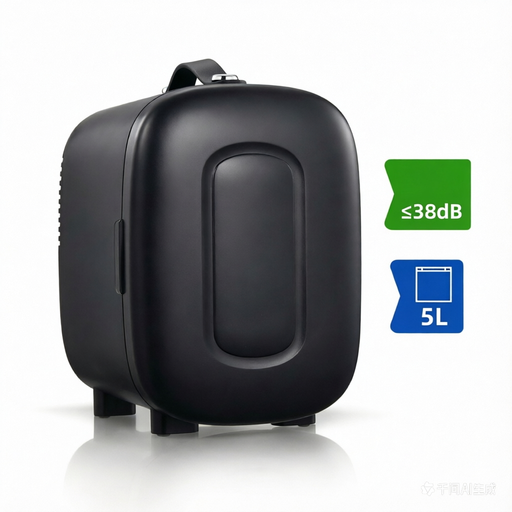
Why this product suits this profile: This compact appliance is designed for drinks, snacks or cosmetics in the car, office or bedroom. It supports 240 V AC and 9–12 V DC, while taking up very little space.
The product details specify the 5-litre capacity and the exact power connections. This makes it easier to plan how you will use it before buying.
5-litre interior, cooling and warming function, removable shelf and magnetic door.
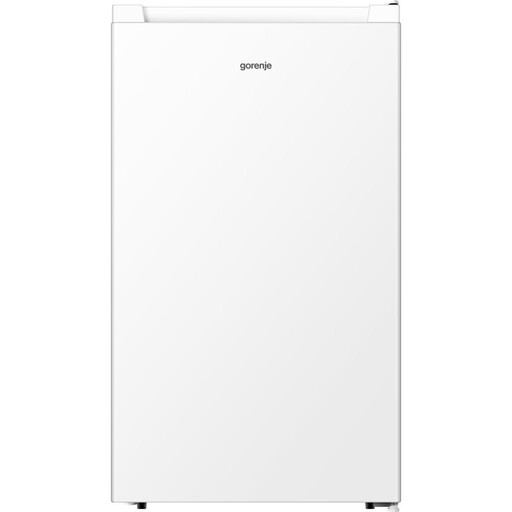
Why this product suits this profile: This freestanding mini fridge combines an 82-litre capacity with a 7-litre freezer compartment, making it suitable for small kitchens, flats or additional storage.
The specifications clearly distinguish between the fridge and freezer compartments. They also list annual energy consumption, noise level and dimensions.
82-litre total capacity, 7-litre freezer compartment, 38 dB(A), LED lighting and salad crisper.

Why this product suits this profile: This portable cool box is designed for motorhomes, boats, cars, camping and longer journeys. It can run on 12/24 V DC as well as 240 V AC.
The compressor technology is specified with a range of -20 to 20°C. There are also three battery protection levels.
Two storage compartments, Bluetooth app, ECO and MAX modes, plus an operating noise level of 40 dB according to the product details.
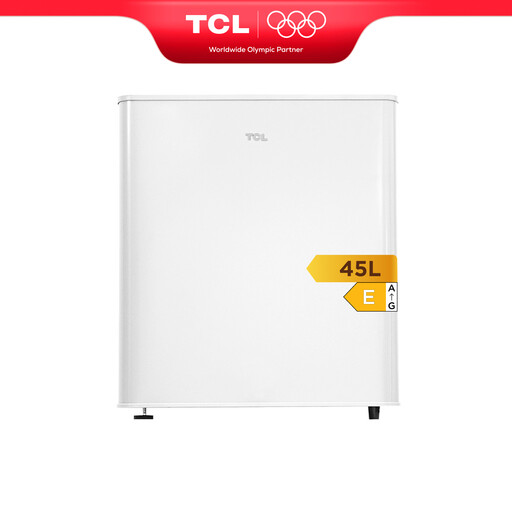
Why this product suits this profile: The 45-litre model is designed for home offices, bedrooms, student accommodation or offices, and offers a separate small freezer compartment.
The technical specifications state that the capacity is divided into a 42-litre fridge compartment and a 3-litre freezer compartment, with dimensions of 449 × 485 × 512 mm.
Mechanical thermostat, adjustable-height feet, 40 dB, adjustable glass shelf and door shelf for large bottles.
For a targeted search for a small drinks fridge, you can find further sizes and designs in the relevant range.
We have compiled a complete, regularly updated list of products that fully meet these strict selection criteria and the safety regulations applicable in the EU.
Consumption depends on the size, energy efficiency class, ambient temperature and cooling technology. For freestanding appliances, the annual consumption shown on the energy label helps with comparisons. With portable models, you should also check the power consumption and consumption in ECO mode.
Yes, provided the appliance is suitable for dry indoor spaces and has sufficient ventilation clearance. In a bedroom, a low noise level, stable feet and a door that closes securely are particularly important. The manufacturer’s dB rating provides a useful guide, but does not guarantee completely silent operation.
Its service life depends on how it is used, ventilation, cleaning and build quality. Restricted ventilation, frequently opening the door or direct sunlight can affect operation. Follow the instructions, keep the seals clean and unplug the appliance if you notice unusual noises or damaged cables. Medical products or temperature-sensitive medicines should only be stored in appliances approved for this purpose.