If windows or lamps shine on your screen, a Mini-LED LCD is a sensible place to start. However, what matters is the specific model’s reflection handling and SDR brightness, not just its display technology. OLED could also be a good choice if you care about side-on viewing and high-contrast evening images. Compare the features of each individual TV, and bear in mind the usage-dependent risk of permanent image retention if you often leave static images on screen for long periods.
Which features matter to you?
Watching in front of a bright screen during the day
You watch in daylight and want to see the dancers clearly, even with windows or lamps in the room. Focus on the specific model’s reflection handling and brightness rather than just its display technology. RTINGS.com, for example, assesses reflection handling and SDR brightness separately.
Fans of fast-paced dance scenes
You pay particular attention to steps, spins and camera pans. Check the motion handling and look for any smearing; a quoted refresh rate alone won’t tell you how well a TV performs. The Verbraucherzentrale explains that a higher refresh rate can make fast motion look smoother.
Watching together from different seats
You watch with guests who aren’t all sitting in the centre. Check the viewing angle from your actual sofa, and make sure the screen is large enough to see clearly from the furthest seat. RTINGS.com notes that picture quality can vary depending on the viewing angle.
What should you look for when buying?
Mini-LED LCD
A better fit if: Daylight and light sources in the room are your main concerns. Compare the specific model’s reflection handling and SDR brightness.
The trade-off: The viewing angle and picture uniformity during camera pans also need to suit your room and seating arrangement.
OLED
A better fit if: You care about side-on viewing and high-contrast evening images as well as daylight viewing. Take the specific model’s reflection handling and brightness into account.
The trade-off: If you often leave static logos or graphics on screen for long periods, check the usage-dependent risk of permanent image retention and the warranty terms.
| Priority |
What to check when buying |
Who it matters most to |
| Reflections and daylight |
Compare the specific model’s reflection handling and SDR brightness separately, and consider where windows and lamps are in relation to the intended TV position. RTINGS.com describes SDR peak brightness as a measurement for typical TV content. |
If windows or lamps make it difficult to see the picture during the day, you’ll want to follow the dance moves clearly; around 31% of consumers put daylight readability first. |
| Fast motion |
Check motion tests for the specific model and, where possible, use a comparable TV source. Don’t confuse the refresh rate with the actual frame rate of the programme; the Verbraucherzentrale makes this distinction too. |
If spins and camera pans are the main focus, you’ll want to follow the action clearly; around 25% of consumers prioritise motion clarity. |
| Side-on seating |
Compare the specific model’s viewing angle with your planned seating arrangement. RTINGS.com explains that the picture can change when viewed from the side. |
If several guests are watching from different seats on the sofa, you’ll want the picture to look good off-centre too; around 19% of consumers put side-on seating first. |
| Screen size and placement |
Check viewing distances, available width and visibility from the furthest seat before you buy. The Verbraucherzentrale recommends taking connections and placement into account when choosing a TV. |
If you need to choose a screen size that suits your room and available space, finding the right position is essential; around 13% of consumers put size and placement first. |
| Reception and running costs |
Check how you’ll receive TV; for aerial reception, make sure the TV supports DVB-T2 HD with HEVC. To compare energy use, check the SDR and HDR consumption figures on the EU energy label. |
If you watch programmes through a particular reception method or want to keep running costs in mind, you’ll want to know what equipment you need; around 12% of consumers prioritise reception and running costs. |
Avoiding buying mistakes
-
Assuming high HDR peak brightness means a TV is suitable for daylight viewing
An HDR peak brightness figure alone doesn’t tell you enough about typical SDR TV pictures or reflections from windows and lamps.
Compare SDR brightness and reflection handling separately for the specific model.
-
Assuming a high refresh rate means sharp dance moves
Panel refresh rate, the frame rate of the programme being played and pixel response time are different things. Fast motion can look blurred or show smearing.
Look at tests using moving images, and assess the settings with the TV signal you actually use.
-
Assuming a good picture from the centre will look good from every seat
Colours and brightness can change when viewed from the side. For the Hisense 55UR8DS PRO and 55U7DS Pro, COMPUTER BILD notes limited viewing angle stability in its tests; this finding can’t be applied to an entire brand.
Check the viewing angle of the exact model from the seats you plan to use.
-
Thinking only about the purchase price
Running costs may include electricity and, where relevant, a separately arranged TV reception service. The EU energy label shows consumption figures for SDR and HDR.
Also check which TV reception service is arranged for your household. The Bundesnetzagentur notes that, for affected tenancies, the flat-rate billing of cable TV through rent and service charges ended on 1 July 2024.
As a result, affected tenants may need to arrange their own TV reception service. The details depend on the household and the contract.
Relevant brands at a glance
Hisense
Hisense lists the 55UR8DS as an RGB Mini-LED TV. COMPUTER BILD also tests the 55UR8DS PRO and 55U7DS Pro; these model names shouldn’t automatically be treated as equivalent.
- COMPUTER BILD describes the tested models as very bright.
- The review criticises their viewing angle stability. Check the findings for the exact model and your seating positions.
TCL
The German model line-up includes the 55C8L and 55C7L Mini-LED TVs. COMPUTER BILD also assesses these model names in its TV list.
- TCL lists model-specific local dimming and HDR figures for the 55C8L and 55C7L.
- Manufacturer claims about HDR and local dimming aren’t measurements of SDR brightness or reflection handling; compare these features separately.
Samsung
Samsung promotes a Glare-Free screen on the QN90F. COMPUTER BILD also includes the different model GQ55S85FAE in its TV list.
- The Glare-Free claim applies to the QN90F and may be worth checking when choosing a model.
- This is a manufacturer claim, not an independent measurement, and it can’t be assumed to apply to the GQ55S85FAE.
LG
The OLED55C58LA is an OLED option if you care about high-contrast images as well as daylight viewing.
- LG promotes Brightness Booster and OLED contrast for this model.
- These manufacturer claims don’t establish that the screen has special anti-reflection treatment. If you often leave static images on screen for long periods, consider the usage-dependent risk of permanent image retention.
Sony
Sony lists the BRAVIA 9 II as an RGB LED alternative. RTINGS.com reviews one version of the range for use in bright rooms.
- The review can provide a useful guide to the version tested and its performance in bright rooms.
- The manufacturer’s description of colour performance isn’t an independent comparison. Check that the review findings, German version and your own lighting and seating conditions are a good match.
Joybuy products for your living room
The models below are 55-inch TVs with 4K specifications; the range includes QLED, Neo QLED and LED variants. Their technical labels alone don’t tell you how well they handle reflections in your particular living room.
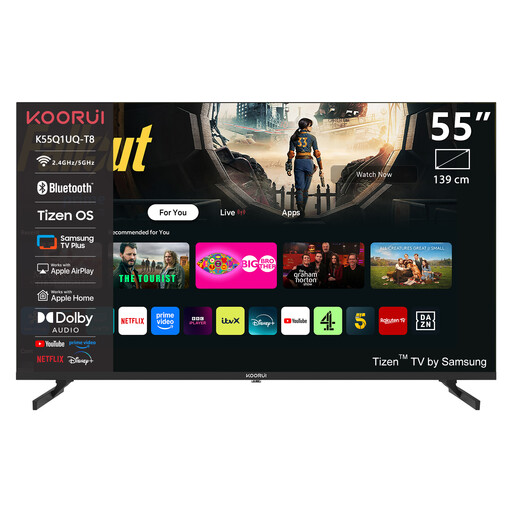 No image available
KOORUI K55Q1UQ-T8, 55-inch, 4K UHD, QLED Smart TV with Tizen OS
If you’re looking for a 55-inch TV for 4K UHD content, the product title lists QLED and Tizen OS. This doesn’t tell you anything about reflection handling or SDR brightness.
View at Joybuy
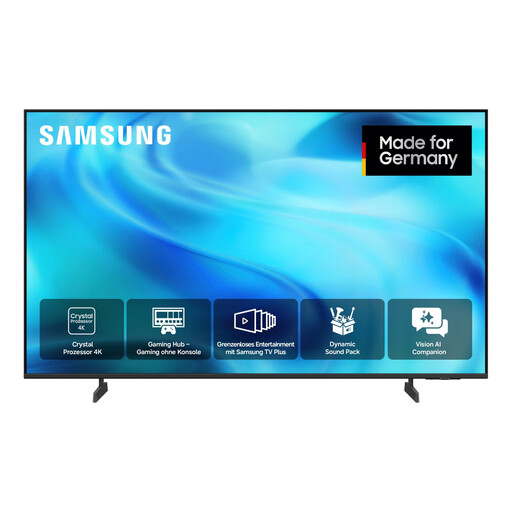 No image available
Samsung GU55U8079H Crystal UHD, 55-inch, 4K Smart TV
This model could suit you if you’re looking for a 55-inch TV with 4K and DVB-T2 HD. The listed Motion Xcelerator picture feature doesn’t, by itself, tell you how well the TV handles motion.
The product description lists 60 Hz, Motion Xcelerator and Tizen.
View at Joybuy
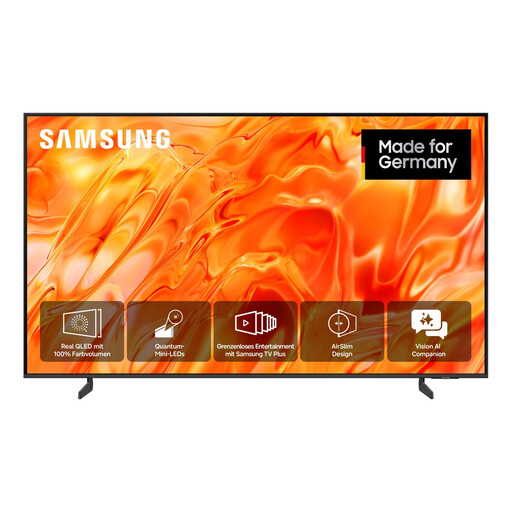 No image available
Samsung GQ55QN70H Neo QLED, 55-inch, 4K Smart TV
If you’re looking for a 55-inch 4K model with Quantum Mini LEDs, the description also lists Motion Xcelerator. These features alone don’t tell you how well it handles reflections.
Specifications include 60 Hz, Quantum Mini LEDs and Tizen.
View at Joybuy
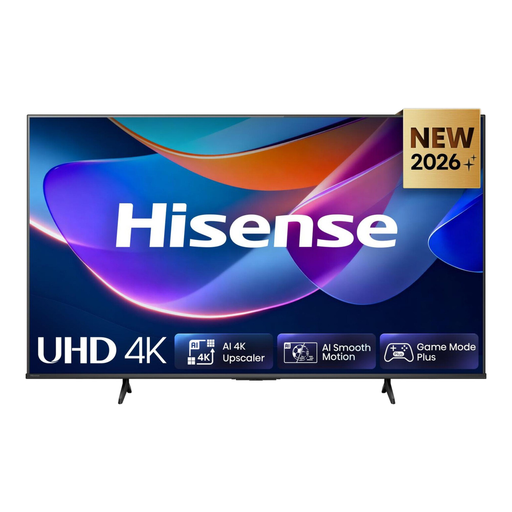 No image available
Hisense 55A6S, 55-inch, 4K UHD Smart TV
This model is worth considering if you’re looking for a 55-inch 4K TV with automatic brightness adjustment. This feature is no substitute for comparing reflection handling.
The product description lists 60 Hz, a light sensor, AI Smooth Motion and VIDAA.
View at Joybuy
Frequently asked questions
Is a particularly high HDR brightness enough for watching a dance competition during the day?
No, not on its own. For typical TV pictures, assess SDR brightness and how the screen handles direct and indirect reflections separately; HDR peak brightness relates to a different type of measurement.
What should I check before setting up a TV for several viewers?
Decide where the screen and seats will go, then check the picture from the side as well. If you’re wall-mounting the TV, also check the mounting instructions for the specific model and the bracket you plan to use.
Can I watch a dance competition using an aerial?
For terrestrial reception in Germany, your receiving device needs DVB-T2 HD with HEVC/H.265; a device that only decodes H.264 won’t be sufficient. You’ll also need to check separately whether the programme you want is available this way where you live.
How can I compare electricity costs and my rights if something goes wrong?
The EU energy label shows consumption figures for SDR and HDR; your actual electricity costs also depend on how much you use the TV and your tariff. If there’s a fault, remember that your statutory rights against the retailer are separate from any voluntary guarantee.


