
Lieferung heute & morgen

Qualitätsgarantie

Willkommens-Angebote freischalten: KOSTENLOSE Lieferung | Bis zu 80 % RABATT | Kostenlose 30-Tage-JoyPlus-Testphase
App herunterladen
A mini multi-cooker can replace several kitchen appliances in a small flat, halls of residence or office. But a compact design doesn’t automatically mean it’s the right choice. What matters is usable capacity, safety features, how much cleaning it needs and whether it really suits the meals you cook.
A 1.6-litre pot isn’t suitable for 1.6 litres of boiling soup. When cooking liquids, rice or pasta, or using pressure-cooking programmes, you need to leave room for the food to rise, steam to escape and contents to circulate safely. An electric mini cooker with a 1.6 l capacity may be enough for one person. Couples and anyone who likes to batch-cook should consider a model with a capacity of around 3.8 litres.
Claims such as ‘7-in-1’ may sound impressive, but they don’t mean you’ll use every function equally often. Check the details:
A pressure cooker needs different safety mechanisms from a basic rice cooker. A slow cooker, meanwhile, uses low temperatures and long cooking times. The list of functions should suit your everyday routine.
A non-stick coating can make it easier to remove food, but it doesn’t mean you can use metal utensils, abrasive sponges or a dishwasher unless the manufacturer specifically says these are suitable. A removable lid, a removable inner pot and dry, protected connections can also make cleaning much easier.
For people living alone and students, an electric hot pot with a 1.6 l capacity is generally designed for individual meals. A 3.8 l multi-cooker gives you more flexibility for two people or several portions, but takes up more worktop and storage space. Measure more than just the width: check the height, lid clearance and space needed for steam to escape.
For camping, travelling or a small desk, consider the weight, cable length and whether you have a stable, heat-resistant surface. Don’t use a portable electric cooker right next to an edge, near paper or beneath wall cupboards.
The wattage tells you how much electrical power an appliance draws; it doesn’t automatically tell you how quickly it will cook. A 600 W appliance may be designed for pasta, soups and simple stews. Pressure cooking, slow cooking, steaming and searing all place different demands on the controls.
You can estimate running costs using this formula:
Power in kilowatts × operating time in hours × electricity price per kilowatt-hour
A 600 W appliance running for 30 minutes uses 0.3 kWh on paper. The actual operating time depends on the programme and what you’re cooking.
Look for clear manufacturer details, instructions in German and information about the CE marking, mains voltage and EU responsible persons. The CE marking is a legal conformity mark, not an independent assessment of quality.
Important features include:
When using a ramen cooker or hot pot, make sure you add enough liquid. Safety features don’t replace the need to supervise the appliance while it’s running. Only use pressure programmes with the lid fully locked, and always follow the instructions.
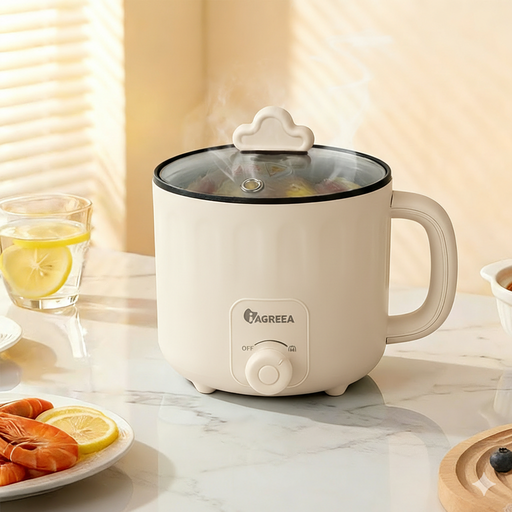
Why this product suits this profile: With a 1.6-litre capacity and 600 W of power, this cooker is designed for individual portions, simple meals and limited worktop space. One-button operation keeps the settings simple.
Its clearly stated capacity and automatic shut-off make it easier to see that it’s suitable for small portions than a long, vague list of functions would.
600 W, 1.6 litres, non-stick coating, automatic shut-off and boil-dry protection.
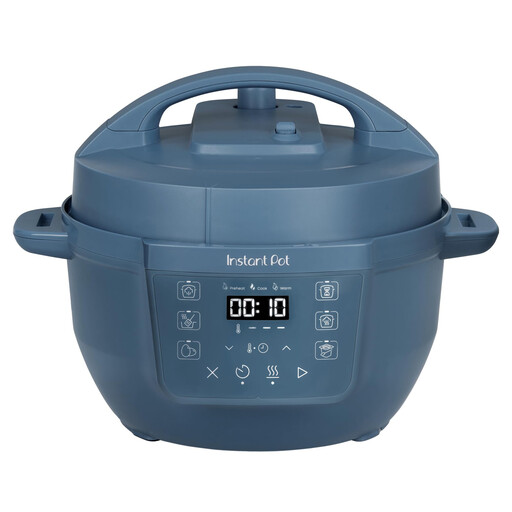
Why this product suits this profile: Pressure cooking, slow cooking, searing, steaming, egg cooking, a yoghurt programme and keep-warm mode make this a good fit for people with varied cooking routines.
Each cooking mode is clearly named. A locking lid, steam-release mechanism and dishwasher-safe parts address safety and cleaning.
3.8-litre stainless steel inner pot, with several programmes for individual meals and cooking for several people.

Why this product suits this profile: Its compact design is made for ramen, pasta, soups and shabu-shabu, as well as use when camping, in the office or in halls of residence.
Designed specifically for small meals, it means a large multi-cooker won’t take up unnecessary space when all you want to make is a simple pasta or soup dish.
1.6 litres, 600 W, non-stick coating, boil-dry protection and a portable handle.
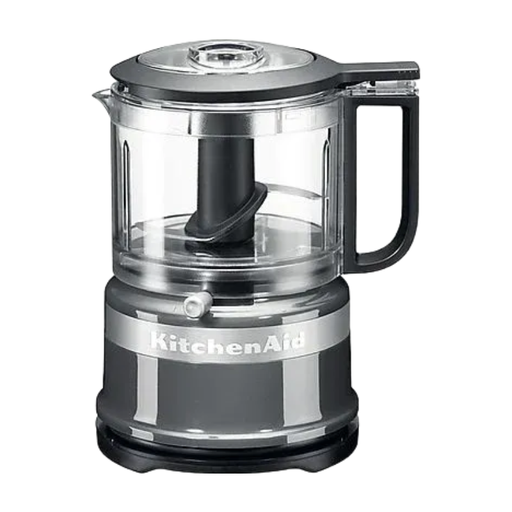
Why this product suits this profile: As a companion to a mini multi-cooker, this compact mini food processor chops, minces, mixes and purées small quantities.
The 0.83-litre work bowl is sized for small prep tasks, so it won’t be mistaken for a cooking pot.
240 W, two speeds plus a pulse function, with a dishwasher-safe bowl, lid and blade.
We’ve put together a complete, regularly updated list of products that meet these strict selection criteria and fully comply with the safety regulations in force in the EU.
For a single portion, 1.6 litres is often enough, as long as you don’t fill the pot to the brim. If you want to batch-cook, make two portions or cater for guests, a capacity of around 3.8 litres gives you more flexibility.
Unplug the appliance first and let it cool down completely. Clean removable parts according to the manufacturer’s instructions. Never immerse the motor or heating base in water. For non-stick coatings, use wooden, plastic or silicone utensils.
That depends on the power, running time, programme and electricity tariff. A small cooker may use less space and energy for individual portions, but it won’t replace every use of a hob. For a realistic estimate, compare the actual time you use it for with the energy-use formula above.