Android emulator users
If you test Android apps in your student room on virtual devices, the RAM actually installed and the requirements for emulation matter. Android Developers recommends 16 GB RAM for a good emulator experience.


First, decide whether you want to test Android apps or run the iOS Simulator locally with Xcode: for the latter, you’ll need a suitable Mac, while Android Studio can also be used on other compatible computers. Then choose between an emulator and a real Android device, and check the RAM actually installed, available SSD storage, ports and what’s included; Google’s recommendation of 16 GB RAM is for a good emulator experience, not a general requirement when buying a computer.
If you test Android apps in your student room on virtual devices, the RAM actually installed and the requirements for emulation matter. Android Developers recommends 16 GB RAM for a good emulator experience.
For Xcode and the iOS Simulator, macOS compatibility is essential. Apple Developer explains that the simulators are part of Xcode on macOS; check that the macOS version supported by your computer is compatible with the Xcode version you need.
If you want to keep using your existing screens and input devices, or start by testing on an Android device, consider the ports available, what’s included and how much room you’ll need for cables. Android Developers describes testing with a physical Android device as an alternative to using an emulator.
Google recommends 16 GB RAM for a good experience with the Android Emulator; this is not a general minimum requirement. Android Studio can also be used with a suitable physical Android device.
| What to consider | What to check before buying | Who is it important to? |
|---|---|---|
| Android emulator and resources | Check the RAM installed, not the maximum supported RAM; compare the available SSD storage with the requirements for hardware-accelerated emulation. | If I want to test Android apps locally on virtual devices, I need enough headroom for the emulator, development environment and projects. Around 33% of consumers rank the Android emulator as their top buying priority. |
| Local iOS testing | Check that the macOS version supported by the computer is compatible with the Xcode version you need; allow for the resources required if you’ll also be testing Android apps at the same time. | If my testing plan includes Xcode and the iOS Simulator, my choice of computer needs to meet those requirements first. Around 27% of consumers prioritise local iOS testing. |
| Desk setup and ports | Check that the video and USB ports are compatible with your monitor and test device; allow room for cables and ventilation. | If space on my desk is limited, I want to connect my existing devices without losing sight of how much usable space I have. Around 20% of consumers put a suitable desk setup first. |
| What’s included and upgrade options | Check the operating system, installed RAM and SSD, and any included desk accessories in the specific listing. | If I want to add missing components myself or upgrade later, I need to know exactly what’s included. Around 20% of consumers prioritise what’s in the box and the option to upgrade. |
Apple provides the iOS Simulator as part of Xcode on macOS. A Windows mini PC therefore won’t support this particular local testing setup.
First, decide whether you need Xcode and the iOS Simulator locally, then check that the macOS version supported by your computer is compatible with the Xcode version you need.
ASUS distinguishes between fully equipped mini PCs and kits for the NUC 14 Pro. The operating system, RAM and SSD included can vary by model.
Check the full model number and what’s included in the specific listing. Make sure you’ve accounted for any components that aren’t included.
Virtual device configurations are no substitute for testing on real Android hardware. Android Developers recommends testing apps on a real device as well before release.
Plan emulator tests and a suitable test on a physical device as separate steps.
Cancellation rights, statutory rights for faulty goods and any additional guarantee offered have different terms. A voluntary guarantee does not replace your statutory rights.
Check whether you’re buying from a business seller, and take note of the terms and exceptions that apply to each claim.
A good fit for local Xcode and iOS Simulator testing on a Mac.
The A5 Pro 2026 is a specifically named Windows mini PC configuration that could suit an Android-focused workflow.
The ThinkCentre M75q Gen 5 Tiny is worth considering if you want to compare specified Windows configurations and service options.
The NUC 14 Pro could suit anyone who wants to choose between different configurations.
The Cubi NUC 1M series is worth considering if documented ports and upgrade options matter to you.
The Joybuy products below are compact computers with different memory and operating system specifications. Check whether the specific configuration is compatible with your development tools; you’ll need a suitable Mac to run local iOS Simulator tests with Xcode.
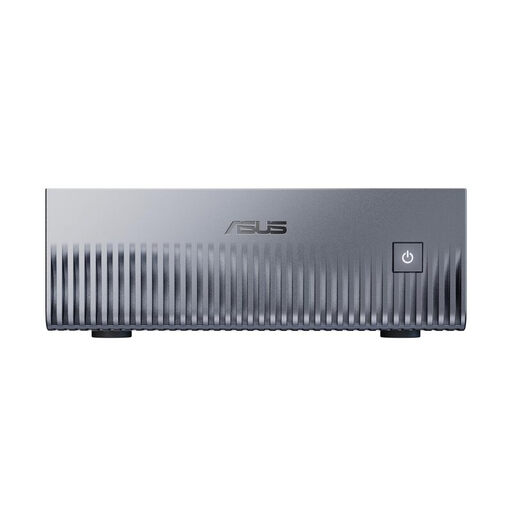 No image available
Only consider it if the development tools and your testing workflow are compatible with the specified DGX OS.
128 GB unified memory; 2-TB SSD; Linux (DGX OS).
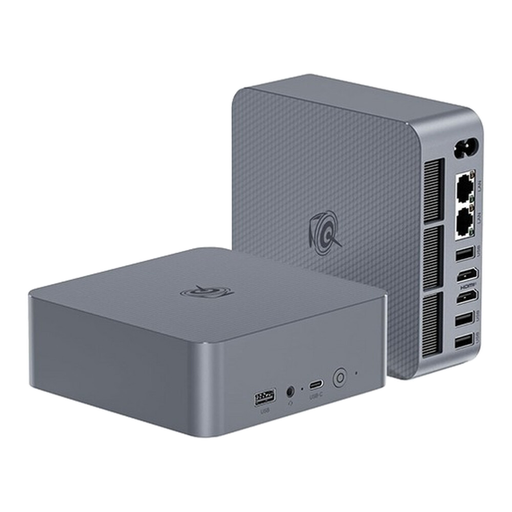 No image available
Could be suitable for Android development if the specified configuration meets your emulator and project requirements.
16 GB RAM; 512-GB SSD.
 No image available
Check out this configuration if you want to compare its specified RAM and SSD capacity with your development workflow.
Ryzen AI Max+ Pro 395; 128 GB RAM; 2-TB SSD.
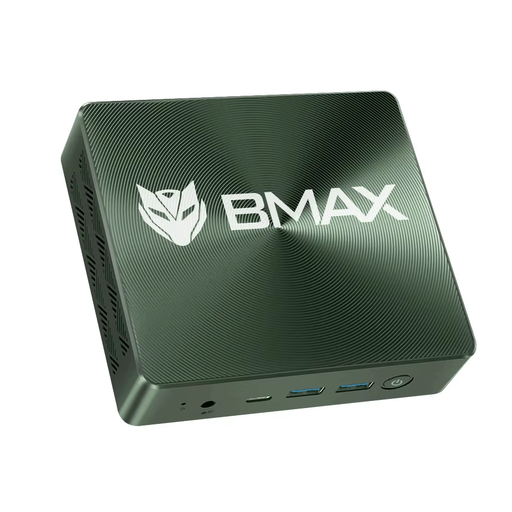 No image available
Compare the specified memory configuration with the requirements of your development tools and projects.
Intel Core i5-1030NG7; 16 GB LPDDR4; 512-GB NVMe SSD.
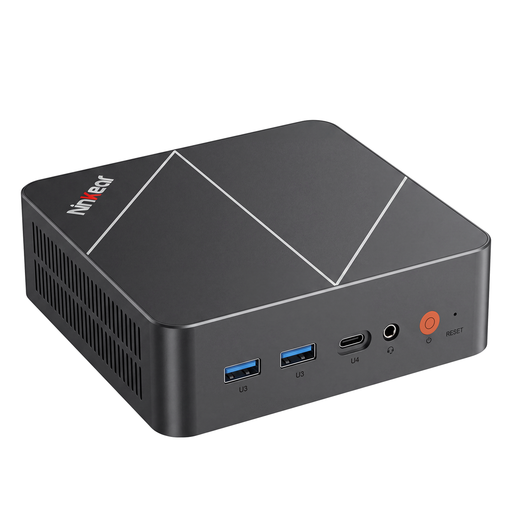 No image available
Consider this configuration if the specified processor suits your development workflow; check which SSD option is available before buying.
Intel Core Ultra 5 226V; 16 GB RAM; 512-GB or 1-TB SSD; Windows 11.
Not with Apple’s Xcode Simulator environment: Apple provides the iOS simulators as part of Xcode on macOS. Check that the macOS version supported by your computer is compatible with the Xcode version you need.
No. You can also use Android Studio to test apps on a physical Android device. Google lists USB and Wi-Fi as connection options; an emulator is also useful for checking virtual device configurations.
No. Android Developers recommends 16 GB RAM for a good experience with the Android Emulator; it is not a general requirement when buying a computer. You can also test on a suitable physical Android device without an emulator; if you’re running several virtual devices at once, allow for the additional resources they’ll need.
For a qualifying online consumer purchase from a business seller, you generally have a 14-day right to cancel from the date of delivery; statutory exceptions apply. According to Your Europe, consumers are entitled to at least two years of statutory protection for faulty goods from the date they receive them. A voluntary manufacturer’s guarantee does not replace these rights.
Not for every testing setup. Apple distinguishes between a free developer account for creating and testing apps and a membership that offers additional ways to share and publish them. Check the terms for your specific testing or publishing plans; buying a computer does not include this kind of membership.