Which mini PC is right for you?

Developers running long builds

If you regularly compile larger projects, look at the specific CPU configuration and how the system behaves under sustained load, not just advertised peak clock speeds. The CMake documentation explains how many parallel processes a build can use, but a Beelink SER8 test isn’t a performance result for other models.

Developers using an IDE and containers

If you run an editor, tests and other development environments at the same time, the amount of RAM and SSD storage actually installed is key to checking the system against your needs. GEEKOM, GMKtec and Lenovo offer different configurations and specifications.

Developers working beside a bright window

If you work beside a bright window, consider the readability of your external monitor separately from your PC’s performance. The BAuA addresses distracting daylight and glare protection as part of screen workstation design.

What should you look for when buying?

Configurable x86 mini PC

A good fit if: Your toolchain runs on x86 and you want to match the RAM, SSD or ports to your development setup.

Consider: Barebone offers don’t necessarily include RAM, an SSD or an operating system. RAM capacity limits for the GMKtec K8 Plus also differ between regional manufacturer websites.

Business mini PC

A good fit if: You want to compare a specific specification and clearly stated service options.

Consider: Lenovo ThinkCentre M75q Gen 5 configurations vary in areas such as processor, SSD and service. Check the specific product number.

Mac mini for macOS development

A good fit if: Your required tools or target platforms need or support macOS or Apple chips.

Consider: Check that your specific toolchain is compatible and choose the storage and SSD configuration you need. The specifications don’t prove a build-time advantage over x86 devices.

Buying priority What to check before buying Who is it relevant to?
Builds and sustained workloads CPU and specific device configuration; cooling and power profile under sustained load If I regularly build larger projects, I want to assess the specific configuration under sustained load. Around 36% of consumers put builds and sustained CPU workloads first.
RAM and tools running in parallel RAM and SSD actually installed; upgrade options for the chosen configuration If my IDE, tests and other tools run at the same time, I’ll compare the supplied specification with my needs. Around 29% of consumers prioritise several development tools running in parallel.
Screen readability beside a window Monitor positioning and glare protection; check for a suitable video output if you already have a monitor If daylight makes my screen difficult to read, I want to plan my workstation setup independently of computing performance. Around 21% of consumers put screen readability beside a window first.
Toolchain and what’s included Operating system and platform compatibility; for barebone offers, check for RAM, SSD and operating system If my development tools are tied to a platform, or I want my mini PC ready to use, I’ll check compatibility and which components are included. Around 14% of consumers prioritise their toolchain and a complete package.

Common buying mistakes

  • Confusing upgrade capacity with what comes in the box

    A stated upgrade limit doesn’t tell you which components are already included in the configuration you select.

    Check the exact configuration and what’s included before ordering. A barebone system may need RAM, an SSD and an operating system purchased separately.

  • Taking a regional maximum RAM figure at face value

    The German and US manufacturer websites give different maximum RAM capacities for the GMKtec K8 Plus.

    If you’re planning an upgrade, check the supported capacity for the specific version on sale instead of relying on one of the regional figures without checking.

  • Treating peak figures or another mini PC’s results as your own build performance

    In ComputerBase’s Beelink SER8 test, different power profiles affect power consumption and fan noise. These measurements don’t apply to other models.

    Compare build times only with results for the exact device and, where possible, your own workload.

  • Expecting a more powerful mini PC to fix reflections

    Glare is a matter of the screen and workstation setup, not the mini PC’s processing power.

    Check monitor positioning and glare protection separately from your choice of processor. The BAuA addresses distracting daylight at screen workstations separately from computer hardware.

Key brands to consider

GMKtec

The NucBox K8 Plus is available as a Ryzen 7 mini PC in both barebone and fully equipped versions.

  • The German manufacturer website lists two SO-DIMM slots, two M.2 slots and several video outputs.
  • Maximum RAM capacity differs between regional manufacturer websites. If you’re planning an upgrade, check the supported capacity for the specific version.

GEEKOM

The A8 Max is available in separate Ryzen 7 and Ryzen 9 configurations.

  • For the A8 Max, GEEKOM lists upgradeable DDR5 memory and two 2.5 Gbit/s LAN ports.
  • The manufacturer’s claim of quiet operation under sustained use isn’t an independent noise measurement and can’t be applied to other models.

Lenovo

The ThinkCentre M75q Gen 5 Tiny is worth considering when comparing specific business configurations and stated service options.

  • Lenovo’s German product page lists versions with different processors, SSDs and service options.
  • You can’t tell the specification or service options from the family name alone; check the specific product number.

ASUS

The NUC 15 Pro+ is worth considering if replaceable SO-DIMM memory and documented monitor connections matter to you.

  • ASUS lists up to 96 GB DDR5 SO-DIMM for the product line, along with HDMI and Thunderbolt connections.
  • The manufacturer’s specifications don’t confirm what’s included in every version on sale or how quickly it will build projects. Advertised cooling and speed benefits aren’t independent comparative measurements.

Apple

The 2024 Mac mini is an option for development tools and target platforms that are compatible with macOS and Apple chips.

  • Apple documents M4 and M4 Pro configurations with different memory, SSD and display options.
  • The specifications don’t confirm compatibility with a particular project or a performance advantage when compiling.

Mini PCs for development and build workstations

These mini PCs are options for compact build workstations. Check that the processor platform, RAM, SSD and ports suit your toolchain and the tools you use at the same time.
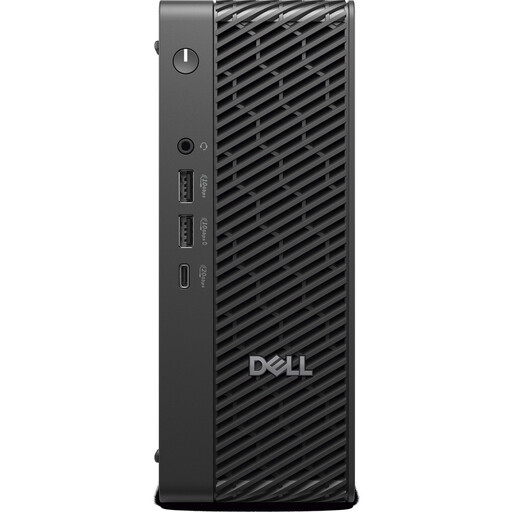
Dell Pro Max Micro FCM2250 MFF, Intel Core Ultra 7 265 vPro, 32 GB DDR5 RAM, 1 TB SSD

Dell Pro Max Micro FCM2250 MFF, Intel Core Ultra 7 265 vPro

An option for a compact build workstation if you want to check how the listed processor and memory configuration will handle the tools you run in parallel.

The product title lists 32 GB DDR5 RAM, a 1 TB PCIe NVMe SSD, Windows 11 Pro and Intel Graphics. This doesn’t indicate a specific build time.

View at Joybuy

ACEMAGIC E3B Mini Desktop Computer, AMD Ryzen 7 7735HS, 24 GB LPDDR5 RAM, 512 GB NVMe SSD

ACEMAGIC E3B Mini Desktop Computer, AMD Ryzen 7 7735HS

An option if you want to check that the listed RAM and SSD specification, along with the monitor connections, suits your development workstation.

The product title lists 24 GB LPDDR5 RAM, a 512 GB NVMe SSD and two M.2 2280 slots (Up to 4TB). HDMI, DP and USB-C are also listed, along with triple-display support.

View at Joybuy
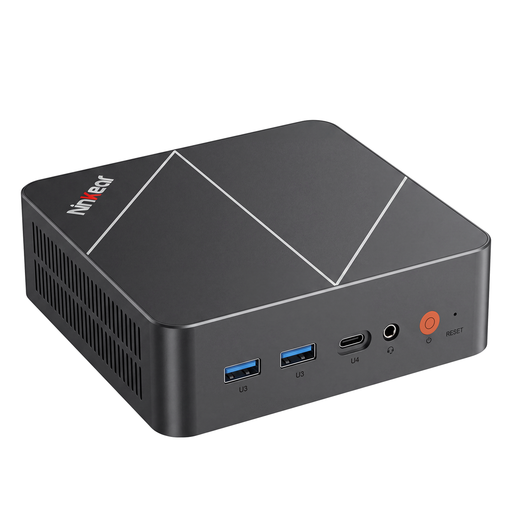
Ninkear L20 Mini PC, Intel Core Ultra 5 226V, 16 GB RAM, 512 GB or 1 TB SSD

Ninkear L20 Mini PC, Intel Core Ultra 5 226V

An option for a compact workstation if the RAM and SSD version on offer suits the needs of your local projects.

The product title lists 16 GB RAM, a choice of 512 GB or 1 TB SSD, and Windows 11. The choice of configuration doesn’t indicate a specific build performance.

View at Joybuy

FIREBAT Mini PC, AMD Ryzen 7 7735HS, 16 GB RAM, 512 GB SSD

FIREBAT Mini PC, AMD Ryzen 7 7735HS

An option if you want to check that the listed specification, expansion options and display connections suit your development workstation.

The product title lists 16 GB RAM, a 512 GB SSD, two M.2 slots and triple-display support. These details don’t indicate a specific build time.

View at Joybuy

Frequently asked questions

Will a mini PC make a screen beside a window easier to read?

No, the CPU specification won’t remove reflections from an external monitor. Check monitor positioning and glare protection separately from your choice of PC. The BAuA treats distracting daylight as a matter of screen workstation design.

What else do I need if I buy a barebone version?

The barebone option in the GMKtec K8 Plus offer referred to in the product details doesn’t include RAM, an SSD or an operating system. Before buying, check the version you’ve selected and the compatibility of any components you need to buy separately.

How can I tell whether running more build jobs in parallel will help?

CMake lets you limit the number of build processes running at the same time. Where possible, compare the same build using identical settings. The CMake documentation doesn’t promise a specific time saving from increasing the number of processes.

What are my rights when buying online in Germany?

For applicable distance contracts with consumers, there is generally a 14-day right to cancel from the day you receive the goods, although exceptions may apply. The European Union’s Your Europe website also says that when you buy from a business seller, you have at least two years of legal guarantee from the date you receive the goods. The right to cancel and your rights when goods are faulty are separate matters.

Is there a set brightness figure for using a mini PC beside a window?

No. A mini PC doesn’t have a built-in work screen, and its processor choice doesn’t determine the brightness of an external monitor. The BAuA treats distracting daylight at screen workstations as a matter of workstation design and glare protection.