What should you look for when buying?
First, check that the computer, monitor and accessories will work together on your shared desk. Then consider whether the software environment suits you and what’s actually included. Upgrade options matter most if you think you’ll use them later.
| What matters to you |
What to check when buying |
Who is this important to? |
| Space and ports |
Check the case dimensions and port positions against your workspace, existing monitor and accessories. |
If you share a desk, you’ll want to connect your devices and position the mini PC sensibly. Around 33 % of consumers say space and port layout are their top priorities. |
| Getting started with Python |
Check which operating systems are supported and how much RAM and storage are actually installed. |
If you want to set up Python and an editor, the software environment should suit the way you learn. You don’t need to choose a higher-performance option just because of the processor name. Around 27 % of consumers say getting started with Python easily is their top priority. |
| Everything included |
Check that the specific configuration includes an operating system, RAM and an SSD; factor in any missing components and set-up. |
If you want to get started without sourcing extra hardware and setting it up, it’s essential to check what’s included. Around 20 % of consumers prioritise a PC that’s ready to use straight away. |
| Upgrading later |
Check the RAM and SSD slots, as well as the supported capacities for the exact model. |
If you’ll need more storage later, check whether the configuration you choose can be upgraded. Around 20 % of consumers say upgradeability is their top priority. |
Mini PCs at Joybuy
This product selection features mini PCs for getting started with Python at a shared desk, from compact entry-level configurations to options with more RAM or additional ports.
 No image available
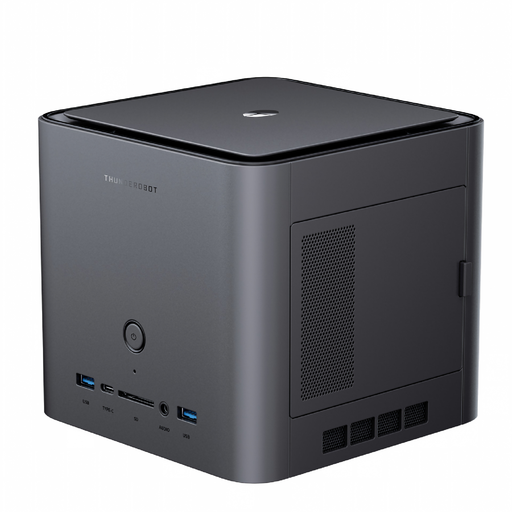
Thunderobot Mini PC Workstation AI Max+ 395, 128 GB LPDDR5X, 1 TB SSD
Could be worth considering if you need a particularly large amount of RAM as well as a PC for getting started with Python; you don’t automatically need such high performance for your first projects.
The product title lists a Ryzen AI Max+ 395, 128 GB LPDDR5X at 8000 MT/s, a 1 TB SSD and Wi-Fi 7.
Joybuy
 No image available
ACEMAGIC AK1PLUS Mini PC, Intel Celeron N5095, 16 GB RAM, 256 GB SSD
An option if you’re looking for a mini PC whose title specifies Windows 11 Pro and an HDMI port.
The product title lists 16 GB LPDDR4X, a 256 GB M.2 2280 SATA SSD, HDMI 2.0, Wi-Fi 5 and Windows 11 Pro.
Joybuy
 No image available
ACEMAGIC E3B Mini Desktop Computer, AMD Ryzen 7 7735HS, 24 GB RAM, 512 GB SSD
Could suit you if you want to consider having several ports for connecting monitors, as well as getting started with Python.
The product title lists 24 GB LPDDR5, a 512 GB NVMe SSD, two M.2 2280 slots, HDMI, DP and USB-C, as well as Windows 11 Pro.
Joybuy
 No image available
MaxMini B3 Mini PC, Intel N4100, 8 GB RAM, 256 GB SSD
A compact entry-level configuration to assess against the programmes you plan to use and your editor’s requirements.
The product title lists an Intel N4100 up to 2.4 GHz, 8 GB LPDDR4, a 256 GB SSD, dual HDMI, 1000M LAN, 2.4G/5G Wi-Fi and Bluetooth 5.0. According to the description, the device is for indoor use only; use the supplied power adapter, keep the ventilation openings clear and don’t open the case.
Joybuy
 No image available
BMAX B7A Plus Mini PC, AMD Ryzen 5 6600H, 12 GB RAM, 512 GB SSD
Could be a good fit for a shared desk if the dimensions listed in the title suit the space you have available.
The product title lists 12 GB LPDDR5 and a 512 GB NVMe SSD. According to the description, the case measures 113 × 113 × 44.5 mm; use the original power adapter and make sure there’s adequate ventilation.
Joybuy
Frequently asked questions
Does a mini PC need to be particularly powerful for learning Python?
Not just because you’ll be using Python and Visual Studio Code. Microsoft recommends a processor of at least 1.6 GHz and 1 GB RAM for the editor; this recommendation doesn’t cover the whole computer, including the operating system, browser and future projects. Choose the specifications to suit the programmes you want to use at the same time.
How can two people use the same Windows mini PC?
Windows supports multiple user accounts, each with its own settings and documents, as Microsoft Support explains. Set up a separate account for each person so that learning projects and sign-ins aren’t kept in one shared profile.
What extra components might a barebone need?
According to ASUS Germany, the ASUS NUC 14 Essential kit includes neither RAM nor a storage drive, and no operating system is pre-installed. Before buying, check which parts and set-up the specific configuration still needs.
What should I know about faults and online purchases in Germany?
Your statutory rights against the seller are not the same as a voluntary guarantee, as the consumer advice centre explains. Online purchases generally come with a 14-day right to cancel; the consumer advice centre notes that you must notify the other party to the contract that you wish to cancel.
What should I check in a mini PC’s conformity information?
The German Federal Network Agency lists checks including correct CE marking, manufacturer details, and the required German-language instructions and warnings. General information about labelling requirements doesn’t confirm that a particular offer complies; check the details for the specific device.


