Choose a computer based on the size of your photo archive, the image-editing software you use and the space available. A mini PC is better suited to a small desk, while a tower PC is a better fit for a workspace where you plan to add internal components. Back up your original images and exports separately from your PC, and make sure the RAM, storage, ports and accessories suit your particular workflow.
Which type of computer is right for you?
Collectors with a growing photo archive
If you want to keep your original images easy to find and protect them from data loss, plan for local storage and a separate backup method. Germany’s Federal Office for Information Security explains the importance of regular data backups.
Hobbyist photo editors
If you regularly browse and edit photos, check your computer’s configuration against the requirements of the specific software and features you use. Adobe’s requirements vary depending on the Photoshop version and how you use it.
Photography enthusiasts with a small desk
If you want to keep using your existing workspace, check the footprint, monitor connections and potential upgrades for the specific model, rather than choosing based on the case size alone.
What should you look for when buying?
Start by checking storage and backups, then look at what your image-editing software requires. Finally, make sure the case and ports suit your workspace.
| Buying priority |
What to check before you buy |
Who should pay particular attention? |
| Storage and backups |
Check the size of your current and future archive, SSD capacity, and whether you have a separate backup method for your originals and exports. |
If I manage a growing photo archive, I need space for original images and a separate backup. Around 40% of consumers put storage and backups first. |
| Photo-editing software |
Check the software, version, features, operating system, RAM and available SSD space. For Photoshop 27.x and later, Adobe lists 8 GB RAM as the minimum and recommends 16 GB or more (as at 16 September 2026). |
If you edit regularly, you want to run your chosen software without unnecessary bottlenecks. Around 30% of consumers prioritise compatibility with their photo-editing software. |
| Monitor and device connections |
Check that the video outputs and ports for card readers or drives match your existing devices, and check what’s included in the box. |
If I want to keep using my monitor and photo accessories, they need to connect directly to the computer. Around 20% of consumers pay particular attention to ports and how well a computer fits into their workspace. |
| Desk space and case |
Measure the space available and check the upgrade options for the specific model. |
If desk space is limited, a compact case is important, provided the features and device connections still meet your needs. Around 10% of consumers put a small footprint first. |
Common buying mistakes
-
Assuming a Lightroom Classic catalogue backup is a complete photo backup
Adobe explains that this backup only includes the catalogue file, not your edited photos or exports.
Plan separate backups for your original images, exports and, if needed, the catalogue. Check that you can restore the backed-up files.
You’ll need to plan for a separate storage device or another suitable solution for an independent backup.
-
Choosing a mini PC based on size alone
Ports, what’s included in the box and upgrade options vary by model and configuration.
Check the specific version against your monitor, import devices and future storage needs.
Depending on the available ports, you may need adapters or extra input devices.
-
Assuming every model in a product family has the same specifications
Even within the same product family, the operating system, graphics and other components can vary between configurations.
Compare the full model identifier and the specifications of the exact version you’re considering.
Key brands at a glance
Apple
The Mac mini is a compact macOS option, with different RAM and SSD configurations listed by Apple Germany.
- COMPUTER BILD describes the Mac mini M6 it tested as compact and quiet.
- According to COMPUTER BILD, the tested model could not be upgraded. This assessment applies to the Mac mini M6 that was tested.
Dell
Dell tower PCs are Windows desktops for a dedicated workspace with room for a larger case.
- Dell lists Windows 11 Home, 16 GB DDR5 and a 1 TB SSD for one specific ECT1250 configuration.
- Specifications can vary between configurations, so don’t assume they’re the same based on the product family name alone.
HP
HP’s range includes OmniDesk desktop models and other form factors.
- HP lists 32 GB RAM and a 2 TB SSD for the OmniDesk M02-0770ng.
- These manufacturer specifications apply to the version named and don’t guarantee a particular editing speed or the same features in other OmniDesk models.
Lenovo
ThinkCentre tower PCs are designed for a dedicated workspace, making them worth considering if internal upgrades matter to you.
- Lenovo promotes the M Series towers as upgradeable.
- Check which drives and interfaces can actually be upgraded or added on the specific model.
GEEKOM
The A5 Pro 2026 is a compact Windows mini PC, with Ryzen 5 7530U specifications listed by the manufacturer.
- For the A5 Pro it tested with a 7530U, 16 GB RAM and 1 TB storage, COMPUTER BILD highlights its small size and upgradeable storage.
- According to COMPUTER BILD, the keyboard and mouse weren’t included with this tested configuration.
Joybuy products for your photo workspace
The Joybuy products below include Windows tower PCs for a dedicated workspace and a compact Mac mini. Compare their upgrade potential and operating systems with your software and existing devices.
 No image available
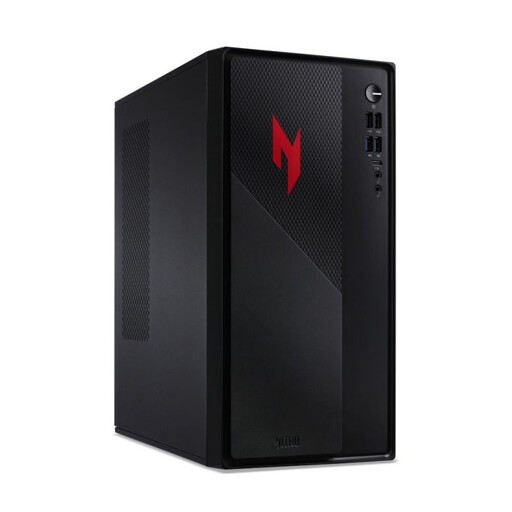
Acer Nitro 20 N20-100 Desktop i5
A Windows tower PC for a workspace with a local photo archive. Specifications include 32 GB RAM, a 1 TB SSD and an additional 1 TB HDD.
Other details listed in the product name: RTX 5060 and Windows 11 Home.
Joybuy
 No image available
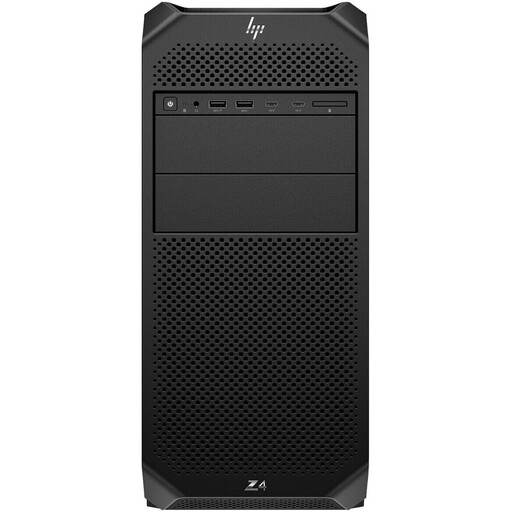
HP Z4 G5 Tower Workstation
A tower workstation for a dedicated workspace. Check that the ports and exact configuration suit your devices and software.
Xeon W W3-2535 at 3.5 GHz, 64 GB RAM, 1 TB NVMe SSD and RTX 4000 Ada; Windows 11 Pro.
Joybuy
 No image available
HP Z1 Tower G1i A40T1ET#ABD
For a dedicated tower PC workspace. Check that the listed specifications meet the requirements of your image-editing software.
Core Ultra 9 285, 64 GB DDR5-5600, 1 TB M.2 SSD and Intel Graphics; Windows 11 Pro.
Joybuy
 No image available
Lenovo ThinkStation P2 Tower Gen2
For a tower PC workspace where a card reader would be useful for importing photos. Check that there’s enough storage for your archive and working files.
Core Ultra 7 265, 32 GB DDR5, 512 GB NVMe SSD and NVIDIA RTX A400 with 4 GB; Windows 11 Pro. Product details list an integrated card reader.
Joybuy
 No image available
Apple Mac mini M6, 24 GB, 512 GB SSD
A compact option for a small workspace, provided your software is compatible with macOS and the storage capacity suits your archive.
24 GB unified memory, 512 GB SSD, HDMI and three Thunderbolt 4 ports. According to the product details, the keyboard and mouse are sold separately.
Joybuy
Frequently asked questions
Does a PC for a photo library need at least 16 GB RAM?
Not for every photo library. For Photoshop 27.x and later, Adobe lists 8 GB RAM as the minimum and recommends 16 GB or more (as at 16 September 2026). Check the requirements for the software and features you actually use.
How do I back up a Lightroom Classic library?
Back up your original images and exports separately from your Lightroom Classic catalogue backup, which Adobe says only includes the catalogue file. Germany’s Federal Office for Information Security recommends backing up important data; an external storage device is one option.
What else should I plan to buy with my computer?
Check whether you already have a suitable monitor, keyboard and mouse, and whether you need additional ports or a separate backup method. According to COMPUTER BILD, the keyboard and mouse weren’t included with the Mac mini M6 it tested. For other computers, check the specifications of the exact model.
What rights do I have when buying a PC online in Germany?
When buying online, consumers generally have a 14-day right to cancel. The Verbraucherzentrale (German consumer advice centre) explains the time limit and conditions (as at 13 August 2026). Your statutory rights if a product is faulty are separate from any voluntary guarantee, as the Verbraucherzentrale explains (as at 28 September 2026).


