For several VMs running at the same time, a tower is worth considering if you’re planning to expand your system later. If desk space is limited, a mini PC may be a good fit, provided its specific configuration meets the needs of both the host and guest VMs. Plan your memory requirements together and compare the installed RAM, SSD and potential upgrade options for each model. For Hyper-V, Microsoft Learn specifies Windows 11 Pro or Enterprise, as well as compatible hardware – Windows 11 Home alone isn’t sufficient.
Who needs what
Running several VMs at once
If you’re starting several guest VMs at the same time, you’ll need to allow for their memory requirements as well as those of the host. Microsoft Learn notes that the host and VMs running in parallel need enough memory between them.
Using Hyper-V specifically
If you want to use Hyper-V on a Windows desktop, check the Windows edition and make sure the specific configuration has the required processor and firmware features.
VMs on a small desk
If space is limited, consider a compact desktop. At the same time, check the installed RAM and the upgrade options available for the model you’re considering.
What to look for when buying
Expandable tower
A good fit if: you plan to run several VMs at the same time, or want to add drives or expand the memory later.
Consider: A tower may offer room for upgrades, but it won’t necessarily come with enough RAM. The configuration you order is what matters.
Compact business PC or mini PC
A good fit if: desk space is limited and your planned VMs can run within the available memory, or memory you can add later.
Consider: The size of the case doesn’t tell you how much RAM is installed or what upgrades are possible with a particular model.
| What you need |
What to check before buying |
Who is this especially important for? |
| RAM for VMs running in parallel |
Allow for the memory needs of the guest VMs you plan to run at the same time, plus the host; check the installed RAM and the upgrade limit for the specific model. |
If I run several guest VMs at once, the computer needs enough memory for them as well as the host. Around 36% of consumers put RAM for parallel VMs first. |
| Hypervisor compatibility |
Choose your preferred hypervisor; for Hyper-V, check the Windows edition, SLAT and whether hardware virtualisation can be enabled. |
If Hyper-V is a must-have, you’ll want to check the operating system and hardware for the required features before buying. Around 29% of consumers prioritise compatibility with their chosen hypervisor. |
| Space for VM files |
Allow for the host, virtual disks and backups separately; check the SSD capacity and whether the model can take additional drives. |
If you need enough room for VM files and backups, the drive configuration needs to suit your plans. Around 21% of consumers put this storage requirement first. |
| Desk space and day-to-day use |
Check the case dimensions and ports, as well as future RAM and SSD needs; make sure power consumption suits how you plan to use the computer. |
If you need to fit a desktop PC on a small desk, look for compact dimensions without overlooking the specification. Around 14% of consumers prioritise a compact home-working PC. |
Common buying mistakes
-
Assuming Windows 11 Home supports Hyper-V
For Hyper-V on Windows, Microsoft Learn specifies Windows 11 Professional or Enterprise, along with other hardware requirements. Choosing the right edition alone doesn’t guarantee that all the necessary processor and firmware features are available.
If Hyper-V is part of your plan, check the Windows edition and the requirements for the specific configuration. Other virtualisation options have their own requirements.
-
Confusing a product range’s maximum RAM with the installed RAM
A supported maximum capacity doesn’t tell you how much memory is already installed in the computer on offer. ASUS says the NUC 15 Pro+ supports up to 96 GB of DDR5 RAM; individual models may have different specifications.
Check the installed memory, available upgrade options and the maximum capacity for the specific model separately.
-
Assuming every model in a range has the same specification
Processor and other specifications can vary even within the same product range. The QBT1250 configurations described here list different processors.
Before ordering, check the processor, RAM, SSD, Windows edition and full model identifier shown on the specific offer.
-
Choosing a desktop solely for peak performance
A high-spec computer isn’t automatically the right choice for your VM plans. The German Environment Agency recommends considering both the computing power you need and energy consumption when buying a new computer.
Compare computers based on the VMs you actually want to run at the same time, and take energy consumption into account when making your choice.
Brands and product ranges to consider
HP
The HP Z2 Tower G1i configuration A40T1ET#ABD is listed with Windows 11 Pro, 64 GB RAM and a 1 TB SSD.
- This specific tower model has a clearly stated base specification, making it easier to compare with your VM plans.
- These details apply to A40T1ET#ABD, not every Z2 model. Check the RAM and graphics card listed for the specific offer separately.
Lenovo
Lenovo’s ThinkCentre M90q Gen 6 is a range of compact business PCs; one listed model combines Windows 11 Pro, 24 GB RAM and a 512 GB SSD.
- Lenovo describes the M90q Gen 6 case as a 1-litre system.
- Specifications and Windows editions vary by model. Don’t assume the installed RAM or Windows 11 Pro from the model name alone.
Dell
The Dell Pro Tower Plus QBT1250 is a configurable tower range; one listed configuration specifies Windows 11 Pro and 16 GB RAM.
- You can compare the specific configuration with your needs based on the specification actually listed.
- QBT1250 doesn’t refer to one standard processor or RAM specification. Check the full model details and don’t assume they apply to other offers.
ASUS
The ASUS NUC 15 Pro+ is a mini PC range designed for compact workspaces, with the potential to upgrade its memory.
- ASUS says the range supports up to 96 GB of DDR5 RAM and has a case volume of 0.7 litres.
- The maximum supported RAM doesn’t tell you how much memory is installed in a particular offer, or confirm that it will meet the needs of your VM plans.
Joybuy desktops for virtual machines
The Joybuy models below include compact mini PCs and tower desktops. Compare the RAM, SSD and operating system in each specific configuration with your planned VMs and the needs of the host system.
 No image available
SOYO Y5Pro Mini PC, Intel Core i5 8250U/8350U
Its compact design could suit a workspace with limited desk space. Check whether the stated memory is enough for the host and your planned guest VMs.
Intel Core i5 8250U/8350U, 8 GB DDR4, 256 GB SATA SSD, Windows 11.
For Hyper-V, also check the Windows edition and the required hardware features.
View at Joybuy
 No image available
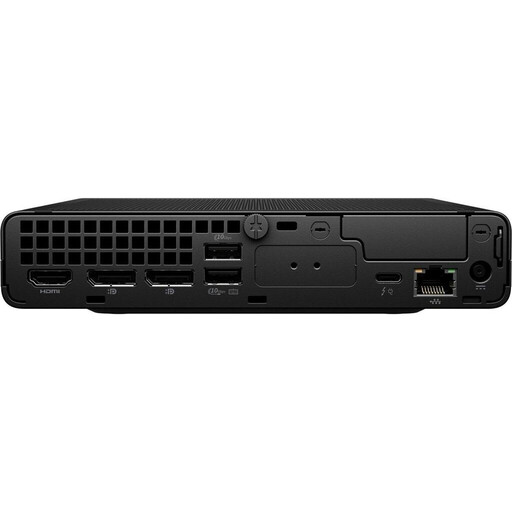
HP EliteDesk AI Mini 8 G1i 623K2ET
Its compact design could work well where space is limited. Check the specific RAM configuration against the needs of all your VMs running in parallel, as well as the host.
Intel Core Ultra 9 285T, 64 GB DDR5-5600, 1 TB M.2 SSD, Intel Graphics, Windows 11 Pro.
Windows 11 Pro is listed; for Hyper-V, also check that the required hardware features are available.
View at Joybuy
 No image available
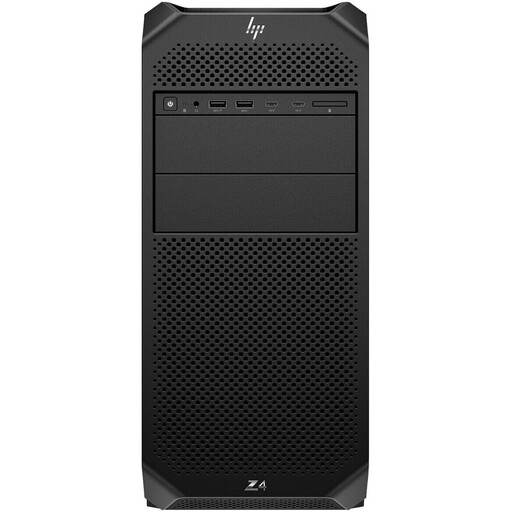
HP Workstation Z4 G5 Tower
This tower could suit a fixed workstation setup with the potential to expand your system. Check the specification of the model you’re considering in detail.
Xeon W3-2535 at 3.5 GHz, 64 GB DDR5, 1 TB NVMe SSD, RTX 4000 Ada, Windows 11 Pro.
The listed specification doesn’t remove the need to plan the combined RAM requirements of the host and guest VMs.
View at Joybuy
 No image available
HP Z2 Tower G1i A40MMET
This tower could suit a fixed workstation setup. Compare the stated SSD capacity with the space you’ll need for your virtual disks.
Intel Core Ultra 7 265, 32 GB DDR5-5600, 2 TB M.2 SSD, Intel Graphics, Windows 11 Pro.
For Hyper-V, check the hardware requirements for this specific configuration as well as Windows 11 Pro.
View at Joybuy
 No image available
Lenovo ThinkStation P2 Tower Gen2
This tower is designed for a fixed workstation setup. Compare its available storage with the needs of the host, guest VMs and virtual disks.
Intel Core Ultra 7 265, 32 GB DDR5, 512 GB NVMe SSD, NVIDIA RTX A400 4 GB, Windows 11 Pro.
For Hyper-V, also check the hardware requirements for this specific configuration.
View at Joybuy
Frequently asked questions
Is Windows 11 Home enough for Hyper-V?
No, not for the Hyper-V feature on Windows described here: Microsoft Learn specifies Windows 11 Professional or Enterprise. You’ll also need to meet the hardware requirements, including SLAT and enabled hardware virtualisation. This applies to Hyper-V, not every hypervisor available.
How should I plan RAM for my VMs?
List the VMs you plan to run at the same time and allow for their memory requirements as well as those of the host. Microsoft Learn gives 4 GB as a general minimum for planning Hyper-V, but stresses that the host and VMs running in parallel need enough RAM between them. This minimum isn’t a buying recommendation for running several VMs.
Are VM checkpoints a complete backup?
Plan your backups separately. Microsoft Learn describes checkpoints, which let you roll a VM back to an earlier state before changes were made, and documents separate backup procedures for Hyper-V. Remember to allow for the storage space you’ll need.
What are my rights when buying online as a private individual in Germany?
When you buy from a business, you’re generally entitled to at least two years of statutory protection against faulty goods from the date you receive them. An additional manufacturer’s warranty doesn’t replace these rights. For distance sales, you generally have a 14-day right to cancel from the date of delivery, subject to legal exceptions, such as goods made to your specifications. The European Union’s Your Europe website explains these rules for consumer purchases; they don’t apply in the same way to purchases from private individuals.


