
Lieferung heute & morgen

Qualitätsgarantie

Willkommens-Angebote freischalten: KOSTENLOSE Lieferung | Bis zu 80 % RABATT | Kostenlose 30-Tage-JoyPlus-Testphase
App herunterladen
A mini sewing machine can be useful for small repairs, creative DIY projects and your first sewing attempts. It takes up little space and, depending on the model, is easier to transport than a conventional electric sewing machine. However, compact machines vary considerably in terms of operation, power supply and fabric handling.
Focusing only on a small product size or a high number of stitch patterns can mean overlooking important details. Three common purchasing misconceptions are particularly relevant:
A sewing machine with 12 stitch patterns offers various options for basic straight stitches, decorative stitches and hems. However, the number alone says little about the quality of the seam. Clear selection, even fabric feeding and a suitable stitch length are more important.
The IAGREEA Mini Sewing Machine described here is listed as having 12 integrated stitch patterns. According to the product description, it is suitable for cotton, linen, chiffon, denim, corduroy and other commonly used fabrics. Nevertheless, take care when working with several layers or very thick materials, and check the maximum material thickness in the instruction manual. A mini sewing machine cannot necessarily replace a larger household machine for heavy upholstery fabrics or extensive alterations.
For sewing beginners, a small number of clearly identifiable controls is often more helpful than numerous manual settings. Look for:
According to the product description, the IAGREEA Mini Portable Electric Sewing Machine has one-button control and low and high speed settings. This can make initial practice easier. Nevertheless, children and beginners should first practise on fabric scraps before working on clothing.
A battery-powered sewing machine offers flexibility for craft projects away from a power socket. Dual power is useful if both mains operation and batteries are supported. Before buying, check whether batteries are included and which type is required.
According to the specifications, the IAGREEA model supports both mains and battery operation and has an integrated carry handle. An LED light can make the sewing area easier to see in poorer room lighting. However, it is not a substitute for good task lighting. For precise seams, the table should be stable and provide sufficient room for guiding the fabric.
A small sewing machine for beginners is particularly suitable for people who occasionally want to hem trousers, close loose seams, make clothes for dolls or create decorations. A compact model can also be useful as a sewing machine for DIY projects, provided the work does not regularly involve very thick materials.
For parents, the rule is: a sewing machine for children should only be used under direct supervision. Before starting, check the needle position, power supply and safe seating position. With younger children, prepared pieces of fabric and simple, short tasks can reduce the risk of accidental operating errors.
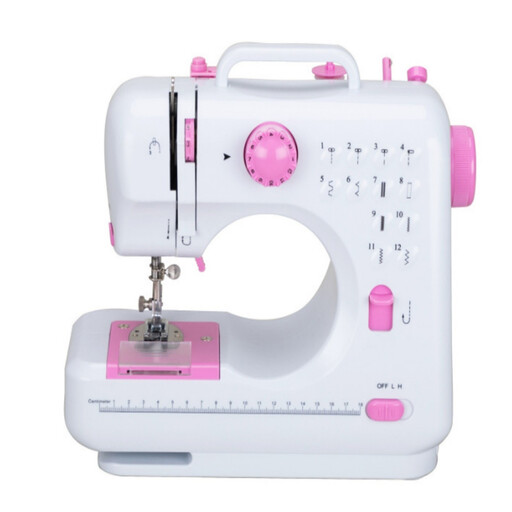
Why this product suits this profile: This compact electric sewing machine is designed for easy operation, minor repairs and first DIY projects. Two speed settings can make it easier to get started.
The specifications list specific functions rather than focusing solely on the machine’s size: 12 stitch patterns, dual-power operation, LED lighting and a thread cutter.
12 integrated stitch patterns, mains and battery operation, a carry handle and LED illumination of the sewing area.
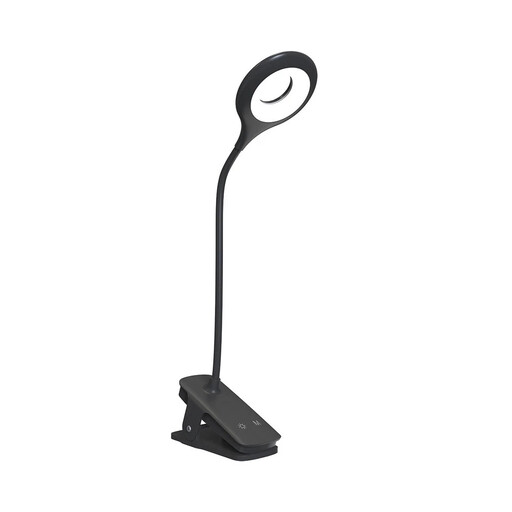
Why this product suits this profile: This LED lamp is not a sewing machine, but it complements a dedicated sewing area when flexible task lighting is needed.
The clip provides a separate light source, so the LED function on a mini sewing machine does not have to be the only lighting on the table.
Five brightness levels, five light modes, a USB-C charging port and a stated operating time of 4 to 32 hours, depending on the mode.
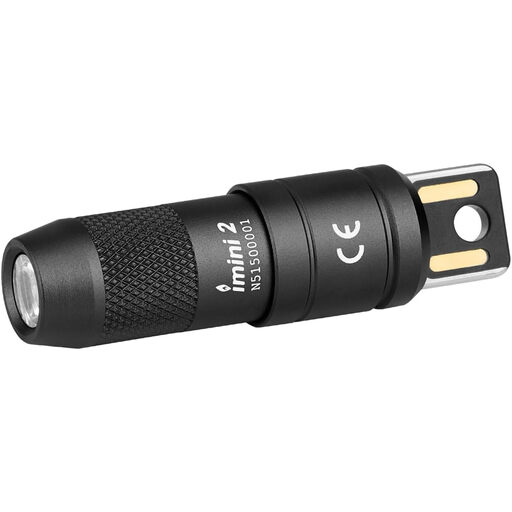
Why this product suits this profile: For mobile craft kits, sewing accessories on the go or poorly lit storage areas, this small torch provides a separate light source.
The light works independently of the sewing machine and can be positioned flexibly while the machine is switched off. Do not point it directly at your eyes.
55 mm length, 19.5 g weight, integrated USB plug and magnetic attachment.
Before starting your first project, check the thread path, bobbin and needle position using the instructions. Begin by testing the machine on a scrap of fabric. This will help you determine whether the thread tension, stitch length and speed are suitable for the material.
For repairing clothes, suitable tasks include loose hems, small openings in seams or simple alterations. Elastic fabrics, several layers of denim and very fine materials may require more practice. Do not pull the fabric forcibly through the machine, as this can put strain on the needle and result in an uneven seam.
Also pay attention to:
We have put together a complete, regularly updated list of products that fully meet these strict selection criteria and the safety regulations applicable in the EU.
Yes, a compact model can be suitable for simple seams, hems and repairs. One-button operation and two speed settings make it easier to get started. Beginners should initially practise with fabric scraps when working with more demanding materials.
Its lifespan depends on how often it is used, the thickness of the material, maintenance and correct operation. Regular cleaning, suitable needles and avoiding excessively thick layers of fabric can reduce mechanical strain. It is not possible to give a general lifespan estimate without specific manufacturer conditions.
Running consumption depends on the motor, operating time and battery type. For occasional small projects, usage is generally limited in duration. Before buying, check whether mains operation is possible and which batteries are required.