For full-figure shots and the occasional close-up in a confined space, a compact camera with a built-in close-up mode could be a good fit. For highly magnified painting details, a mirrorless camera with a suitable macro lens gives you more choice. The key factors are the magnification you need, your distance from the miniature, and the space available for lighting and a stable setup. Information from OM SYSTEM, Ricoh Imaging, Nikon, Sony and Canon relates to specific models or lenses; it is not an independent comparison of image quality.
Which camera is right for you?
Photographers focusing on painted details
If you want to make tiny blends, faces or brushstrokes fill the frame, check the magnification of the specific lens and how much room you’ll have to light the miniature. Nikon, Sony and Canon quote different magnification ratios for their respective macro lenses.
Miniature photographers who care about colour
If you regularly photograph painted miniatures, controlled lighting and a white balance matched to that light can help you get consistent results. Canon UK explains that the colour of the light affects how the camera perceives colours.
Photographers short on table space
If your camera, miniature and lighting all need to fit into a small workspace, a straightforward setup is important. OM SYSTEM and Ricoh Imaging list built-in close-up modes for certain compact cameras; a short minimum focusing distance alone, however, doesn’t tell you the magnification ratio.
What should you look for when buying?
Compact camera with a close-up mode
A good fit if: you want to photograph full miniatures and the occasional small detail without an additional lens.
Bear in mind: A short minimum focusing distance doesn’t guarantee a particular magnification ratio and may leave less room for lighting.
Mirrorless camera with a macro lens
A good fit if: you want small painted details to appear large and would like to choose your lens and framing with care.
Bear in mind: The mount, lens, lighting distance and package contents all need to work together; a macro lens isn’t automatically included with the camera body.
Keep using your current camera
A good fit if: you mainly want to show the whole miniature and the framing works from the table distance available.
Bear in mind: A stable setup and suitable lighting can’t replace sufficient magnification for very small details.
| What you need |
What to check before buying |
Who is it important to? |
| Magnify small details |
Check the maximum magnification ratio of the lens you’ll use and the space available for lighting. |
If I want to show tiny brushstrokes or components at a large size, the actual image magnification matters more to me than the minimum focusing distance alone. Around 31% of consumers put magnifying details first. |
| Reproduce colours consistently |
Check the white balance and RAW shooting options on the specific model, and try to keep the lighting as consistent as possible. Canon UK points out that the colour of the light affects how the camera perceives colours. |
If I’m comparing several shots of the same paintwork, I want to minimise changes in lighting colour and unwanted colour casts. Around 25% of consumers prioritise colour accuracy. |
| Keep the whole miniature in focus |
Test aperture control, a secure camera position and the lighting needed for longer exposures together. Canon Academy explains the relationship between stopping down and greater depth of field. |
If I want the front and back of a miniature to remain recognisable, the depth of field matters more to me than maximum magnification. Around 25% of consumers prioritise keeping the whole miniature in focus. |
| Make do with limited space and accessories |
Check the space needed for the setup, the position of the lighting and exactly what’s included with the camera body and lens; for compact cameras, check the built-in close-up mode. |
If there’s barely enough room on my table for the camera, miniature and lighting, I want to keep the setup simple. Around 19% of consumers prioritise a small space and equipment footprint. |
Buying decisions worth checking
-
Assuming a 1 cm focusing distance means 1:1 magnification
The focusing distance tells you how close a camera can focus; the magnification ratio tells you how large the subject appears on the sensor. These figures answer different questions.
Check the magnification ratio of the specific lens against the detail size you want, and test whether you’ll still have room for lighting where you’re taking the photo.
-
Assuming a camera body or standard zoom is a macro kit
The macro specifications from Nikon, Sony and Canon apply to specific lenses. Sony lists the α6400 body and zoom kits separately.
Compare the full model name and what’s included before deciding how well the kit will handle close-ups.
You may also need to buy a separate macro lens and, where necessary, lighting or setup accessories. Check what’s included in the specific offer.
-
Assuming a wide-open aperture will keep the whole miniature in focus
Close-up shots can have a shallow area of focus. Stopping down can increase depth of field, but lets in less light and may require longer exposure times.
Test the aperture, lighting and a stable camera position together with your miniature.
-
Confusing a manufacturer’s guarantee with your statutory rights
A guarantee is an additional, voluntary promise; your statutory rights if something is faulty are against the seller. The Verbraucherzentrale distinguishes between these rights.
Make a note of the seller and the terms of any guarantee offered.
Key brands at a glance
OM SYSTEM
The Tough TG-7 is a compact camera with a manufacturer-specified microscope mode from 1 cm.
- The built-in close-up mode may let you get started without changing lenses.
- In its independent TG-7 review, dkamera.de is cautious about the level of detail at higher ISO settings; this is not a comparative verdict on other models.
PENTAX
Ricoh Imaging lists a digital microscope function from 1 cm and built-in macro LEDs for the WG-90.
- The close-up mode and built-in LEDs are worth considering for a simple setup.
- These manufacturer specifications don’t prove 1:1 magnification or provide an independent assessment of colour reproduction under the LEDs.
Canon
According to Canon, the EOS R50 supports RF lenses; the RF 35mm F1.8 MACRO IS STM is a separate lens option.
- Canon quotes a maximum magnification of 0.5x for this lens.
- 0.5x isn’t the same as 1:1, and the lens isn’t automatically included with the camera body.
Nikon
The Z50II is part of the Z system; the NIKKOR Z MC 50 mm 1:2,8 is a separately sold macro lens.
- Nikon specifies a 1:1 magnification ratio for the lens.
- The camera body, lens and actual kit contents are separate buying decisions; this specification isn’t an independent assessment of how suitable it is for painted miniatures.
Sony
The α6400 is an E-mount APS-C camera; the SEL30M35 is a separately specified APS-C E-mount macro lens.
- Sony quotes a maximum magnification of 1x for the lens.
- Check the contents of the specific kit and whether there’s enough room for your preferred lighting at the minimum focusing distance of 0.095 m.
Compact cameras at Joybuy
The Joybuy products below are compact cameras for photography and video. Before buying one for painted miniatures, check that its close-up capability and framing suit the details you want to capture, and that there’s enough room for lighting.
 No image available
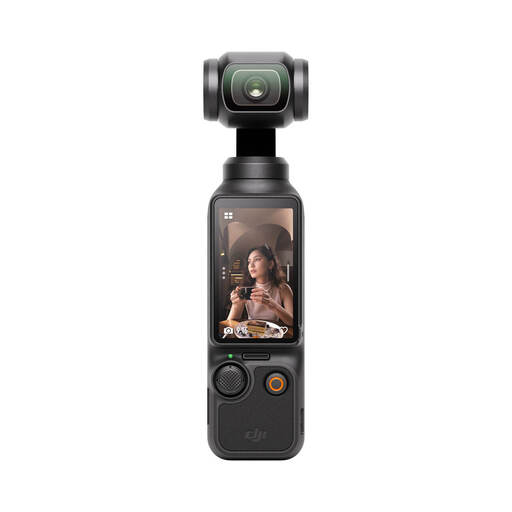
DJI Osmo Pocket 3
Before using it to photograph miniatures, check that the close-up capability and framing suit your subjects.
The product name specifies a 1-inch CMOS sensor, 4K recording at 120 fps, 3-axis stabilisation and a rotating 2-inch touchscreen.
View at Joybuy
 No image available
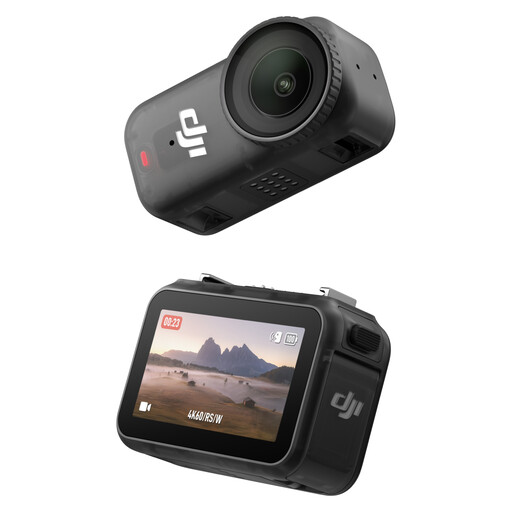
DJI Osmo Nano Standard Combo (128GB)
If table space is limited, also check whether the close-up capability and framing are sufficient for the size of miniature you want to photograph.
The product name specifies 4K recording at 60 fps and a 143° wide-angle lens.
View at Joybuy
 No image available
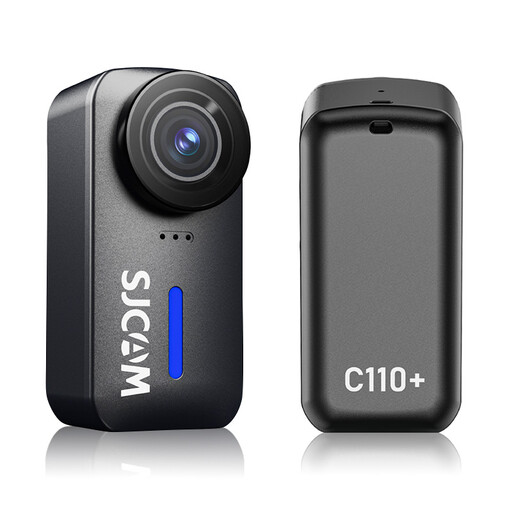
SJCAM C110+ 4K Action Camera
For painted miniatures, the main thing to check is whether its close-up capability suits the detail you want to capture.
The product name specifies a 170° wide-angle lens and an f/1.8 aperture.
View at Joybuy
 No image available
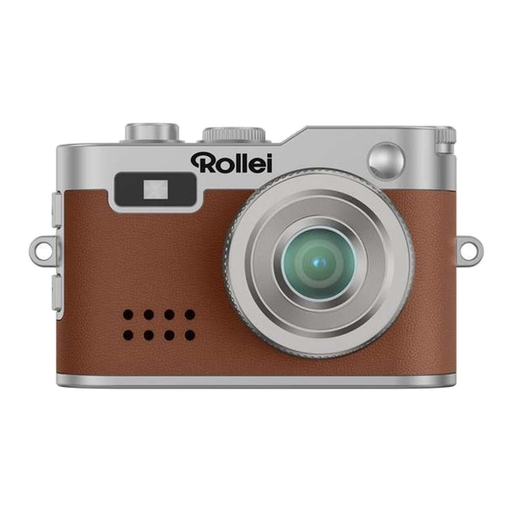
Rollei Mini Digital Camera Brown
It’s only worth considering if you don’t need to magnify small painted details significantly in your shots.
The stated photo resolution of 2 MP (1920 × 1080) limits how much you can enlarge small details.
View at Joybuy
Frequently asked questions
Is a focusing distance of 1 cm the same as a magnification ratio of 1:1?
No. The focusing distance tells you how close the camera can focus; 1:1 describes the size of the subject’s image on the sensor. For tiny painted details, compare the magnification ratio of the lens you’ll actually use and check that there’s still room for lighting.
How can I keep paint colours consistent across several shots?
Photograph under consistent lighting where possible, and set the white balance to match. If the specific model supports RAW shooting and you want to edit your images, you’ll have more flexibility to adjust the white balance afterwards.
How can I get the whole miniature in focus if the back is blurry?
Keep the camera and miniature steady, and try a smaller aperture if your model allows you to adjust it. Stopping down can increase depth of field at close range, but you’ll need more light or a longer exposure; the same setting won’t suit every miniature.
Do I need to budget for a macro lens when buying a mirrorless camera?
Only if the lens you already have, or the one included in the specific offer, can’t provide the close-up magnification you need. Compare the full kit name and contents: Sony distinguishes between the α6400 body and zoom kits, while the SEL30M35 is specified separately.
What are my rights when buying a camera online in Germany?
According to the Verbraucherzentrale, online consumer purchases generally come with a 14-day right to cancel from the date you receive the goods; exceptions and the specific contract should be taken into account. If newly purchased goods are faulty, you generally have statutory rights against the seller for two years. A voluntary guarantee is separate from these rights.


