What should you look for when buying?
First decide how large you want details to appear in your photos. Then check the working distance and lighting before comparing what’s included and what you could add.
| Consideration |
What to look for when buying |
Who it matters to |
| Showing details at a larger size |
Check the magnification ratio of the specific lens, that it has the right mount, and the distance between the front of the lens and the figure. |
If I want to show tiny brushstrokes at a larger size, I compare the magnification ratio of the specific lens. Around 40% of consumers put the largest possible close-ups first. |
| Space on the painting desk |
Allow for the footprint and the distance from the front of the lens to the subject on your own desk. Don’t confuse focusing distance with the clear space needed in front of the lens. |
At a small painting desk, I need room for lighting as well as my camera and figure. Around 30% of consumers prioritise footprint and working distance. |
| Colour and sharpness |
Consider white balance, a stable set-up and space for even lighting; judge colour using your own test shots. |
If I want my paint colours to look right under desk lighting, I pay attention to the light source and white balance. Around 20% of consumers put this consideration first. |
| A straightforward way to get started |
Compare what’s included in the specific offer with the framing you want, and take any lenses you already own into account. |
If I want to get started with as few extra components as possible, I check exactly what’s included in the kit. Around 10% of consumers prioritise a straightforward set-up and overall cost. |
Joybuy products related to this topic
The following Joybuy offers are for compact digital cameras. If you’re photographing painted miniatures, check the close-up focus, framing and lighting for the specific model.
 No image available
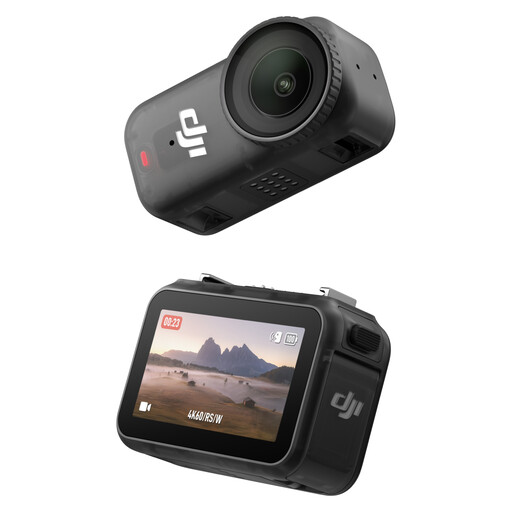
DJI Osmo Nano Standard Combo (128GB)
The product name describes this model as a vlogging camera; it doesn’t confirm that it’s suitable for close-ups of painted figures.
Features listed in the name: 4K/60fps, 1/1.3-Inch sensor and 143° wide-angle view.
View at Joybuy
 No image available
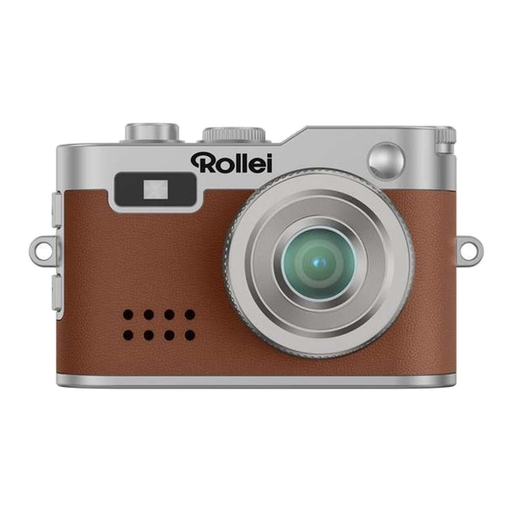
Rollei Mini Digital Camera Brown
The compact body could be useful if you have limited space on your painting desk. Before buying, check that the close-up focus and framing work for your figures.
Dimensions: 31 × 20 × 54 mm; weight: 18 g.
The specifications list a photo resolution of 2 MP and an integrated LED light with flash and continuous-light modes. The photo resolution may limit how well very fine painted details are captured.
View at Joybuy
Frequently asked questions
Is a minimum focusing distance of 1 cm automatically better for my small photo desk?
No. OM SYSTEM quotes this figure for the TG-7’s Microscope Mode, but you still need to check whether the whole figure fits in your chosen frame and whether there’s room for light between the camera and subject. With interchangeable lenses, also check whether the distance is measured from the sensor or the front of the lens.
How can I get more of the figure in focus?
Keep your camera steady and focus carefully. A smaller aperture can increase depth of field, but it needs more light or a longer exposure. At extremely close range, stopping down too far can reduce sharpness.
What can I do if the painted figure looks different in a photo than it does under my lamp?
Check the colour of the light you’re using and your camera’s white balance. Canon Deutschland describes adjusting the white balance as a way to control unwanted colour casts in difficult or mixed lighting. Judge the result using your own test shot.
Will I need to buy a macro lens separately when I get a camera kit?
Only if the lens included doesn’t give you the framing and magnification you need. The EOS R50 bundle we looked at lists the RF-S 18–45 mm, while the Sony ZV-E10 II kit we looked at includes a 16–50-mm power zoom. The separately listed macro lenses aren’t automatically included in these kits.
What are my legal rights when buying online in Germany?
When you buy goods from a business seller, you’re generally entitled to a legal guarantee of at least two years from the date you receive them. Online distance sales contracts generally come with a 14-day right to cancel from the date of delivery. Exceptions and conditions, such as return postage costs, may apply depending on the circumstances. The European Union’s Your Europe website distinguishes these legal rights from a voluntary manufacturer’s guarantee.


