What should you look for when buying?
First decide whether chocolate is appropriate for the occasion at all. Then choose a portion size and check the ingredients, varieties and information needed for anyone caring for your child on the specific pack.
| What matters |
What to check when buying |
Who may find it particularly important |
| Occasional portion |
Number of pieces and weight per piece; nutritional information per piece, if provided. |
I want to plan a small treat mindfully, rather than offer chocolate as an everyday snack. For around 31% of consumers, limiting the portion is the main priority. |
| Ingredients and allergens |
The full ingredients list, highlighted allergens and any warnings about possible traces on the current pack. |
If I need to exclude certain ingredients for a toddler, I need to know what’s in the specific variety, not just the brand. Checking ingredients is the main priority for around 31% of consumers. |
| Taking treats along and childcare |
A manageable number of pieces, plus an agreement with the childcare provider about sweets and ingredient information. |
For an outing or a day in childcare, I want to decide the amount in advance and check whether it’s OK to bring it along. This is the most important point for around 25% of consumers. |
| Varieties in mixed packs |
The list of varieties and the ingredients in each one, particularly nut fillings or chocolates containing alcohol. |
If there are several mini chocolates to choose from, I want to avoid giving my toddler a variety I haven’t checked. Around 13% of consumers prioritise checking the varieties. |
Brands to consider
These examples illustrate different formats and ingredient considerations. What matters is the labelling on the product and variety you actually choose.
kinder
kinder Schokolade Mini is an example of a bar with a stated weight per piece.
- According to kinder Germany, each piece weighs 6 g and contains 3,2 g of sugar. The per-piece information makes it easier to count out a portion.
- A standard piece size doesn’t make chocolate an everyday snack. If needed, check the ingredients and allergen information on the pack too.
Ritter Sport
Ritter Sport offers mini mixed packs; according to the brand, Bunte Mix contains six varieties.
- The variety list makes it clear that the pack contains different types of chocolate.
- Ritter Sport says the selection includes nutty varieties and warns that varieties without certain ingredients may still contain traces because they’re made using shared production facilities. Check each variety individually.
Milka
According to Milka, Milka Favourites is a selection of six individually wrapped praline varieties.
- You can count out the individually wrapped pieces before handing them out.
- Ingredients vary between the different varieties. REWE lists hazelnuts, almonds, wheat, milk, soya and egg among the ingredients in Milka Mini Schokoladen Stückchen; this information applies to the named product, not to all Milka products.
Lindt
Lindt Mini Pralinés is a selection of pralines with different fillings.
- Lindt lists the individual varieties included in the 150-g selection.
- These include Marc de Champagne truffles as well as nut and pistachio varieties. Before choosing any for a toddler, check the ingredients of every variety and exclude those containing alcohol.
Schogetten
The Edel-Alpenvollmilch bar is divided into break-off pieces rather than individually wrapped mini bars.
- You can break off a piece without choosing from a mixed pack containing different varieties.
- The pieces aren’t individually wrapped portions. Schogetten states that this variety contains 55 g of sugar per 100 g; nutritional information doesn’t replace a decision about the occasion and portion size.
REWE Beste Wahl
REWE Beste Wahl Mini Schoko Kugeln is a selection of chocolate and nougat varieties, not mini bars.
- The product labelling lets you check the ingredients and varieties before choosing.
- For this product, REWE lists hazelnut paste and possible traces of other tree nuts, peanuts, wheat and soya. If your child has a relevant allergy, check the specific pack.
Mini chocolate at Joybuy
This selection features a mini chocolate bar for occasions when you’re planning an occasional treat. Check the specific product to decide whether a piece is suitable for your toddler in terms of size, texture and ingredients.
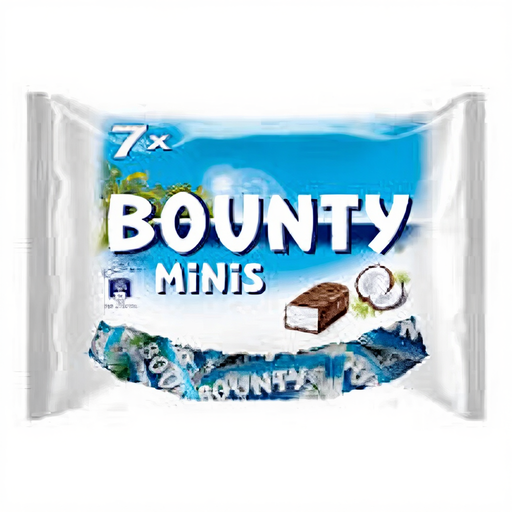 Image unavailable
Bounty Minis with coconut, 227 g
If you’re planning an occasional treat, you can decide in advance how many mini bars to offer.
The pack contains 227 g of Bounty Minis with coconut and milk chocolate. Check the current pack for the size of each piece, ingredients and allergen information. Consider the size and texture of each piece before offering one to a toddler, and supervise them while they eat.
View at Joybuy
Frequently asked questions
Is mini chocolate suitable as an everyday snack for toddlers?
No, not as a regular everyday snack. The Federal Centre for Nutrition recommends giving toddlers sweets in small amounts with meals, for example as a dessert. The Federal Institute of Public Health also emphasises being mindful of how much and how often children have them.
Does a mini bar make it easier to plan portions?
Yes, if you decide the number in advance and know the size of each piece. For example, kinder Germany states that each piece of kinder Schokolade Mini weighs 6 g and contains 3,2 g of sugar. Check the information on the pack you choose; a small format isn’t a recommendation to have treats more often.
What should I check for nuts and allergens?
Check the ingredients and any warnings about possible traces on the current pack for every variety your toddler may have. If your child has a confirmed allergy, follow their individual medical advice; a brand name or an earlier recipe isn’t enough to make a decision. The Federal Institute of Public Health also points out that toddlers can easily choke on nuts.
What should I look out for in mini praline selections?
Check every variety in the pack and exclude those containing alcohol for toddlers. The Federal Institute of Public Health recommends checking the ingredients list of shop-bought treats for alcohol too. Lindt includes a Marc de Champagne truffle in its Mini Pralinés selection; the name of the variety alone doesn’t replace checking the ingredients.
What should I check before sending treats to nursery?
Check with the nursery whether sweets are allowed and what ingredient and allergen information they need. Have the labelling for the specific pack to hand, particularly if it contains a selection of different varieties.


