What should you look for when buying?
First decide whether colour, surface texture or video is your main priority. You can then compare lenses, lighting and the recording formats you need more effectively.
| Priority |
What to check when buying |
Who it matters most to |
| Colour and reflections |
Check for controllable white balance and adjustable lighting. |
If I want to control colours and shine under my lighting, I need adjustable light and reliable colour settings. Around 36% of consumers prioritise this. |
| Small details in the image |
Check the lens mount, working distance and magnification ratio of the specific lens. |
If I want a small brushstroke to fill the frame, the optics need to suit the subject size and shooting distance. Around 29% of consumers prioritise close-ups and framing. |
| Video under artificial light |
Check for manual shutter speed and model-specific anti-flicker options; take a test shot with the light you’ll be using. |
If I’m recording detail videos, I want to avoid visible flicker from the specific artificial light source I’m using. Around 21% of consumers prioritise reliable video recording. |
| Complete photography system |
Consider the camera body, compatible lens, existing lighting and any storage media you need together. |
If I need to match a camera with its accessories, the cost and effort of the complete system matter to me. Around 14% of consumers focus on this overall system choice. |
Even lighting can reduce reflections, while raking light makes surface texture more visible. The Canadian Conservation Institute describes this difference, so separate lighting setups may be useful for documenting colour and texture.
Joybuy products for photography and detail video
The Joybuy product options below are for photography and detail video. Check that the camera, lens and lighting setup suit the section of the painting you want to capture and your chosen recording format.
 No image available
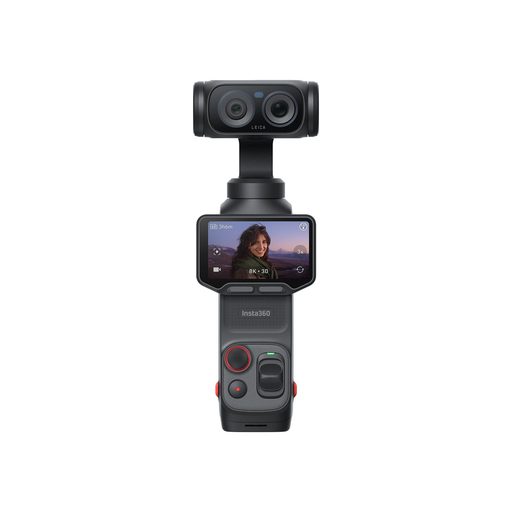
Insta360 Luna Ultra Standard Bundle, Cosmic Black
For detail videos, if the telephoto zoom and listed video formats suit the way you work.
The product description lists a 1-inch main sensor, a 1/1.3-inch telephoto sensor and 6x lossless zoom.
It also lists 8K30 HDR video, 10-bit I-Log and a detachable touchscreen for remote control while filming.
View at Joybuy
 No image available
Sony Alpha 6100 with 16–50 mm power zoom lens
For photography and video with a mirrorless APS-C camera body and the zoom lens listed.
The product details list a 24.2-megapixel sensor, E-mount, RAW photos and 4K video recording.
The set is described as including a 16–50 mm power zoom lens.
View at Joybuy
Frequently asked questions
Do I need a macro lens to photograph brushstrokes?
Not for every shot. For very small details, compare the size you want the subject to appear in the frame with the working distance and magnification ratio of a lens that fits your camera body. The macro lenses mentioned have specific close-up capabilities.
How should I light the painting to show both colour and texture?
If needed, compare two lighting setups. Even lighting can reduce reflections, while raking light brings out the surface more clearly, including any existing damage. The Canadian Conservation Institute describes these different effects; adjust the direction of the light deliberately and compare the results.
What can I do if my video flickers under artificial light?
Start by recording a test with the light you’ll actually use. For flicker under fluorescent lighting, Sony Germany recommends using an available anti-flicker setting; check your camera’s manual to see which settings it offers. An adjustable shutter speed may also be relevant, depending on the camera and light source.
What extra items should I budget for?
Check whether you need a suitable lens and a specific storage medium for your chosen video format. Panasonic specifies a CFexpress card for certain GH7 formats. Before ordering, make sure the camera body, lens and recording format are all compatible.
Can I publish a video of an oil painting in Germany?
There’s no general answer without details about the specific work, the rights involved and where it was filmed. Under § 64 UrhG, copyright generally expires 70 years after the author’s death. Before publishing, you should also check separately for any rights in the work, third-party footage used and, where relevant, the rules at the filming location. § 68 UrhG concerns related rights in reproductions of visual works in the public domain; it isn’t blanket permission to publish every painting video.


