Sellers of colour-critical leather goods
If you photograph wallets in different colours under artificial light, you’ll want browns and blacks to look consistent across a series of images.


For photographing mostly full wallets, a mirrorless camera with a standard zoom is a sensible starting point. For close-ups of stitching or embossing, check the magnification ratio of a compatible macro lens. For a series of shots under artificial light, consistent lighting, white balance and camera position also matter. So compare what’s included with the specific variant, not just the camera body.
If you photograph wallets in different colours under artificial light, you’ll want browns and blacks to look consistent across a series of images.
If you want small details to appear large in the frame, the lens’s magnification ratio and working distance matter just as much as the camera body.
If you plan to photograph wallets repeatedly from similar angles, check which lens and other accessories are included with your chosen kit.
Best suited to: Photographing whole wallets from different angles and adjusting the framing as needed.
Bear in mind: A standard zoom isn’t automatically a 1:1 macro lens. Check its minimum focusing distance and magnification for close-up shots.
Best suited to: Shots where stitching, embossing or leather grain needs to fill a large part of the frame.
Bear in mind: The lens must fit the camera mount and should be budgeted for separately if it isn’t included in the kit. Working at a short distance can also make it harder to position artificial lighting.
Canon Germany notes that white balance needs adjusting in challenging lighting conditions. Check it by taking a test shot under the lighting you’ll actually use.
| What you need | What to look for | Who should pay particular attention? |
|---|---|---|
| Consistent colours under artificial light | Check the white balance with your actual subject and aim to keep the lighting as consistent as possible. | If I’m photographing several leather colours under the same lighting, I want to spot colour casts and keep the settings comparable; around 33% of consumers put colour consistency first. |
| Stitching, embossing and leather grain | Compare the maximum magnification ratio and working distance of your chosen lens. | If small details need to fill a large part of the frame, I look for magnification and enough room for the lighting; around 27% of consumers prioritise detail-focused close-ups. |
| Repeatable product photography | Check that the camera and lens fit on a tripod within your shooting area, leaving room for the background and lighting. | If I’m photographing lots of wallets in a similar way, keeping the camera in the same position matters more to me than maximum close-up magnification; around 20% of consumers prioritise a repeatable process. |
| What’s included with the camera kit | Read the exact variant name and check whether the right lens is included. | If I want to put together a ready-to-use setup, I first check what I’ll need in addition to the body or kit; around 20% of consumers prioritise having everything included. |
The lenses covered here differ: Canon specifies a maximum magnification of 1:2 for the RF 35mm F1.8 MACRO IS STM, while the Nikon and Sony macro lenses considered here reach 1:1.
First decide how large you want the stitching or embossing to appear in the image. Then check the magnification, working distance and mount of the specific lens.
A camera body without a lens isn’t ready to use for product photography, and a kit zoom won’t necessarily cover the macro range you need.
Compare what’s included with each variant and make sure the lens and any other accessories you need will work with your setup.
The colour of the artificial light and the white balance both affect how leather colours appear in your images.
Take a test shot under the lighting you’ll actually use, and keep the lighting and white balance as consistent as possible for comparable images.
The EOS R50 is a documented APS-C camera body; the RF 35mm F1.8 MACRO IS STM is a separate option for close-up photography.
The documented Z50II kit includes a 16–50 mm zoom for full-product shots; the NIKKOR Z MC 50 mm 1:2,8 is a separate macro option.
The α6400 is a documented APS-C E-mount camera body; the E 30 mm F3.5 Macro is a separate option for tabletop photography.
The Joybuy offers below include a mirrorless camera with a standard zoom and a camera bundle with a telephoto zoom. For the bundle, check the exact type of device and whether its imaging and lens system suits your planned setup.
 No image available
The zoom lens is useful if you want to photograph wallets with different compositions.
The listing specifies a 16–50 mm power zoom lens, a tilting screen and RAW as a supported file format.
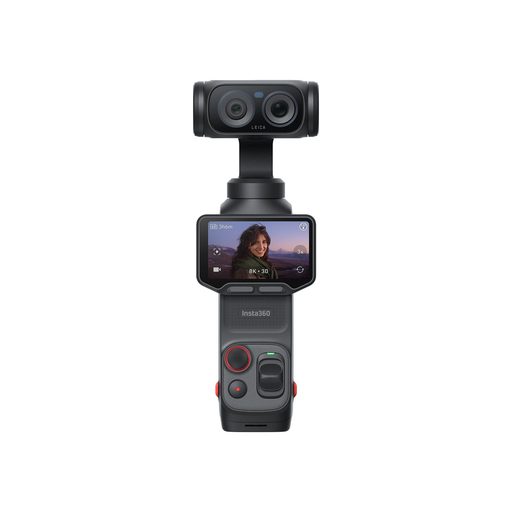 No image available
The product details specify a dual-lens system with a telephoto zoom. Check that the exact type of device suits your planned setup for photographing wallets.
Features listed include a detachable OLED touchscreen and 10-bit I-Log recording.
No, not just because it’s made of leather. A standard zoom may be suitable for a full-product shot; if you want small details to appear large in the image, compare the maximum magnification ratio of the specific lens.
Keep the lighting as consistent as possible across a series of product shots, check the white balance with a test shot and use a fixed camera position for similar views. RAW can make it easier to adjust the white balance later, provided your chosen camera supports this format.
It depends on the exact variant: the documented Nikon Z50II kit includes a 16–50 mm lens, while the Canon EOS R50 and Sony α6400 offers considered here are camera body offers. Check everything included before putting your setup together.
For the consumer purchases covered here, EU consumer information states that when you buy from a business seller, you have a statutory guarantee of at least two years from receipt of the goods, with the claim made against the seller. This is separate from a voluntary manufacturer’s warranty. The same does not automatically apply to purchases made on behalf of a business or from a private seller.
No. For Germany, the Federal Environment Agency recommends returning used batteries to collection boxes in shops or to local authority collection points.