What should you look for when choosing?
First decide whether you mainly want to photograph the whole board or capture small details. Then consider how you’ll manage colour with the artificial light you actually use.
| Consideration |
What to check before buying |
Who is this important to? |
| Colours under artificial light |
Check whether you can adjust the white balance and whether RAW fits your editing workflow. Take a test shot in mixed lighting. |
If I want cheese and accompaniments to look true to colour under the lights I actually use, I want to check the white balance and be able to edit RAW files if needed. That’s why around 40% of consumers put colour consistency under artificial light first. |
| Wide shots |
Check the exact kit version, which zoom lens is included and the framing from your planned shooting position. |
I want to fit the whole board into the frame at different compositions without constantly changing lenses. That’s why around 30% of consumers prioritise wide shots. |
| Fine details |
Check the lens mount, magnification ratio and shooting distance. Also confirm whether the macro lens is actually included in the offer. |
If I want the rind, crystals or garnishes to appear large, I’d rather check for a suitable macro lens than rely on the name of the kit zoom alone. That’s why around 20% of consumers prioritise detail. |
| Repeatable shots |
Test your lights for banding or colour shifts, and check the anti-flicker function and what’s included with the exact kit version. |
For a repeatable series, I want to know in advance whether my lights cause banding and whether the kit includes the accessories I need. That’s why around 10% of consumers prioritise a predictable workflow and complete equipment. |
Joybuy products
The Joybuy offers below include a compact camera and a mirrorless APS-C camera; only the Sony Alpha 6100 falls into the mirrorless camera category covered here.
 No image available
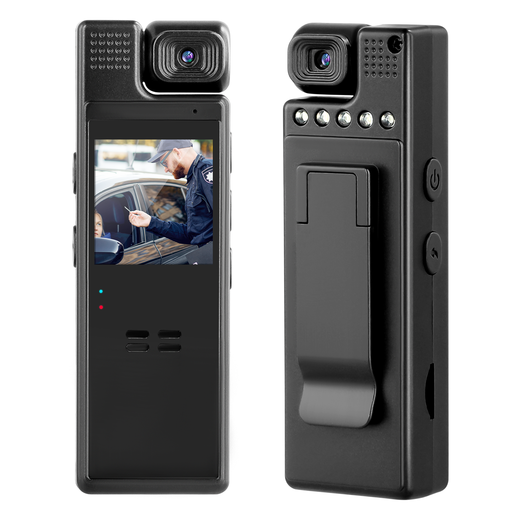
Compact camera with audio, 1080P, 180° rotating lens and clip
The product title describes a compact camera, not a mirrorless system camera, so it shouldn’t be compared with the interchangeable-lens kits discussed here.
Features listed in the product title: 1080P, a 180° rotating lens and a rear clip.
View at Joybuy
 No image available
Sony Alpha 6100 APS-C with 16–50 mm power zoom lens
The zoom lens listed in the product title is useful for framing the cheese board in different ways.
Features listed in the product title: mirrorless APS-C camera with a 16–50 mm power zoom lens.
View at Joybuy
Frequently asked questions
How can I avoid yellow or green cheese photos under artificial light?
Adjust the white balance to suit the actual light source and check a test shot. If you want to correct colours later, RAW gives you more flexibility. Test shots are still important when you’re using several different light sources.
What should I test before a photo shoot using LED or fluorescent lighting?
Take test shots under the lights you’ll actually use, and look for banding or colour shifts. Canon Academy describes anti-flicker functions on some EOS cameras. Check separately whether and how the function works with your specific model and lighting.
Do I need a macro lens straight away for close-ups?
Not if you mainly want to photograph the whole board. If you want small details to appear larger, compare the magnification ratio of a compatible lens: the 1:1 macro lenses mentioned are separate lenses, not the same as the standard zooms supplied with the kits described.
What rights do I have if an online purchase in Germany is faulty?
For a consumer purchase from a business seller in the EU, the statutory two-year guarantee starts when you receive the goods. Online orders also generally come with a 14-day cancellation period from delivery. The guarantee and the right to cancel are separate rights. Your Europe and the Verbraucherzentrale explain these points for their respective areas of responsibility.
What should I check for camera product safety on the German market?
CE marking is relevant to products covered by harmonised EU rules that require it. Your Europe explains that it is a declaration by the manufacturer, not individual approval by a government authority. When considering a specific offer, check the product and manufacturer details, particularly for imported goods and power supplies.


