
Lieferung heute & morgen

Qualitätsgarantie

Willkommens-Angebote freischalten: KOSTENLOSE Lieferung | Bis zu 80 % RABATT | Kostenlose 30-Tage-JoyPlus-Testphase
App herunterladen
A mite remover can thoroughly remove dust, dead skin cells, pet hair and other particles from textile surfaces. For allergy sufferers, families with children and pet owners, it’s essential to interpret the technical specifications correctly. A device with UV-C light isn’t automatically suitable for every mattress, and a high wattage alone tells you little about how it actually handles.
The power consumption in watts describes how much electrical power the motor draws. It is not the same as suction performance. More meaningful are specific figures such as negative pressure in kPa, the width of the suction opening and the design of the brush roller.
A mattress vacuum cleaner with 600 or 700 watts can work differently from a compact mite remover with 300 watts. That’s why you should look at several values together when making your choice.
UV-C lamps, hot air and ultrasound are often found on an anti-mite vacuum cleaner. These features can usefully complement the specification, but they don’t replace either regular washing of suitable bedding or thorough vacuuming of the surface.
It’s also important to have a safety cut-off: the UV-C function should only be active when the device is in full contact with the textile, and should switch off automatically when lifted. Direct contact with eyes and skin must be avoided.
Fine particles can escape back into the room air when you empty the container. A HEPA filter, a multi-stage filtration system or cyclone separation can help manage dust effectively. Buyers should check whether the filter is washable, whether replacement filters are available, and how the dust container is removed.
Capacity also matters: 0.3 to 0.6 litres is often enough for several uses, but with large sofas or lots of pet hair, a small container may need emptying more frequently.
For a mite remover for mattresses, sufficient negative pressure and mechanical loosening of the textile fibres are important. Tapping or vibration functions can dislodge dust and loose particles from the fabric before they are sucked up.
A wide suction opening reduces the number of passes needed. On the devices considered here, the figures are around 240 to 245 millimetres. That’s practical for large mattresses and sofas, but it also increases the device’s weight and storage space.
A mite remover with a HEPA filter should not only have the right filter, but also provide clear maintenance instructions. Washable filters must be completely dry before they are reinserted. Otherwise, moisture can affect the motor or filter performance.
A dual-chamber or cyclone design can help separate coarse dust from fine particles. However, it doesn’t remove the need to empty the container regularly and clean the filter.
Hot air at 50 to 65 °C is part of the specification on several devices. Sensitive materials such as silk or certain synthetic fibres should only be treated according to the instruction manual. The device should be moved slowly and evenly during use.
For bedding, mattresses, upholstery and carpets, it’s advisable to test on an inconspicuous area before the first longer use. A bed vacuum cleaner is designed for dry textiles and must not be used to suck up liquids.
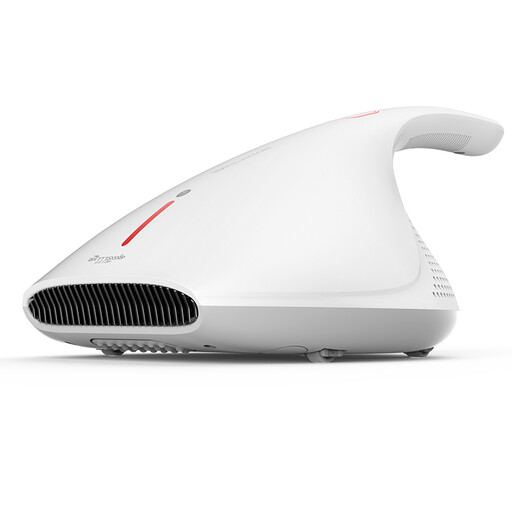
Why this product suits the profile: This corded device combines a tapping function, 50 °C hot air and UV-C light for targeted cleaning of beds, sofas and carpets.
The specifications state 13 kPa negative pressure, a 0.5-litre container and a two-stage HEPA filter system, rather than just a wattage figure.
8,000 tapping movements per minute, 4.5-metre cable and removable dust container according to the product description.
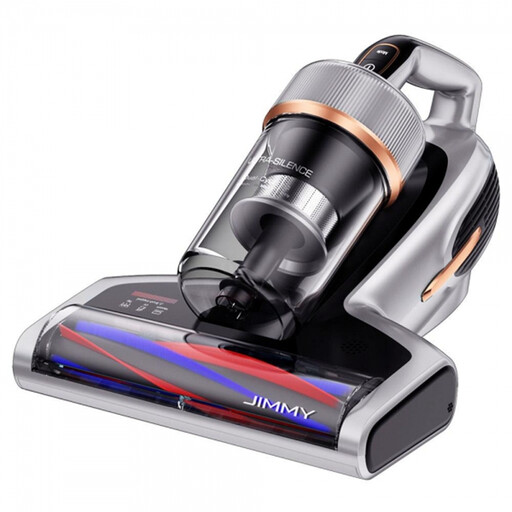
Why this product suits the profile: For households that want to clean mattresses, sofas and upholstery regularly with different settings.
According to the product data, the specification includes a dust sensor, three modes, automatic UV-C cut-off and a dual-cyclone filter system.
700 watts, 16 kPa stated suction power, 245-millimetre suction opening and 0.5-litre dust container.
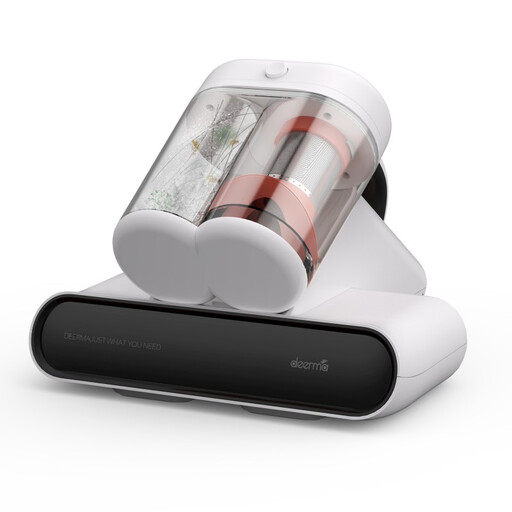
Why this product suits the profile: The combination of 60 °C hot air, vibration, UV-C function and two dust chambers is designed for frequent use throughout the home.
The separate chambers address the risk of a quickly clogged filter. According to the product description, the UV-C function should switch off automatically when contact is lost.
13 kPa stated negative pressure, 0.6-litre dual-cup system and four combined cleaning functions.
We’ve put together a complete, regularly updated list of products that fully meet these strict selection criteria and the safety regulations in force in the EU.
For an even result, the surface should be dry and free of large objects. Move the device slowly in parallel passes over the mattress, cushions, sofa or carpet. Particularly heavily soiled areas can be treated in several directions.
After each use, we recommend:
A mite remover for sofas and carpets is not a replacement for a normal floor vacuum cleaner. Its narrow design and specialised tapping or brush function are primarily intended for textile surfaces.
That depends on usage, room air quality and the level of pet hair. Regular use at sensible intervals is more effective than spending a very long time on one spot. In addition, bedding and washable covers should be cleaned according to the care label.
The lifespan depends on factors including the motor, filter maintenance, brush wear and how often it’s used. Before buying, you should check whether replacement filters, cleaning accessories and a clear instruction manual are available. An overfilled container or a clogged filter can reduce suction performance.
With corded devices, the main costs are electricity and possible expenses for replacement filters. The actual cost depends on the power consumption and how long you use it. Washable filters can reduce the need for replacements, but they must be cleaned according to the instructions and dried completely.