
Lieferung heute & morgen

Qualitätsgarantie

Willkommens-Angebote freischalten: KOSTENLOSE Lieferung | Bis zu 80 % RABATT | Kostenlose 30-Tage-JoyPlus-Testphase
App herunterladen
A restful night's sleep is fundamental to your well-being. But for many people—especially those with dust allergies, asthma, or pets—sleep is disturbed by invisible houseguests: dust mites. A specialised mite vacuum promises relief, but the market is overwhelming and full of marketing claims. As your Joybuy Product Recommendation Officer, I'm here to help you separate the wheat from the chaff and make an informed decision.
Many buyers invest in a device that fails to deliver on its promises. This is often due to three common product flaws that are cleverly concealed:
To avoid a bad purchase, don't be guided by advertising slogans, but by objective technical specifications. Before buying an anti-mite vacuum, pay attention to these three core features.
Suction power is the most crucial factor. It is specified in Pascals (Pa) or Kilopascals (kPa). For effective deep cleaning of mattresses and thick upholstery, a value of at least 12,000 Pa (12 kPa) is recommended. This is the only way to dislodge particles from the fabric. An additional beating function (vibration or tapping mechanism) is a decisive advantage here. It loosens mites and their droppings from the fibres, allowing the vacuum to capture them.
A high-quality vacuum for allergy sufferers needs a powerful filtration system. A HEPA filter (High-Efficiency Particulate Air) is the gold standard here. These filters are capable of filtering up to 99.97% of all particles as small as 0.3 microns from the air. This includes mite droppings, pollen, bacteria, and other allergens. A device with a sealed HEPA system ensures that the air drawn in is purified before being expelled.
While UV light alone is often insufficient, it is quite useful in combination with other functions. A UV vacuum cleaner can help reduce bacteria and germs on the surface. Even more effective is an integrated heating function. Some devices generate a stream of hot air (often around 50–60°C) that dries the mattress surface. This creates an inhospitable environment for mites, as they need high humidity to survive. The combination of beating, suction, heating, and UV treatment offers a comprehensive approach for a hygienic mattress cleaner or upholstery vacuum.
Based on the criteria above, we have compiled a selection of devices suitable for different user profiles and requirements.
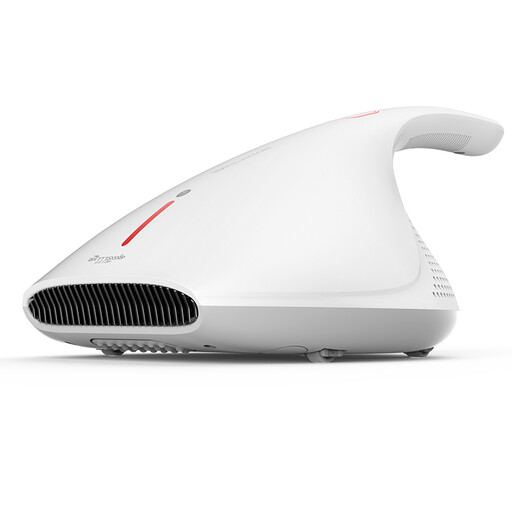
Why This Fits Their Persona: Ideal for users looking for a solid set of basic features without a large investment. The device combines all the essential functions for effective mite reduction and is a great starting point for better bedroom hygiene.
This model bypasses the trap of inadequate performance by combining 13,000 Pa of suction power with a dual HEPA filtration system. It doesn't rely on just one feature, instead offering a 4-in-1 system.
A combination of a beating function (8,000 taps/min), 50°C hot air, UV-C light, and strong suction in one budget-friendly package.
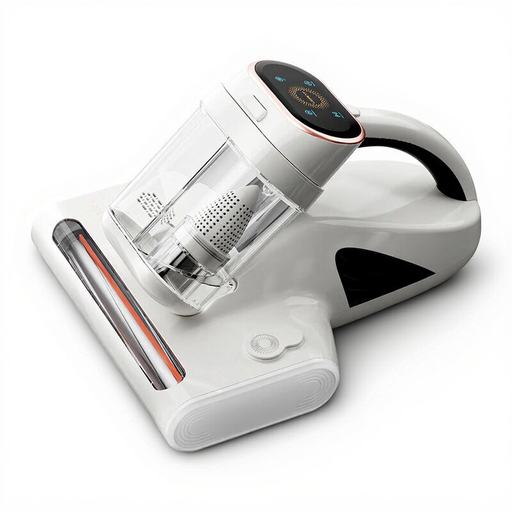
Why This Fits Their Persona: Perfect for users who appreciate data-driven control and direct feedback. The smart display makes the cleaning process transparent and verifiable, providing a sense of security and effectiveness.
This device avoids the trap of vague promises by displaying the dirt level in real time. Instead of cleaning blindly, you see the progress and effectiveness of the cleaning directly on the LED display.
Smart sensor with real-time display of mite level and humidity. Combines strong suction power (13 kPa) with UV light and hot air drying.
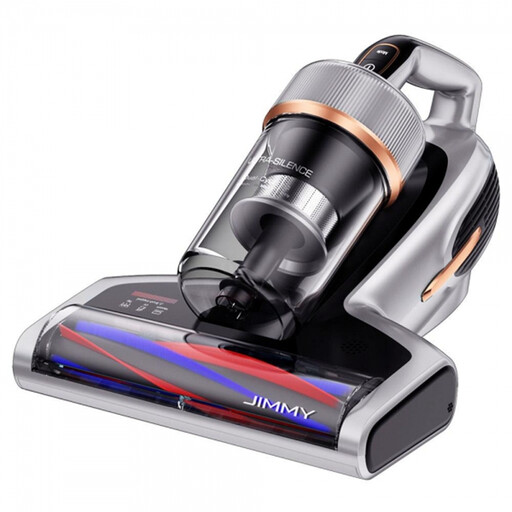
Why This Fits Their Persona: For households with high standards, severe allergies, or pets. Its high performance and advanced technologies like ultrasound provide an intensive deep clean that goes beyond the standard.
This device tackles the problem at its root. With a 700-watt motor, 16 kPa of suction power, and a patented composite brush roll, it penetrates deep into the fabric instead of just acting on the surface.
Ultrasound technology that, according to the manufacturer, can disrupt mite reproduction. Features a smart dust sensor and a 60°C heating function for a comprehensive clean.
We have compiled a complete, up-to-date list of products that fully meet these strict selection criteria and safety regulations.
For allergy sufferers, weekly use on mattresses, pillows, and frequently used upholstered furniture is recommended to keep the allergen load consistently low. In households without acute allergy issues, using it every two to four weeks can contribute to general hygiene.
A UV vacuum cleaner can be a useful addition, but it should not be the sole purchasing criterion. The UV-C radiation primarily works on the surface. Effective mite control requires a combination of strong suction power, a beating function to dislodge particles, and a high-quality filtration system. Consider UV light as an additional layer of hygiene, not the primary cleaning method.
A conventional floor vacuum is only suitable for mattress cleaning to a limited extent. It often lacks the specific features of a mite vacuum: the beating function to loosen mites from fibres, the hot air function for drying, and the UV lamp. Furthermore, the brushes on floor vacuums are often too aggressive for delicate textiles and can transfer dirt from floors onto the mattress. A specialised upholstery vacuum is more hygienic and effective for this task.