
Lieferung heute & morgen

Qualitätsgarantie

Willkommens-Angebote freischalten: KOSTENLOSE Lieferung | Bis zu 80 % RABATT | Kostenlose 30-Tage-JoyPlus-Testphase
App herunterladen
For many people, especially allergy sufferers, pet owners, and health-conscious families, a hygienic sleeping environment is of utmost importance. When sneezing, itchy skin, or breathing difficulties disrupt your sleep, dust mites are often the invisible culprits. A mite vacuum promises a solution, but the market is flooded with devices boasting a wide range of features and advertising claims. As your Joybuy Product Recommendation Officer, I'm here to help you separate the wheat from the chaff and make an informed decision.
Before we dive into the essential features, let's highlight the typical marketing traps that often lead to an unsatisfactory purchase.
To avoid these traps, you should focus on three core technical parameters. These determine whether a device is merely a repurposed handheld vacuum or a genuine mattress cleaner for mites.
Suction power is the most critical criterion. It indicates the strength of the negative pressure the device can generate. For the effective cleaning of textiles like mattresses, a value of at least 10,000 Pascals (10 kPa) is recommended. This is the only way to ensure that not just surface dust, but also deep-seated mites and their residue are reliably removed. Look for this specification in the product details.
A high-quality filtration system is essential for a vacuum cleaner for allergy sufferers. HEPA stands for "High-Efficiency Particulate Air." A true HEPA filter is proven to remove over 99.9% of particles as small as 0.3 micrometres from the air passing through it. This includes pollen, fine dust, and, of course, allergenic mite droppings. Devices without such a system simply recirculate the finest allergens. Ensure the filter is washable and easily accessible to maintain the device's performance long-term.
These features can effectively support cleaning performance, but they never replace high suction power and good filtration.
Based on the criteria above, we have identified products that offer a thoughtful combination of performance and functionality.
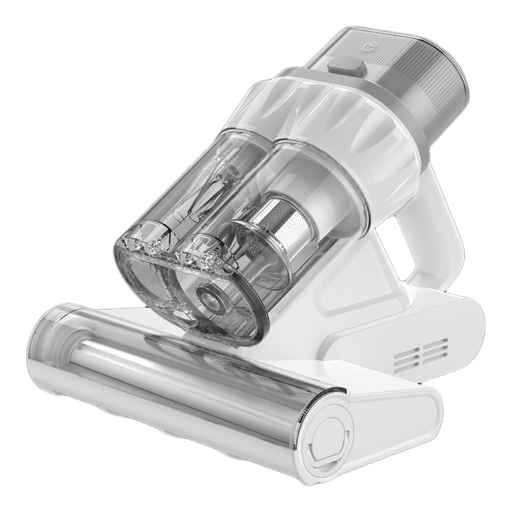
Why This Fits Their Persona: This device is designed for users seeking a comprehensive and transparent solution. The combination of high suction power, UV sterilisation, hot air, and a smart display that visualises cleaning progress is ideal for allergy sufferers and tech-savvy individuals who want assurance about the cleanliness of their environment.
With a suction power of 12,000 Pa, it bypasses the trap of insufficient performance. The dual-cup system separates dust from mites, preventing the filter from clogging and ensuring consistently high suction. Here, the UV light is a supplementary feature, not the main function.
Intelligent Real-Time Sensor: The display shows the level of dirt and provides visual feedback on when an area is clean. High Beating Frequency (72,000/min): Effectively dislodges deep-seated dirt.
A clean sleeping environment starts with the mattress, but the right bed frame also contributes to your well-being. Discover our selection of products that meet strict selection criteria.
1. How often should you use a mite vacuum? For allergy sufferers, using it once or twice a week on mattresses, pillows, and favourite upholstered furniture is recommended. In less sensitive households, using it every two to four weeks is sufficient to keep the mite population under control.
2. Can I also use my regular vacuum cleaner on the mattress? A conventional vacuum cleaner is only partially suitable for this task. It often lacks the specific beating function to dislodge mites and a sufficiently fine filtration system (HEPA) to securely trap allergens. Furthermore, its brushes are typically designed for floors and can damage delicate mattress fabrics. A specialised mite remover is the more hygienic and effective choice here.
3. Is a mite vacuum with UV light really more effective? Its effectiveness depends on the overall design. A mite vacuum with UV light can enhance cleaning performance by killing bacteria and mites on the surface. However, this is only a real advantage if the device also has strong suction power and a HEPA filter to completely remove the killed particles and allergens. UV light alone is not a solution.