
Lieferung heute & morgen

Qualitätsgarantie

Willkommens-Angebote freischalten: KOSTENLOSE Lieferung | Bis zu 80 % RABATT | Kostenlose 30-Tage-JoyPlus-Testphase
App herunterladen
Restful sleep and a clean home are fundamental to your well-being. But invisible housemates like dust mites can become a burden, especially for allergy sufferers, families with children, or pet owners. A specialised mite vacuum cleaner promises relief, but the market is flooded with options. Many devices advertise impressive figures and features that don't always deliver on their promises in practice.
As your Joybuy Product Recommendation Officer, I'll help you identify the crucial features and avoid common purchasing traps. This guide will show you what to look for to make an informed decision for better hygiene in your home.
Before you invest, you should critically question the marketing promises. Many buyers are disappointed because their device doesn't produce the expected results. This is often due to these three points:
To make the right choice, focus on the technical parameters that have a demonstrable effect. An effective anti-mite vacuum combines several cleaning technologies.
A single feature is rarely enough. Look for a system that combines several of the following functions:
For people with a dust allergy, the filtration system is crucial. A vacuum for allergy sufferers should have at least a HEPA filter. This is proven to filter over 99% of particles as small as 0.3 micrometres from the air. Some models also offer a cyclonic system that separates coarse dirt before it reaches the main filter, thus keeping the suction power consistent for longer and extending the filter's lifespan.
Here are some recommendations tailored to different needs and use cases.
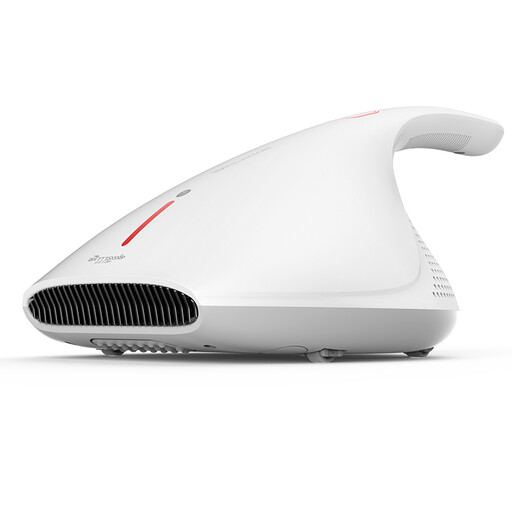
Why it's a good fit: Ideal for users looking for a solid set of basic features for mattress cleaning without a large budget. It combines the most important functions in a compact and lightweight device.
This model doesn't rely on just one feature. It combines a high-frequency tapping function (8,000 taps/min), 50°C hot air, and a UV-C lamp. It also integrates a dual-layer HEPA filtration system, avoiding the "inadequate filtration" trap.
Offers a 4-in-1 cleaning system (tapping, suction, UV, hot air) at a very accessible price point. Its lightweight design makes it easy to handle on mattresses and sofas.
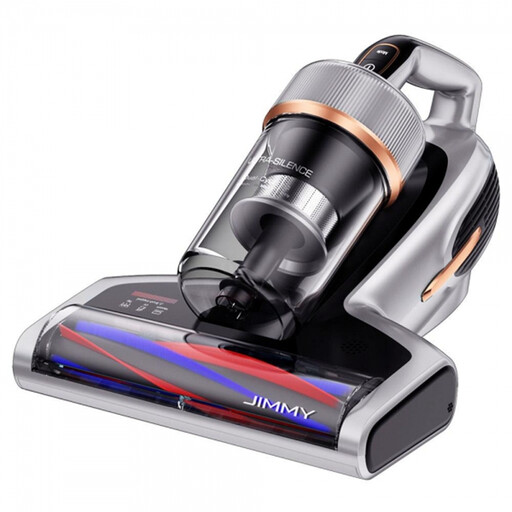
Why it's a good fit: For anyone who wants maximum cleaning performance and smart features to monitor the cleaning progress. It's especially suitable for households with severe allergy sufferers or those who demand the highest level of hygiene.
It counters the "misleading performance" trap with a powerful 700W motor, a patented composite brush roll for deep cleaning, and an intelligent dust sensor that indicates the level of contamination. The patented dual-cyclone filtration system ensures consistently high suction power.
The intelligent dust mite sensor provides visual feedback (red/green) to show when an area is clean. The additional ultrasonic technology is designed to disrupt the long-term reproduction of mites.
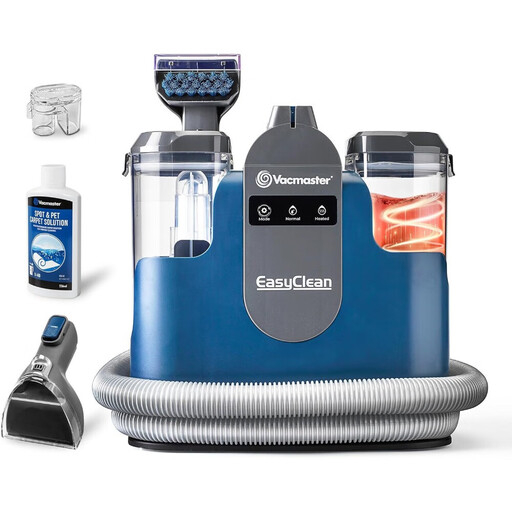
Why it's a good fit: This device is not a mite vacuum, but a spot cleaner. It's the right choice if your main problem is visible stains on sofas, car seats, or carpets, such as those from spilled drinks or pets.
It avoids the trap of buying the wrong tool for the job. While a mite vacuum is ineffective on stains, this upholstery cleaner specifically targets dirt with water and a cleaning solution, then immediately vacuums the liquid back up.
The switchable heating function warms the water, enhancing its cleaning power on stubborn stains. The dual-tank system separates clean and dirty water for hygienic cleaning.
We have compiled a complete, up-to-date list of products that fully meet these strict selection criteria and safety standards.
For individuals with a diagnosed dust mite allergy, weekly use during the first few months can be beneficial to significantly reduce the allergen load. For general hygiene maintenance, using it once every two to four weeks is typically sufficient.
No, they are two different types of devices for different tasks. A mite vacuum cleaner is a specialised tool for the deep cleaning of textiles like mattresses, upholstered furniture, and pillows. A conventional vacuum cleaner is designed for cleaning floors and other surfaces and usually does not have the necessary tapping function or UV lamp.
A mite vacuum cleaner works dry. It uses a combination of tapping, suction, and often UV light or hot air to remove mites and allergens from textiles. A spot cleaner, also known as an upholstery cleaner, works wet. It sprays a water-and-detergent solution onto the surface to dissolve stains and then vacuums up the dirty liquid. It is intended for stain removal, not primarily for allergen reduction.